Explore the best places
Heritage in Portugal


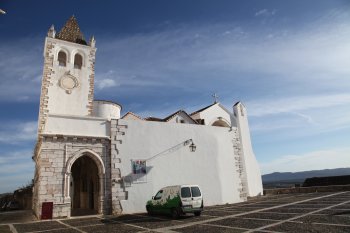
Igrejas das Domínicas
- heritage
Largo de Santa Clara, 3-C
7350, Elvas
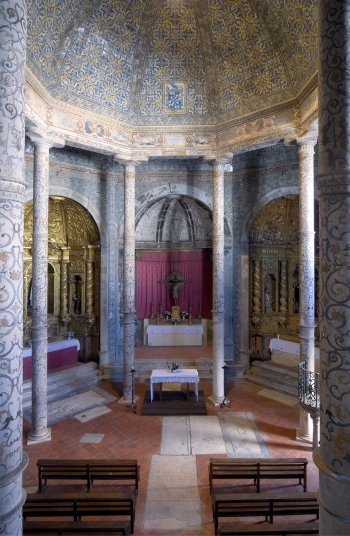
Built in the 16th century, the temple underwent modifications in the 17th century. The main Renaissance portico has a round arch and is framed by two pilasters. Of note is the complete polychrome tile covering from 1659.
Forte de Nossa Senhora da Graça ou de Lippe
- heritage
Monte Senhora da Graça
7350-410, Alcáçova
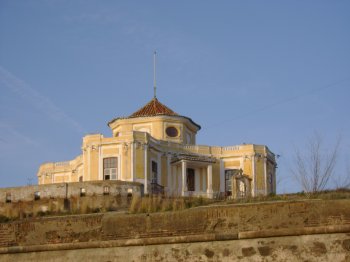
An example of 18th-century European military architecture, built by King José I on the site of a former fort. This bastioned fort sits on an impressive rocky hill. Its wide spaces, interplay of lines and volumes lend it power and military effectiveness. Its distinctive feature is the Governor's residence, an unusual building within the fort's architectural context. It is also known as Lippe Fortress, named after the architect who proposed its construction. Inside, there is a chapel honoring Our Lady of Grace.
Castelo de Barbacena
- heritage
Largo do Castelo
7350-431, Barbacena
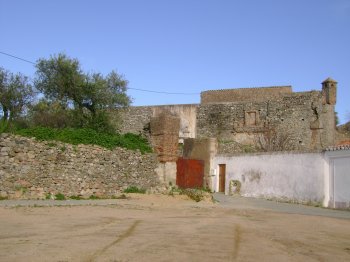
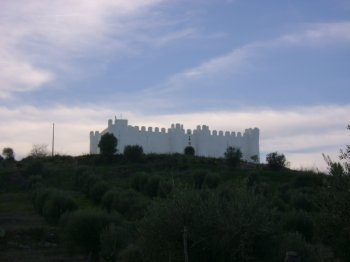
Built in the 16th century and rebuilt in the 17th century, this quadrangular castle retains only the original walls and low turrets. It features a carved stone portal, forming a pediment with two spires and a crown. The courtyard has a central cistern without water, two abandoned cannons, and buildings all around.
Castelo de Fontalva
- heritage
EN243-1
7350-431, Santa Eulália
The castle, as we know it today, is a modern renovation of fortifications that, according to archaeological studies, date back to the Castro culture. Of the original design, only the quadrangular wall remains, protected at the corners by turrets. During the reign of King João III, it was converted into a sunny, castellated residence.
Igreja de São Pedro
- heritage
Rua de São Pedro
7350-027, Elvas
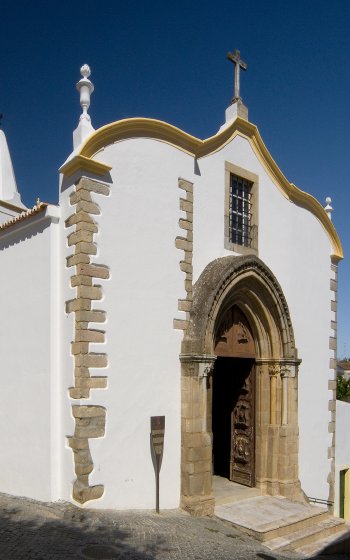
From the original 12th-century construction, only the Romanesque-Gothic granite portico, flanked by small columns, remains. It underwent profound alterations in the 17th, 18th, and 19th centuries. The 18th-century façade is wide and low. The bell tower features four eyelets, two crevices, and a conical dome. The interior, with its three naves, is notable for the dome, which represents the chancel, with its lantern.
Porta dos Currais
- heritage
Rua 1º de Maio
7100-515, Estremoz
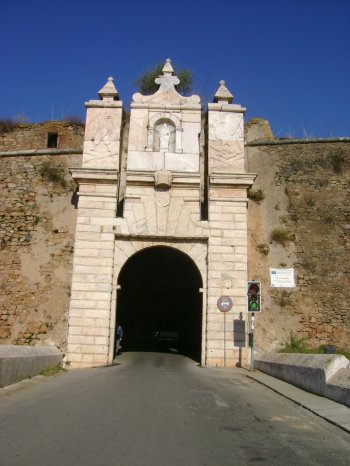
It's one of the gates that gives access to the city, built of white marble. At the top, you can see a niche with a saint, flanked by two towers.
Vila Medieval de Évora Monte
- heritage
Rua de Santa Maria
7100-314, Estremoz
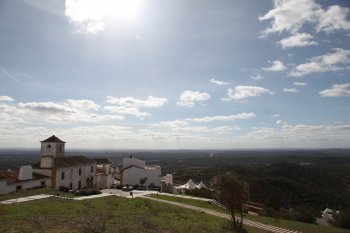
The name of this village derives from its location, a 500-meter-high hill, where the castle was built at the summit. The views from this place are magnificent.
Edifício do Águia D'Ouro
- heritage
Rossio Marquês de Pombal, 27-29
7100-513, Estremoz
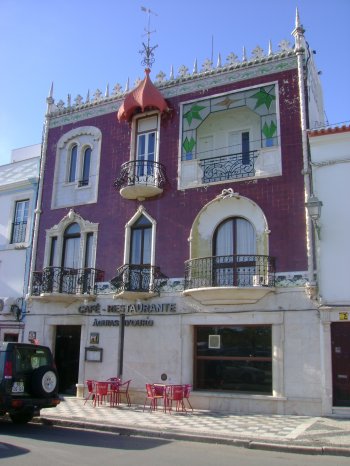
An eclectic and eccentric building, as evidenced by the use of various colors, geometric shapes, and materials, highlighting the building's late Art Nouveau style. Currently serving as a café and restaurant, it is one of the region's best-known venues.
Centro Ciência Viva de Estremoz
- heritage
Convento das Maltezas
7100-513, Estremoz
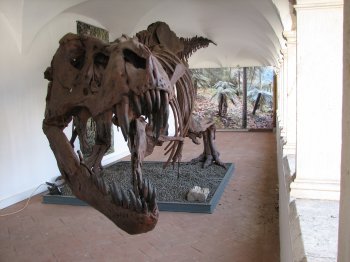
At the Centro Ciência Viva de Estremoz, visitors can discover how planet Earth works. Here, science and technology break through the confining laboratory walls, reaching out to visitors, allowing them to interact with the exhibits.
Igreja de Santa Maria
- heritage
Largo Dom Dinis, 14
7100-509, Estremoz
This is a fifteen hundreds temple, placed next to the Castle. It is considered one of the most important religious works on the Renaissance final phase in the Alentejo area. Its filling includes the tombstones with the most remarkable Portuguese families’ Coat of Arms. The project is accredited to Miguel de Arruda.