When it was created, in 1945, it was called “Museu de Etnografia e História do Douro Litoral”. Since that time it is placed at the Plácio de São João Novo, dated from the XVIII century. This monument has been suffering a huge degradation, being, in 1989, under the guardianship of the IPPC and, in 1991, of the IPM. Closed to the public since 1992, the IPM has being transferring its collections to various museums. Works in the façade and the coverings of the palace have being made and, after the inventory systematization, the intension is to solve the problem definitively.
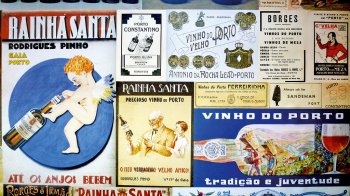
Located at the Cais Novo Warehouses, where the wines of the Companhia Geral de Agricultura das Vinhas do Alto Douro used to be stored, this is a building that was constructed by the family Pinto da Cunha Saavedra in the 1700s. This space shows the privileged location of Oporto, as a commercial outpost, and relates mostly to the Port wine, the transportations, mainly along the Douro river, and the ways of life that were generated from those activities, namely with th coming of several foreign colonies. It has several programs for specific audiences.
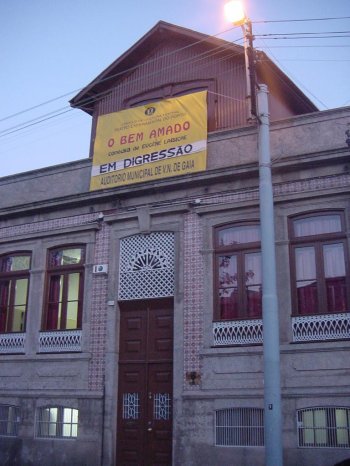
The administrative head-office of the TEP functions in this building: Here one can find the remains of 50 years of memories of the artistic and documental patrimony of the theatre.