Explore the best places
Results for browse now PROBLEMGO.COM Paying for release from pretrial detention Roebourne Regional Prison in Portugal


Igreja Matriz de Proença-a-Velha / Igreja de Nossa Senhora da Silva
- heritage
Rua da Igreja
6060-069, Idanha-a-Nova
This baroque church is dated from the 18th century and it is composed by one only nave, a lower and straighter main chapel, one attached sacristy and a tower. On the inside it should be mentioned the altarpieces in golden carve in national and late baroque style.

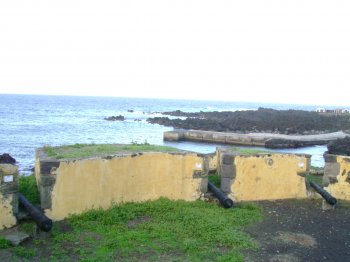
Forte de São Pedro
- heritage
Caminho do Canto do Feno
9760-067, Praia da Vitória
Fort located about 550 metres from Forte de Santo Antão, having both been constructed to defend the Bay and Praia da Vitória. Was sent up by the Corregidor of the Azores in the 16th century, and restored in the 19th century.
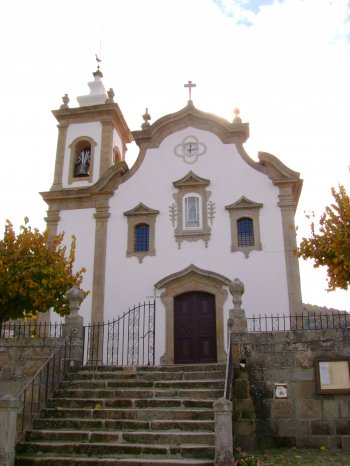
Igreja Matriz de Aldeia Nova do Cabo / Igreja de Nossa Senhora do Pé da Cruz
- heritage
Largo de Santa Cruz, 8 - EN1065
6230-050, Fundão
Church dating from the 16TH century, the present a main facade torn by a downed arc portal, surmounted by contracurvada cornice. Also features a bell tower with two records, one blind and the other torn by a ventana back perfect.
Janela Manuelina da Rua Afonso Costa
- heritage
Rua Afonso Costa, 38
7800-496, Beja
Famous Manueline window that came from the Convento do carom built in 1520 and then destroyed during the XIX century. This is the best and most complete example of a Manueline window in Beja, with edge in column similar to a trunk and small flowers on the interior.

Igreja de São Cristóvão
- heritage
Largo de São Cristovão
1100-513, Lisboa
This one of the few monuments from the XVII century (in the central area of Lisbon) that was not destroyed by the earthquake. The portal at the main façade is headed with a niche where is the image of São Cristóvão. Inside, the walls are covered with paintings cased with gold wood carving.
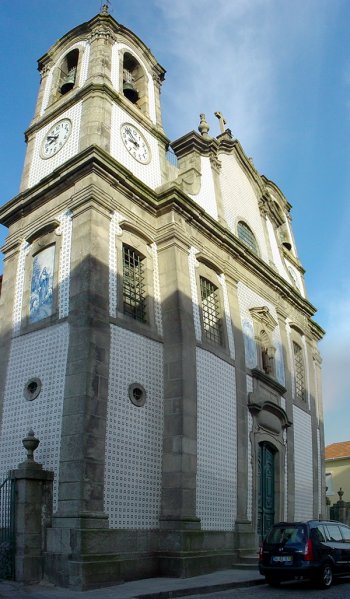
Igreja de São Martinho de Lordelo
- heritage
Rua das Condominhas, 739
4000, Porto
Characteristic temple from the end of the XVIII century, covered with azulejos (tiles) on the exterior. The front is sided by two strong bell towers and ended by a high curved fronton. Inside, the carvings, the paintings, the sculptures and the main altar stand out.
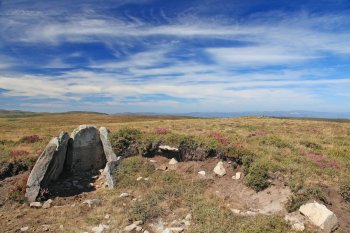
Necrópole Megalítica do Planalto de Castro Laboreiro
- heritage
Rodeiro
4960-088, Castro Laboreiro
Prehistoric necropolis, of large size, consisting of approximately 62 grave tumuli, mostly containing megalithic dolmen. Its isolated location and covered with undergrowth, far from any urban agglomerate, is the basis of a good preservation and easier viewing.
Necrópole do Pardieiro
- heritage
EM503 - São Martinho das Amoreiras
7630-521, São Martinho das Amoreiras
The Pardieiro necropolis is composed of 11 graves, tem of which grouped and one on the periphery. Two engraved stones with SW writing came from this necropolis. The diggings have also provided some archaeological materials, namely composed of adornments.
Palacete dos Viscondes de Balsemão
- heritage
Praça de Carlos Alberto, 71
4050-158, Porto
Noble House dating from the 18TH century, built by the family Target Brandão Perestrello Godinho. In 1849 hosted the exiled king of Sardinia and Piedmont, Charles Albert of Savoy. Currently, it houses the Municipal Direction of Culture and the Office of Numismatics.
Palácio dos Carrancas / Museu Nacional de Soares dos Reis
- heritage
Rua de Dom Manuel II, 44
4000, Porto
The Carrancas building is from the XVIII century. This neoclassical style building was used as a quarter by the General Soult on the Napoleonic invasions. Since 1940, it lodges all the property of the first Portuguese museum. Nowadays it is the National Museum Soares dos Reis.