Explore the best places
Heritage in Portugal


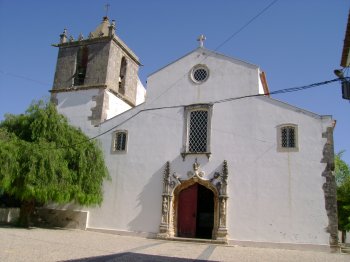
Igreja Matriz de Arruda dos Vinhos / Igreja de Nossa Senhora da Salvação
- heritage
Rua 5 de Outubro, 51
2630-113, Arruda dos Vinhos
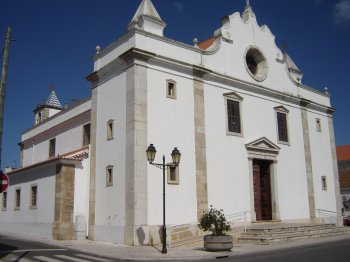
The church was rebuilt in the 16th century, but today it retains little of its original design. On the main façade, the Manueline portal, framed by pilasters with Renaissance decorative elements, and the 16th-century bell tower stand out. Inside, the 18th-century tile cladding, the Baroque carved altarpiece, and the 16th-century paintings of an old altarpiece deserve special attention.
Casa-Museu Irene Lisboa
- heritage
Rua 5 de Outubro, 17
2630-014, Arranhó
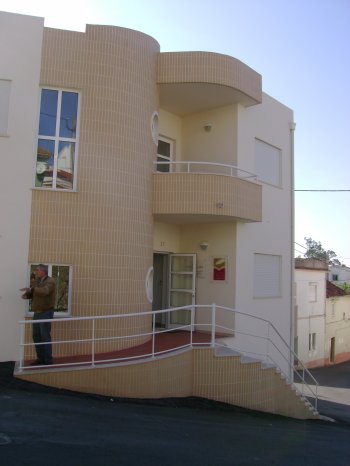
A museum created in 1999 to honor writer Irene Lisboa. Inside is the "Irene Lisboa, O Pouco e o Muito" collection, where you can observe details of her life.
Chafariz Pombalino de Arruda dos Vinhos
- heritage
Largo Miguel Bombarda - EN248
2630, Arruda dos Vinhos
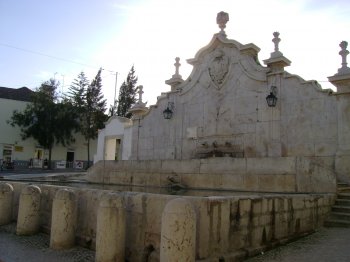
Backed fountain, dating from 1789, consisting of a staircase leading to the tank and a backed stonework counter curved at the top.
Ponte Ferroviária Rainha Dona Amélia
- heritage
Muge
2125, Muge
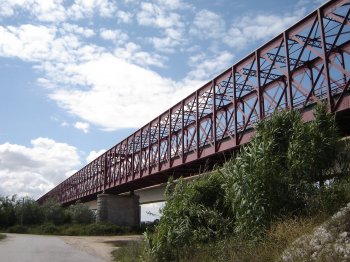
King Carlos I entrusted this project to Frenchman Gustave Eiffel, the famous architect of the Eiffel Tower, and it connects the two banks of the Tagus River, connecting the municipalities of Cartaxo and Salvaterra de Magos. The bridge, inaugurated in 1904, is 840 meters long and only five meters wide. It was closed to rail traffic in 2001. It was later remodeled to accommodate light vehicles.
Ponte Romana do Cais da Vala
- heritage
Rua do Tejo
2120, Salvaterra de Magos
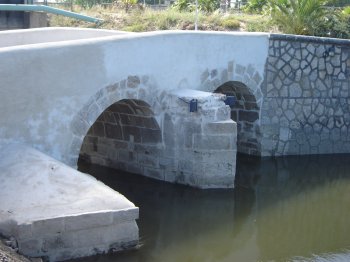
The bridge is located on the watercourse that comes from Paul de Magos and flows into the Tagus River.
Ponte Romana de Muge
- heritage
Muge
2125, Muge
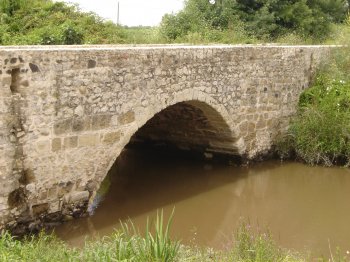
Roman and medieval bridge crossing the Muge River. The deck is supported by three unequal, round arches.
Praça de Touros de Salvaterra de Magos
- heritage
Avenida Doutor Roberto Ferreira Fonseca
2120, Salvaterra de Magos
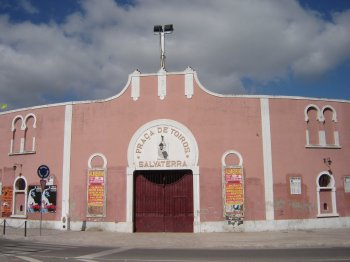
Opened on August 1, 1920, the circular building has 3,992 seats.
Igreja Paroquial de São Paulo / Igreja Matriz de Salvaterra de Magos
- heritage
Rua Luís de Camões, 39
2120, Salvaterra de Magos
This church is located in the main square of Salvaterra de Magos, with construction beginning in 1296 and undergoing several subsequent renovations. In the former sacristy, one of the tile panels bears a cartouche with the date 1725. Inside, one of the naves has a false wooden vaulted ceiling with a painting depicting its patron saint, Saint Paul, rising to heaven, guarded by a group of angels.
Falcoaria do Antigo Paço Real de Salvaterra de Magos
- heritage
Avenida José Luís Brito Seabra, 3
2120-051, Salvaterra de Magos
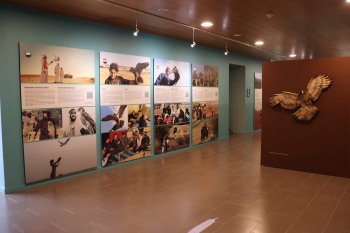
The chapel and falconry are the only remaining elements of the former Royal Palace, where the royal family would travel, especially during hunting season. The falconry, unique in Portugal, is a building with approximately 305 niches for the protection of the birds used in falcon training.
Palácio da Casa Cadaval
- heritage
Rua Vasco da Gama
2125, Muge
Also known as the Palace of the Dukes of Cadaval, this building has undergone several expansion works and has a chapel dedicated to Our Lady of Glory.