Explore the best places
Heritage in Portugal


Mosteiro de São Miguel de Refojos de Basto / Câmara Municipal de Cabeceiras de Basto
- heritage
Praça da República, 19
4860-355, Cabeceiras de Basto
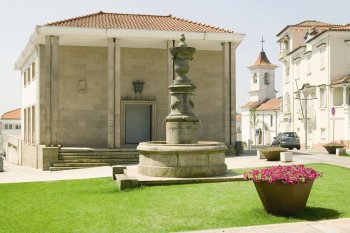
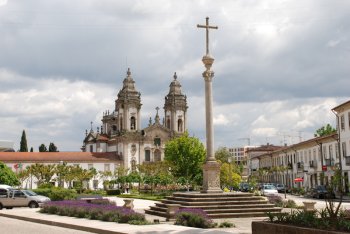
The first document relating to the Monastery dates from 1122. The church's facade is distinguished by its enormous dimensions; on the right and left sides are placed life-size statues of the founder of the Order of Saint Benedict / Saint Benedict of Nursia, and of Saint Scholastica.
Ponte de Cavez
- heritage
EN206
4860-152, Cavez
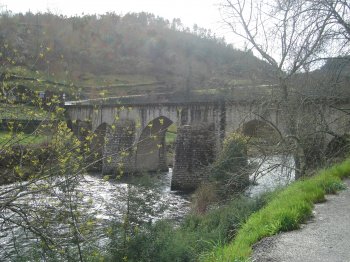
The Cavez Bridge, in medieval style, spans the Tâmega River and has four slightly pointed arches made of granite, three of which feature cutwaters.
Igreja Matriz de Alvadia / Igreja de Santa Cruz
- heritage
Rua da Igreja
4870-011, Igreja
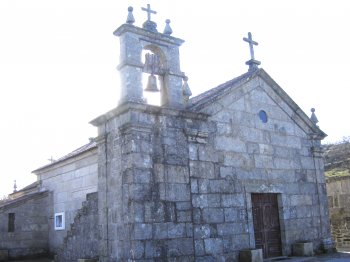
A church of Mannerist architecture with a nave and chancel. Inside, it features a high choir, holy water fonts, moldings flanking the portals, a baptistery with a semicircular arch on the Gospel side, a niche with a semicircular arch on the opposite side, with late Baroque carved side altarpieces and a revivalist carved main altarpiece.
Estação de Arte Rupestre de Lamelas
- heritage
Lamelas
4870-106, Lamelas
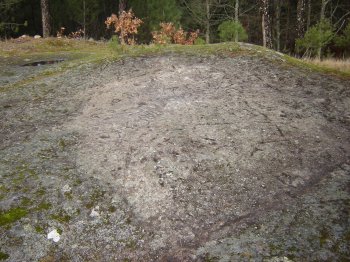
The site consists of a large granite outcrop whose upper part is covered with rock carvings, specifically simple and complex geometric figures such as concentric circles, lines, "reticulations," and pecking. A semi-excavated, oval-shaped pit is also noteworthy at the eastern end of the carved block.
Roteiro Camiliano
- heritage
Ribeira de Pena
4870-159, Ribeira de Pena
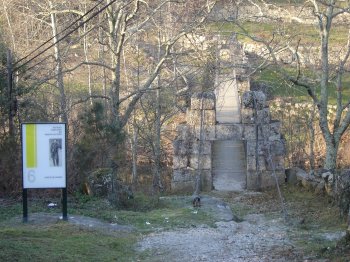
A cultural itinerary encompassing locations visited by the writer Camilo Castelo Branco in Ribeira de Pena or mentioned by him in his literary works. There are seven: the Ponte de Cavês (mentioned in the short story "Como ela o amava" and the play "O Lobisomem"), the village of Friúme (where the writer lived between 1840 and 1842), the Parish Church of Salvador (where he married Joaquina Pereira de França at the age of 16 in 1841), the Chapel of Our Lady of Guia (mentioned in the work "Doze Casamentos Felizes"), the Chapel of Granja Velha (where the writer learned from …
Ponte de Arame
- heritage
Rua da Veiga
4870-253, Santo Aleixo de Além-Tâmega
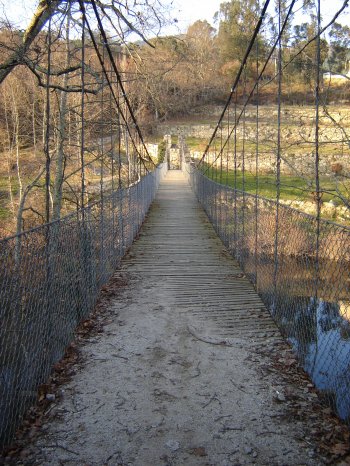
The construction of this bridge dates from 1913, with the goal of establishing communication between the parishes of Salvador and de Santo Aleixo de Além-Tâmega. The bridge is suspended by wires twisted about themselves, more than a hundred over almost 20 meters, which rely on granite pillars on each side of the bridge. The wooden walkway has 1.5 meters wide, and forms the basis of the side walls of the structure, also on wire rope. The story goes that the idea for this construction was priest Álvaro Pimenta, deprived of cod for their Christmas dinner in the rigor of winter, …
Museu da Venda Nova
- heritage
Largo do Pelourinho, 1
4870-187, Ribeira de Pena
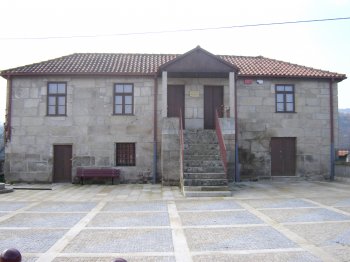
Housed in a building that once served as the Town Hall and Municipal Jail, but was destroyed by fire and restored for museum purposes, the Venda Nova Interpretation Centre aims to present monographic exhibitions that study and disseminate the heritage of the municipality, such as the Flax Cycle or the Coats of Arms of the municipality of Ribeira de Pena.
Museu do Calçado
- heritage
Rua Oliveira Júnior, 591
3700-204, São João da Madeira
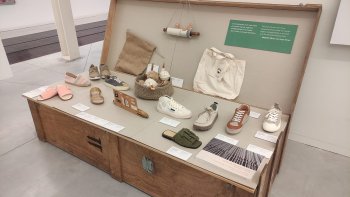
This museum portrays the history of the footwear industry in São João da Madeira and the reality of footwear design in Portugal in the 20th century, while also pointing towards the technological and creative vanguard of the 21st century.
Turismo Industrial de São João da Madeira
- heritage
Rua António José de Oliveira Júnior, 591 - Torre da Oliva
3700-204, São João da Madeira
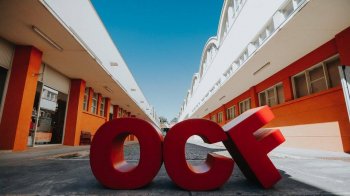
The “Industrial Heritage Circuits of São João da Madeira” allow visitors to see firsthand the restoration of the region's industrial heritage. For example, Viarco, the only operating pencil factory in the country, Helsar and Everest, from the footwear sector, Cortadoria Nacional de Pelo and Fepsa, from the hat industry, and Heliotêxtil, a trimmings factory, are some of the participating companies. The Welcome Center is located in the Torre da Oliva building.
Biblioteca Municipal Doutor Renato Araújo
- heritage
Rua Alão de Morais, 36
3700-021, São João da Madeira
With a considerable collection in all formats, this library, which has been in existence for about 50 years, is also a hub for cultural activities.