Explore the best places
Heritage in Portugal


Castelo de Silves
- heritage
Rua do Castelo
8300-112, Silves
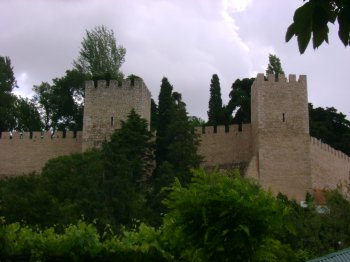
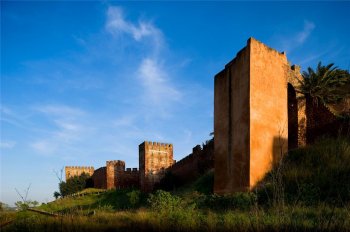
Silves Castle is the largest in the Algarve and one of the most notable works of military architecture bequeathed by the Arabs. The structure was composed of several elements: the citadel, the Almedina walls, the Curaçao, the Arrabalde walls, and several moats. The walls are shaped like an irregular polygon, consisting of eleven rectangular towers. The citadel is the most important area, where two cisterns from the original period and the well, called the Moorish Cisterna, can be seen. Archaeological excavations have uncovered a Muslim dwelling, called the "Palácio das Varandas," the residence of the city's lord. The mixture of …
Museu do Carro
- heritage
EN269 - Quinta dos Avós
8365-083, Algoz
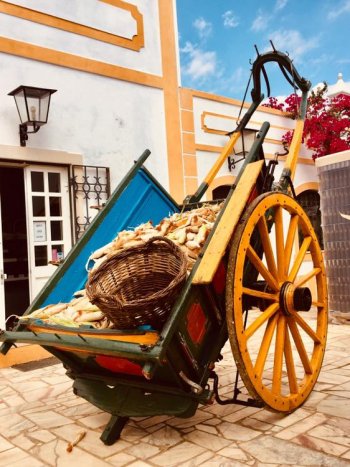
This museum displays a collection of animal-drawn vehicles, mostly from agricultural activities. It includes examples until the advent of the automobile. Also on display are examples of agricultural implements and harnesses.
Edifício do Mercado Coberto / Mercado do Peixe
- heritage
Rua Actriz Virgínia, 46
2350-549, Torres Novas
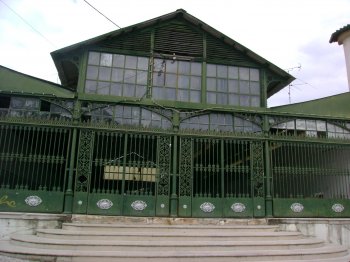
Built on the site of the former manor house of the Dukes of Aveiro, it was inaugurated on August 1, 1884. It features three staggered sections separated by supporting elements.
Nora do Largo do Lamego
- heritage
Largo do Lamego
2350, Torres Novas
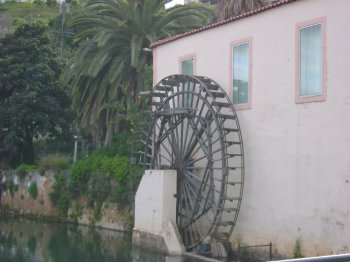
The Nora do Largo do Lamego is a device consisting of a wheel with small reservoirs, formerly used to draw water from wells or cisterns.
Painel de Azulejos Alusivo a Gil Pais
- heritage
Rua de Gil Pais
2350, Torres Novas
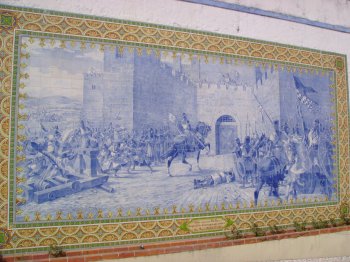
Large tile panel located in the main square of Torres Novas. Painted in 1938 by artist Jorge Colaço.
Casa Memorial Humberto Delgado
- heritage
Rua Engenheiro Jorge Marques de Oliveira, 19
2350-051, Torres Novas
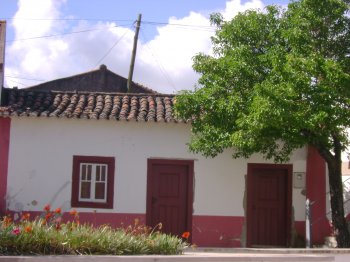
This 19th-century house features a main facade with two French doors and a window. This facade opens onto the large kitchen with a fireplace, also accessible through a side door, and a living room that connects to two bedrooms at the back. It was here that General Humberto Delgado was born in 1906.
Grutas de Lapas
- heritage
Largo das Catacumbas
2350, Torres Novas
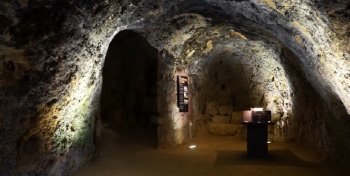
This is a set of artificial caves, initially opened for stone mining. Archaeological objects have been found here that may date back to the Neolithic period and into Roman times.
Igreja da Misericórdia de Torres Novas
- heritage
Largo General Baracho
2350-757, Torres Novas
Of the original temple, which underwent modifications in the 17th and 18th centuries, only a Manueline door and a transept remain. The side portico, dating from 1670, is flanked by four Ionic columns. Worthy of note are the tilework, carvings, 17th-century paintings, coffered ceilings, 17th-century paintings, and the 18th-century nativity scene.
Ruínas Romanas de Vila Cardílio
- heritage
Rua Cardílium
2350, Torres Novas
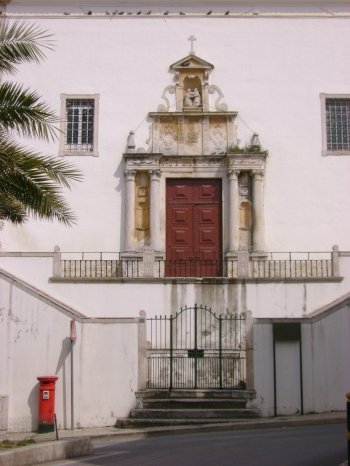
Among the remains of this Roman villa, a mosaic featuring the effigies and names of two of its owners, Cardílio and Avita, stands out. Its occupation is believed to have been between the 1st and 4th centuries AD.
Castelo de Torres Novas
- heritage
Rua General António César de Vasconcelos Correia
2350-421, Torres Novas
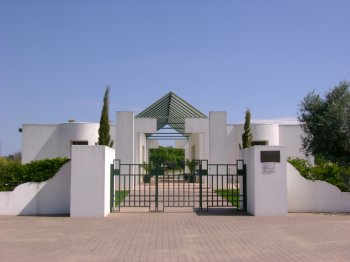
The castle was built during the reign of Dom Sancho I, on the ruins of an older fortification. During Dom Fernando's reign, it underwent restoration work and, in 1755, suffered extensive damage in an earthquake. Later, French invaders left the castle in a state of great degradation, which led to its complete abandonment. Today, it preserves some 14th-century towers, including the keep. The castle grounds have been transformed into a garden and are a pleasant place for leisure.