Explore the best places
Heritage in Portugal


Igreja Paroquial de Santa Susana de Mombeja
- heritage
Largo da Igreja
7800-641, Mombeja
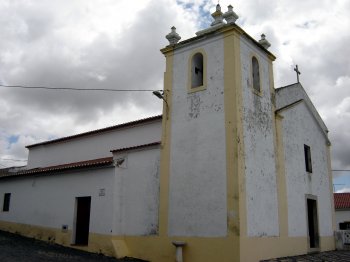
Worthy of notice are the masonry work portal surpassed by a rectangular window and bell tower, a characteristic of the Baixo alentejo baroque.
Calvário de Meixedo
- heritage
CM1006
5470-173, Montalegre
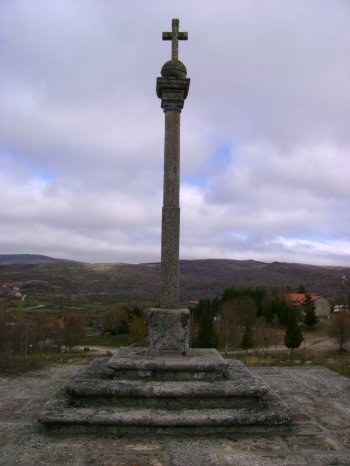
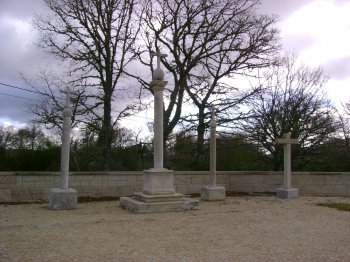
Set of seven stone crosses, located behind the Church, being the larger Center. Displays the date of 1720.
Igreja Paroquial de Santa Vitória
- heritage
Santa Vitória
7800-732, Santa Vitória
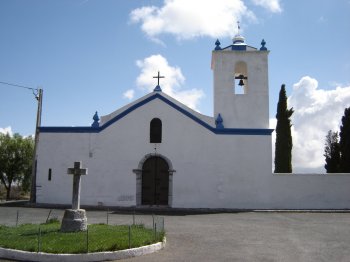
Parish church of Santa Vitória.
Igreja Paroquial de São Matias
- heritage
Largo da Igreja
7800-751, São Matias
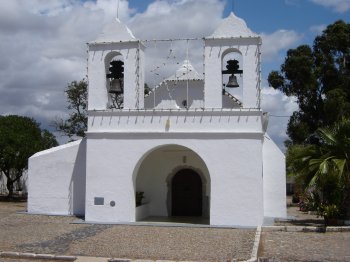
The oil paintings at the lateral chapels, the mannerist retable at the main altar and the two bell towers stand out.
Igreja Matriz de Santa Bárbara de Padrões
- heritage
Rua da Igreja
7780-457, Castro Verde
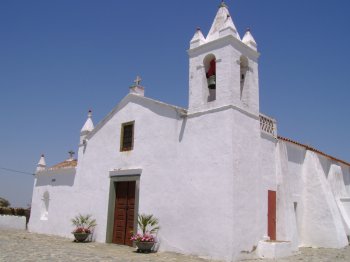
Mannerist temple built between the 16th and 19th centuries, settling on the remains of a small town whose name would be Arannis, a Roman agglomeration in the 5th or 6th centuries CE. Presents a longitudinal plan consists of a nave, a chancel and adossadas, the chapel of San Miguel, the baptistery, two storage rooms and the sacristy. Inside, it has a perfect round triumphal arch, flanked by pilasters based altars with polychrome and gilded carved altarpieces.
Povoado de Corucho/ Coroa do Coto
- heritage
Cambeses do Rio
5470-042, Cambeses do Rio
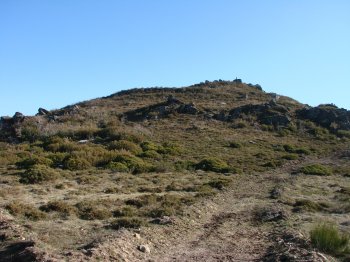
Fortified settlement of pre-Roman times located at 1175 metres maximum elevation North of the village of Friars and with reference to the GEODESIC mark of Friars. The sock is perfectly visible slope a line of walls that surrounds the mound and before a broad platform where possibly settled the constructions. On the upper deck, where the landmark GEODESIC, there is great concentration of stones, which the popular claim to have been brought there to build a chapel. Beyond the line of walls, do not identify other constructions, also due to the density of undergrowth.
Cruzes de Susana
- heritage
Azevedo
5470-011, Montalegre
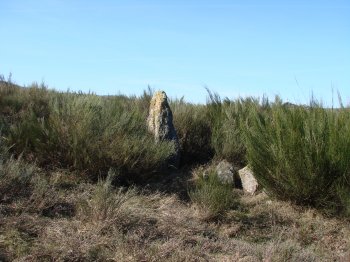
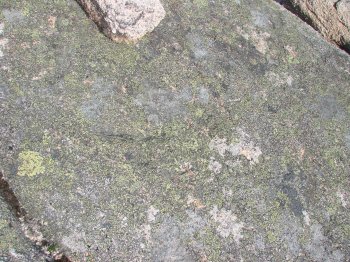
Set of two medium-sized granite outcrops, located next to a path built to remove wood. Every rock has recorded a small cross, being the first single and the second showing a triangular base.
Igreja Matriz de São Marcos da Ataboeira
- heritage
Largo 25 de Abril
7780-522, Castro Verde
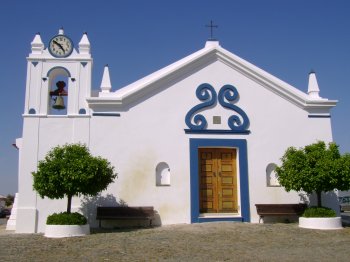
Mannerist and Baroque-style church, built in the mid-16th century. Presents a longitudinal plan consists of a nave and side chapels, and differentiated coverage on gable roof in the nave and dome and coated tile in the chancel. On the main facade, unique cloth set by pilasters, there is a stone of arms of the order of Santiago.
Mamoa 2 de Pereiro
- heritage
Cambeses do Rio
5470-041, Cambeses do Rio
This megalithic monument would integrate the set of at least three tumuli, along with the Tumulus 1 of Pereiro and the Tumulus of Arregada. Features about 8\/10 metres maximum diameter and a slight central depression, not being visible Struts. However, there are a few stones in the surrounding area of walls that may have been mainstays.