Mosteiro de Arouca
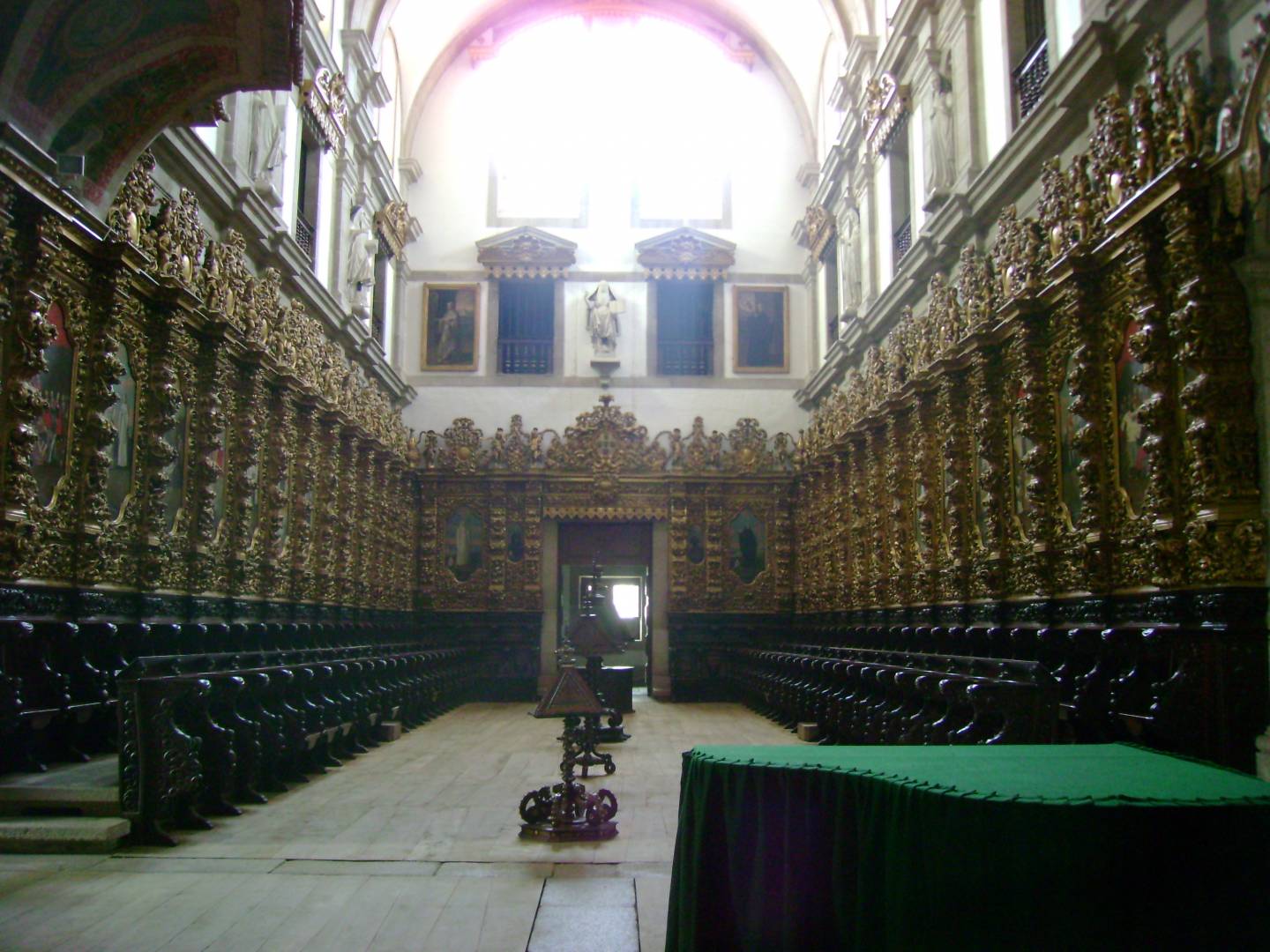
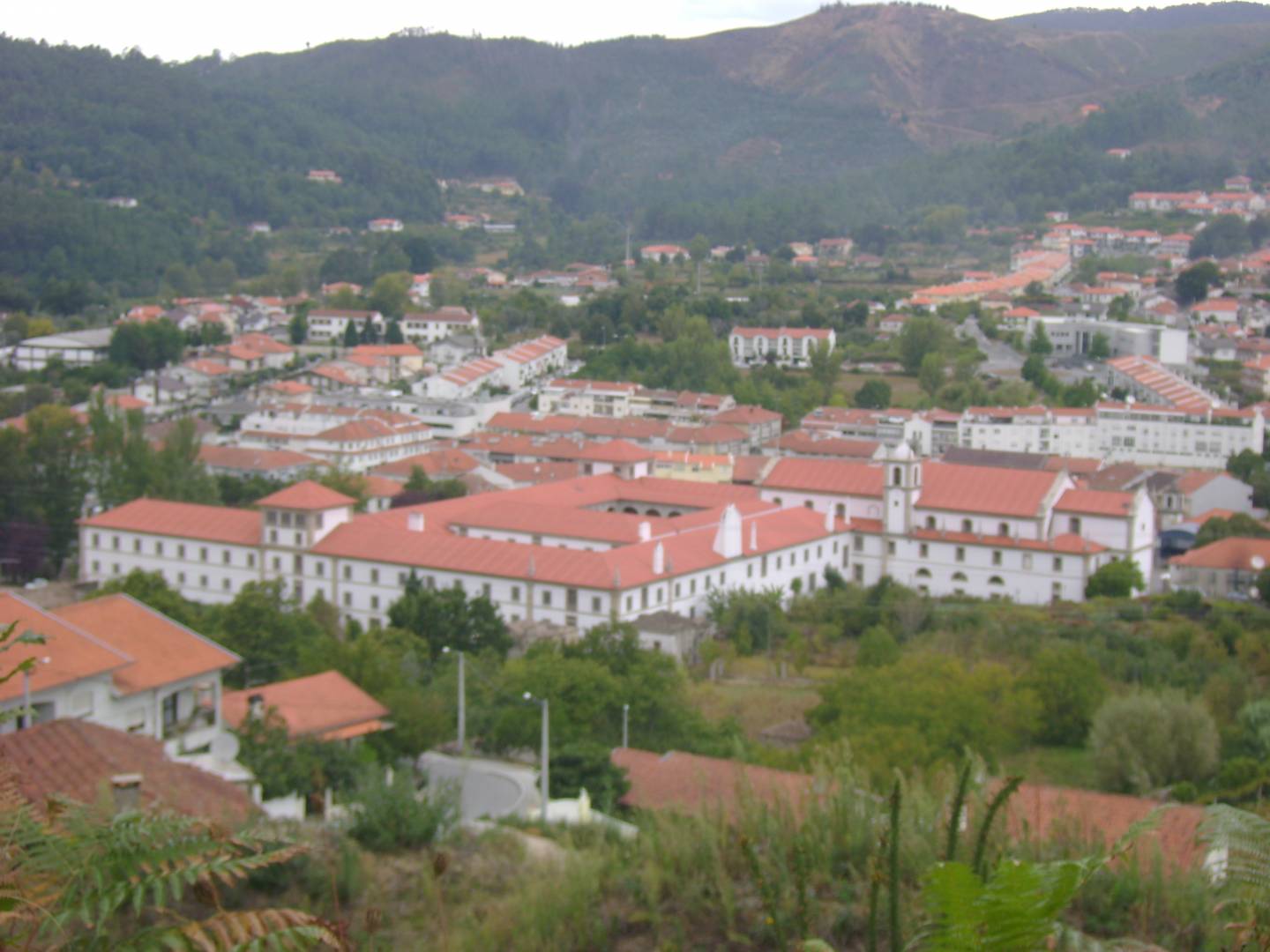
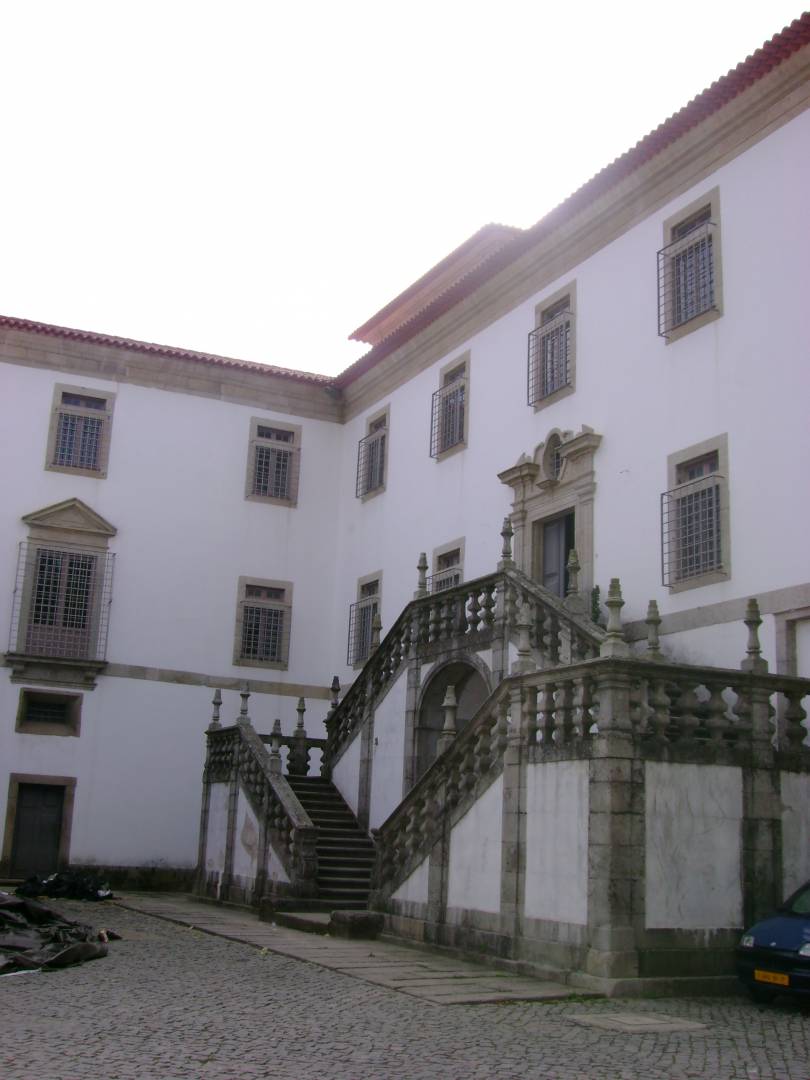

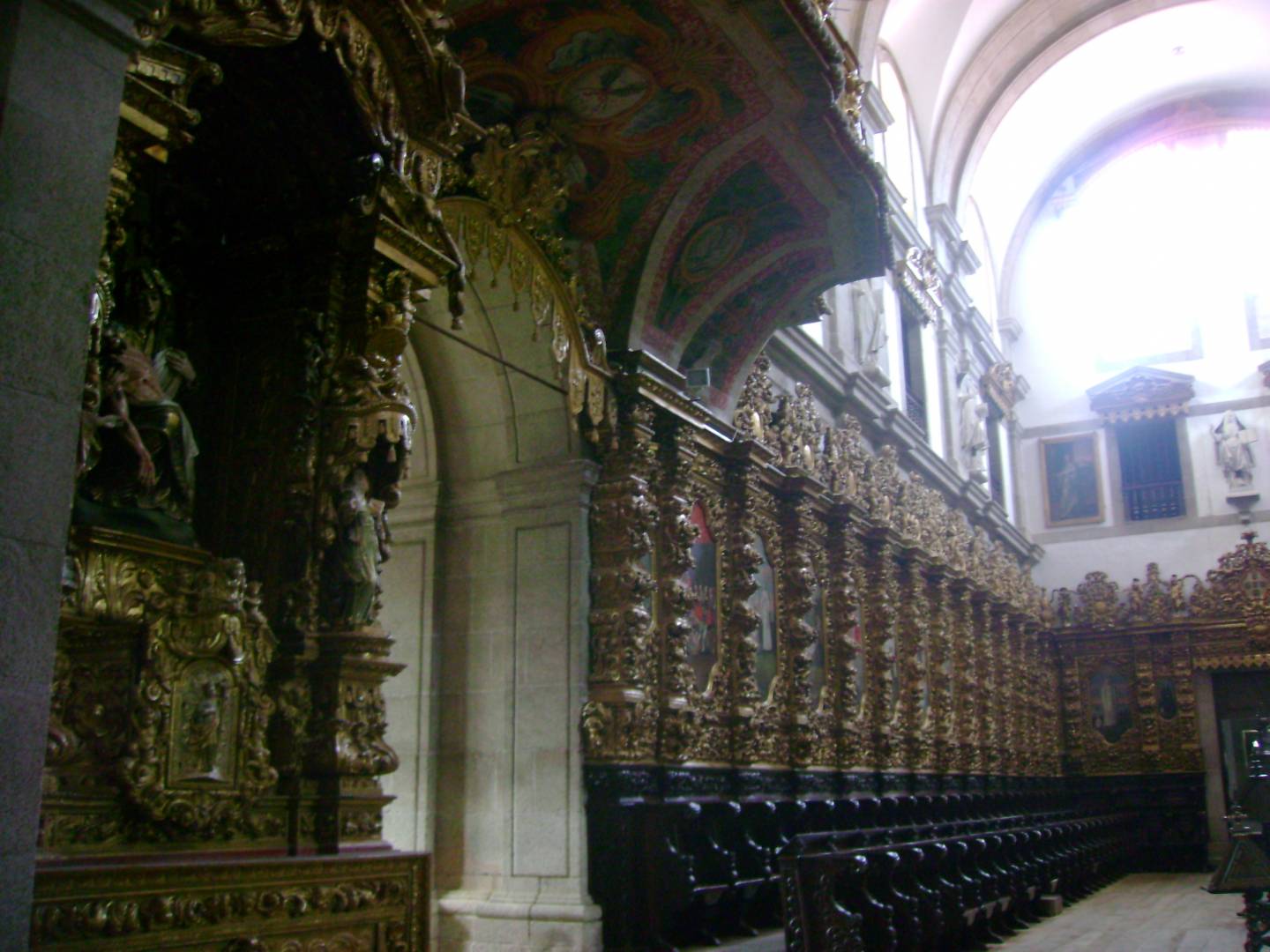
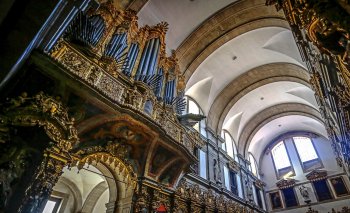
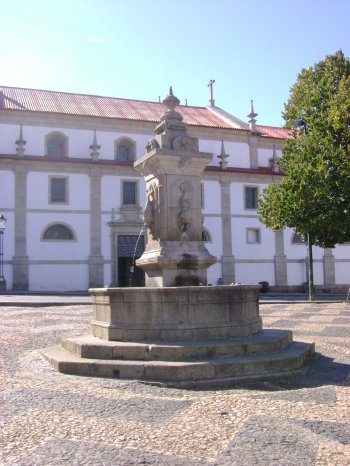
It began with a dual community – male and female – having become a female monastery and adopted the Rule of Saint Benedict at the end of the 11th century. The affiliation with the Cistercian Order, which occurred in the 13th century, is associated with the figure of Infanta D. Mafalda, daughter of D. Sancho I, who, in 1220, decided to incorporate the nuns into the new Order. Endowed with a vast patrimony, it became one of the most important Portuguese female monasteries. Retreating to the convent, D. Mafalda gained a reputation for holiness, to which the discovery of the incorrupt state of her body contributed, and she was beatified in the 18th century. The convent was definitively extinguished in 1886, with the death of the last abbess nun. The monastic buildings are integrated into the urban fabric of the town of Arouca and, although of medieval origin, reflect the great transformations that took place in the 18th century. Only the remains of a 14th-century rose window and a 10th-century inscription evoke its antiquity.
Contacts
Largo de Santa Mafalda
4540-108,Arouca
- tel:256943321256943321
- email: [email protected]
- website: https://www.rirsma.pt/pt/museu-de-arte-sacra/mosteiro-de-arouca.html
- 2.50€
- Easy external parking
- Convents & Monasteries
Characteristics
Monuments near Mosteiro de Arouca
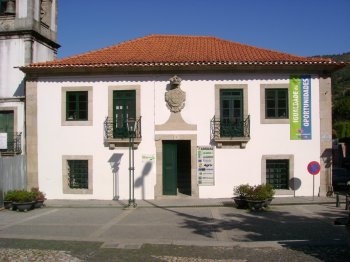
Antiga Casa da Câmara de Arouca
Cultural building with stone of arms and national coat of arms on the door of the main façade.
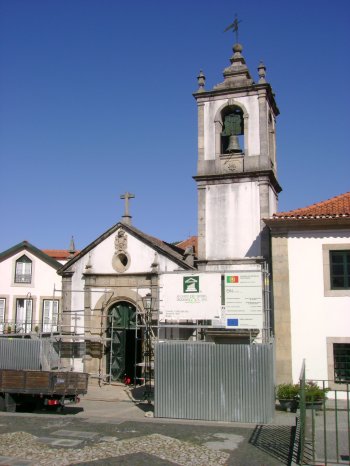
Capela da Santa Casa da Misericórdia de Arouca
Chapel built in 1612, very rich in its iconographic program, where Evangelists, Apostles, scenes of the Nativity, Life and Passion of Christ, among others, are…
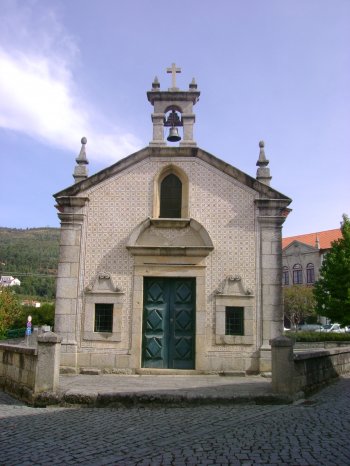
Capela de Santo António
Baroque temple with nave, chancel and triumphal arch. The internal coverings are wooden and the coffered ceiling.
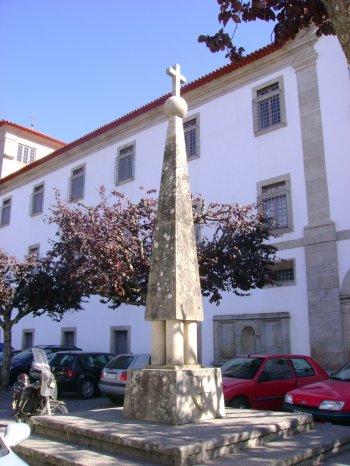
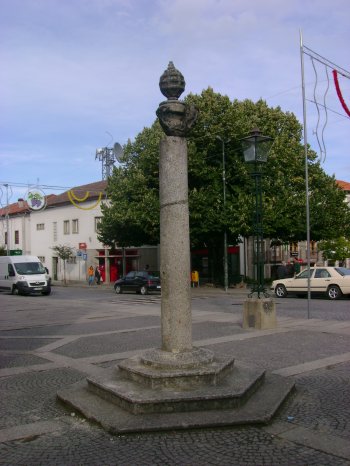
Pelourinho de Arouca
This pillory has fragments presenting a three steps platform, a circular base, the shaft is flat and cylindrical and the capital has two royal escutcheons and …