Explore the best places
Results for castelo in Portugal


Estação Romana Cerrado do Castelo
- heritage
Grândola
7570, Grândola
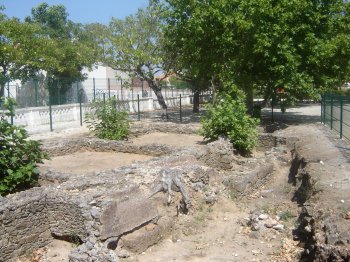
Roman thermae. Located in the precinct of Grândola's primary school.
Igreja Paroquial de Castelo Viegas
- heritage
Rua de Santo Estêvão
3040-713, Coimbra
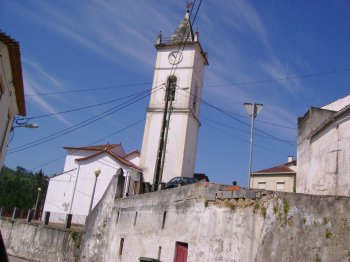
Cinquentist parish church with a single nave, lateral chapels and époque bays at the body and the sacristy. The figurative glazed tiles form the XVIII century and some architectonical and sculptural elements from the XVI century are worthy of notice.
Fonte do Monte da Senhora do Castelo
- heritage
Monte da Senhora do Castelo
3670, Monte da Senhora do Castelo
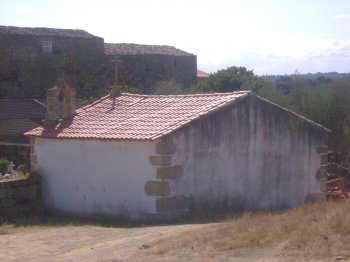
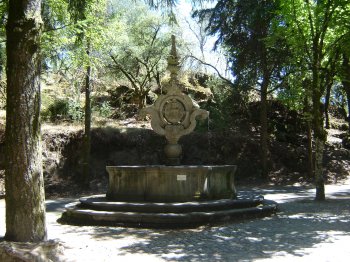
This source has two stone steps on hexagonal base, the Center has a figurehead of a tower with two water outlets.
Fortaleza de Abrantes / Castelo de Abrantes
- heritage
Rua Dom Francisco de Almeida
2200-242, Abrantes
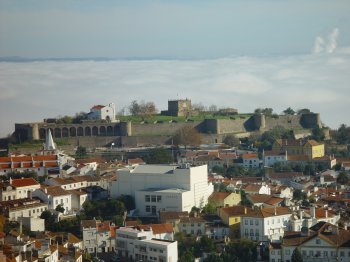
A castle situated on the right bank of the Tagus River, composed of medieval fortifications and bastions. This castle underwent profound reconstructions and changes throughout the centuries, notably in the 17th and 19th centuries. In the 17th century, King Afonso V, fearing an invasion from Spain, ordered the rebuilding of old fortifications. This fortress was considered the key to the defense of the Beiras region and played an important role during the French invasions. It retains the keep and some sections of the wall with round turrets. The vaulted spaces with tiles are particularly noteworthy. The Church of Santa Maria …
Forte ou Castelo de Santiago da Barra
- heritage
Rua de Santiago da Barra
4900-357, Viana do Castelo
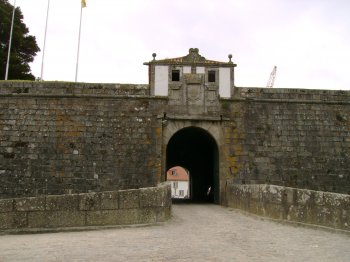
It is believed that this place has been inhabited since prehistoric times, as indicated by numerous findings. The first fortification would date from the reign of Dom Afonso III, although the most likely date is from the 15th century. During the reign of King João II and/or King Manuel I, the medieval castle and the Torre da Roqueta were rebuilt. In 1700 and 1799, during the reign of Philip II, it underwent further repairs and reconstructions. Attesting to these works, a rococo royal coat of arms stands out over one of the main doors.
Hospital Velho de Viana do Castelo
- heritage
Rua do Hospital Velho
4900-540, Viana do Castelo
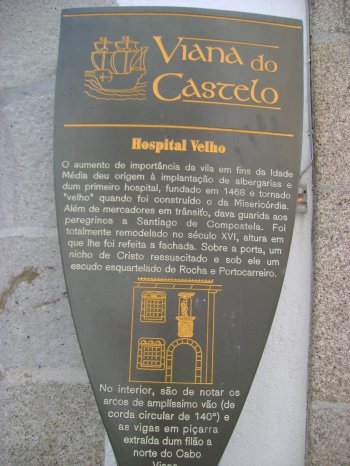
Manueline building built in the early 15th century and remodeled in the sixteenth and seventeenth century. Presents two storey rectangular plan with three roof water coverage. Initially, functioned as a hostel and, currently, are there some municipal services and the tourist office.
Cruzeiro do Calvário de Castelo Mendo
- heritage
Castelo Mendo
6355, Vilar Formoso
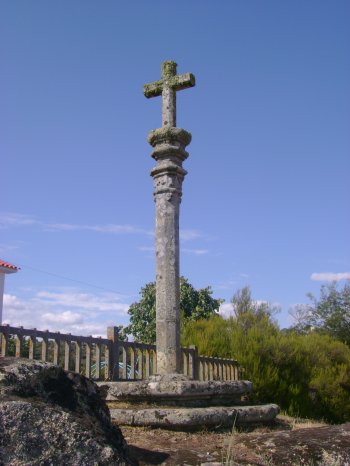
Cruise in granite, based on square base 2 steps. On the base of the hex column, surmounted by the cross featuring this type of buildings.
Cruzeiro do Monte da Senhora do Castelo
- heritage
Monte da Senhora do Castelo
3670, Monte da Senhora do Castelo
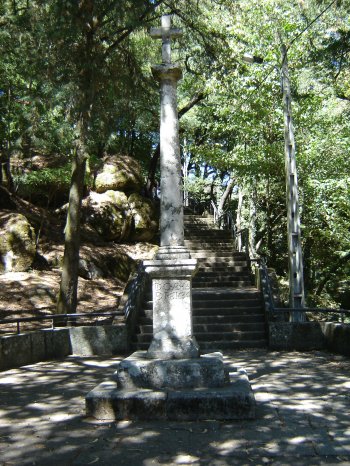
This cruise in stone has about five meters high and two steps at the base. Contains the inscription "1936", possibly the date of construction of the monument.
Edifício da Cadeia de Castelo de Paiva
- heritage
Largo do Conde de Castelo de Paiva
4550-102, Castelo de Paiva
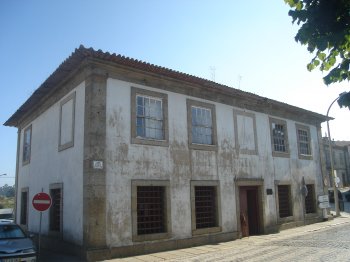
A house with a rectangular plan and two floors, construction attributed to the House of Bragança. The "Paços do Concelho", the Courthouse and the Municipal Administration were located here until the beginning of the 20th century. Later it had other functions, namely Jailhouse of the parish on the first floor that still has windows with iron bars. On the south façade, one can view two lateral flights of stairs that unite before the second floor with an entrance topped by the House of Bragança's coat of arms.