Explore the best places
Discover new places in Vila Nova de Foz Côa


Quinta do Vesúvio
- leisure
Lugar do Vesúvio
5155, Vila Nova de Foz Côa
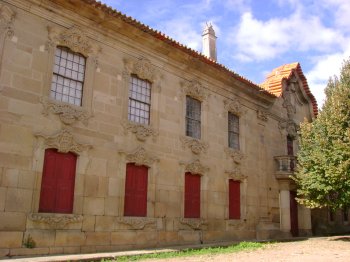
Quinta do Vesúvio is a true "living museum" of ancestral and artisanal practices in the production of Port wine, notably the foot treading in the large granite tanks in its cellar.
Quinta do Vale Meão
- leisure
Quinta do Vale Meão
5150-501, Vila Nova de Foz Côa
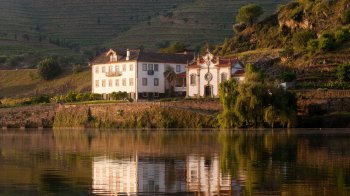
Acquired by Dona Antónia Adelaide Ferreira in 1877, this farm was a project conceived from scratch, created on previously uncultivated land. The vineyards cover more than 85 hectares of the property and are planted in soils of different geological nature: schist, granite and alluvial. This diversity, unusual in the Douro region, contributes to the complexity of its magnificent wines.
Barragem do Catapereiro
- beach
- country
Cedovim
5150, Cedovim
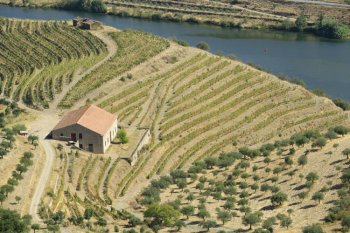
Gravity dam, intended for hydroelectric power generation, completed in 1999.
Miradouro do Santuário de Nossa Senhora do Viso
- country
- leisure
Custóias
5155, Cedovim
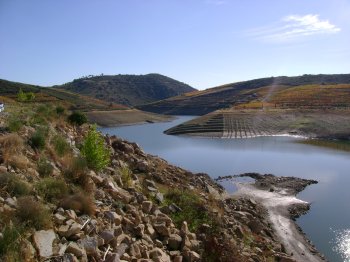
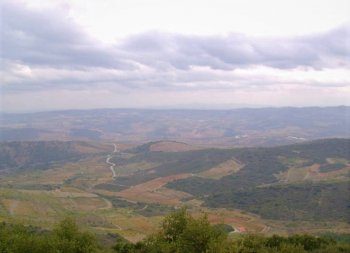
A space with privileged views over the lush green mountains surrounding the property.
Estação Arqueológica do Prazo
- heritage
Freixo de Numão
5155, Cedovim
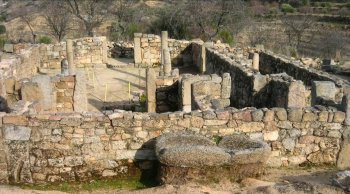
Archaeological ruins that comprise a complex array of structures reveal a multitude of occupations from the Neolithic period to the Middle Ages. Well-preserved remains of an early Christian temple, tombs containing bones from different eras, a large anthropomorphic stele, and an imposing menhir can be observed. The presence of a manor house and bathing area testifies to the importance of this Roman manor house.
Museu da Casa Grande
- heritage
Rua Direita
5155-246, Freixo de Numão
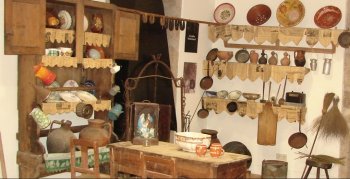
The Casa Grande museum displays collections of archaeology (from the Paleolithic to the Modern Age, with special emphasis on the Roman period), regional ethnography (agricultural tools and implements directly related to farming and objects related to breadmaking, shepherding, wine production, olive oil and almonds) and local history, through the collection of materials and documentation related to the history of the former municipal seat. It also has a section of the Casa do Moutinho.
Museu de Sítio de Ervamoira
- heritage
Quinta de Ervamoira Ramos Pinto
5150, Vila Nova de Foz Côa
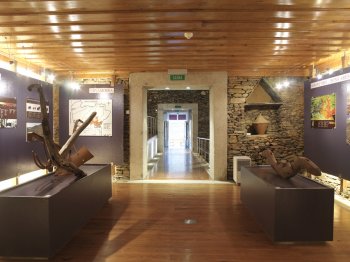
The Ervamoira Site Museum, inaugurated in 1997, is located on the Ervamoira Estate, in the heart of the Côa Valley Archaeological Park. A visit to the Ervamoira Museum will introduce you to the various areas linked to the history of the site and the Douro wine industry: Natural Heritage, Roman and Medieval Archaeological Heritage, Ethnographic Heritage, the history of Casa Ramos Pinto, the Estates and the Viticulture of the Upper Douro. Visits to the Farm and the Ervamoira Museum are organized by appointment and conducted by a guide.
Parque Arqueológico do Vale do Côa
- art
Avenida Gago Coutinho e Sacadura Cabral, 19
5150-610, Vila Nova de Foz Côa
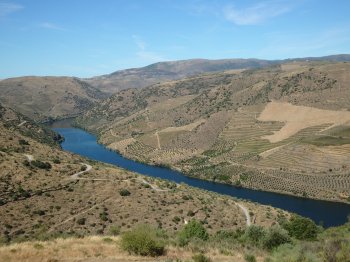
This is the largest open-air Paleolithic museum, where you can see a variety of rock engravings. The most important rock art sites are Canada do Inferno, Ribeira de Piscos, Penascosa, Quinta da Barca, Fariseu and Faia. It is listed as a National Monument and a World Heritage Site.
Museu do Côa
- heritage
Rua do Museu
5150-620, Vila Nova de Foz Côa
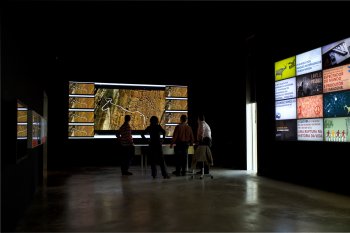
The Côa Museum is a cultural space designed to promote the historical and cultural heritage of the Côa Valley Archaeological Park. The building interacts strongly with the landscape, developing across four floors that include an auditorium, educational services, administrative area, shop, and exhibition rooms.
Casa de Almendra / Solar dos Viscondes do Banho
- heritage
Largo da Amoreira - EN332
5150-014, Vila Nova de Foz Côa
Built in the 18th century, this house is considered one of the finest examples of Baroque civil architecture. Constructed of granite, it features Rococo decoration concentrated in the windows and main door. This construction demonstrates elements of Douro Baroque architecture, influenced by Nicolau Nasoni. In the early 19th century, Napoleonic troops were stationed here, later setting fire to the building in 1810 before withdrawing. From 1895 onwards, it underwent partial reconstruction, initiated by the 3rd Viscount of Banho.