Explore the best places


Casa Nobre da Família Gil Borja de Meneses
- heritage
Praça da República
7220-374, Portel
This two-story building, dating back to the Joanine period, features a stately architecture dating back to the 18th century. The family crest adorns the main door. All the windows on the upper floor open onto a small balcony. Currently, it serves as a retirement home.

Castelo de Portel
- heritage
Rua dos Arcos - Praça Dom Nuno Álvares Pereira
7220-375, Portel
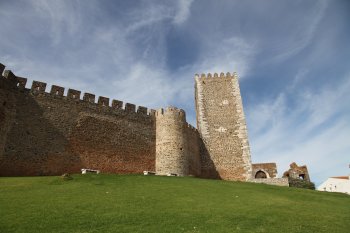
An important example of military architecture, this castle was built in the 13th century. It has the shape of an irregular octagon, and the keep, with rooms covered by Gothic vaults, is made of marble. Currently, the Palace of the Mayors and the Dukes of Braganza, and the Manueline-Mudejar chapel, remain. The residential buildings, barracks, and military warehouses in the Plaza de Armas are in ruins.
Amieira Marina
- beach
Marina da Amieira
7220-999, Portel
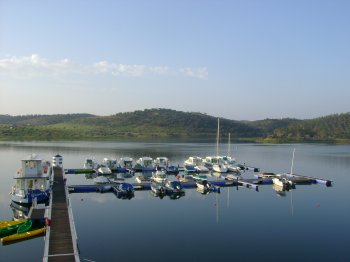
A place of great beauty where you can stroll, dive, fish, and enjoy other activities. Houseboats and boats can also be rented here by the day. There's a dock for cruise ships and private parking for boats.
Aldeia dos Pequeninos
- heritage
Travessa do Burralho, 2
7220, Portel
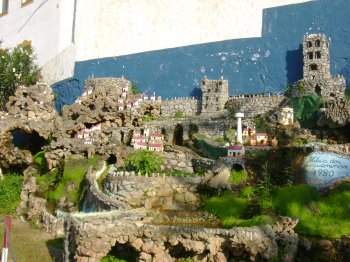
A small garden where you can see small artifacts of the village, such as the water tank, the village's cliff-side streets, the mill, the national flag, the April carnations, the streams and some waterfalls.
Igreja de Nossa Senhora da Lagoa
- heritage
Largo Dom Nuno Álvares Pereira
7200-175, Reguengos de Monsaraz
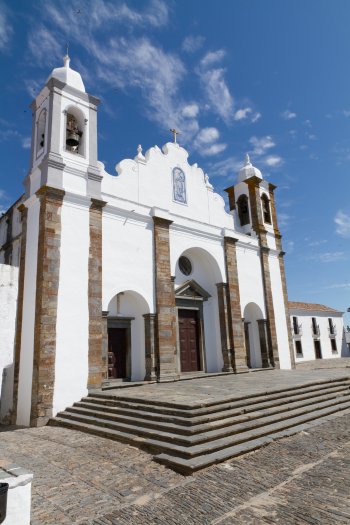
The 16th-century Parish Church of the Town of Monsaraz replaced the previous Gothic church, which had been contaminated by the plague. The marble tomb arch by Gomes Martins Silvestre, depicting a funeral procession of 17 people, is one of the most important monuments. In the center of the pediment, a tile panel depicts the Virgin of the Conception. The façade features two quadrangular towers and a false portico with three blind arches.
Mufla
- leisure
Rua Doutor José Garcia da Costa, 10
7200-139, Reguengos de Monsaraz
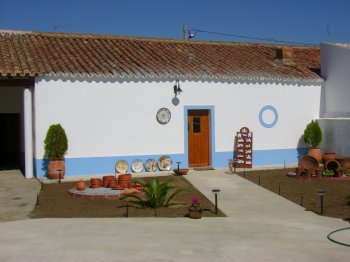
Mufla is a space dedicated to the production of utilitarian and decorative red clay ceramics. Operating since 1995, this shop continues to use the potter's wheel and hand-painting to produce a wide variety of handcrafted pieces that quickly become the finest in Alentejo ceramics.
Observatório Oficial Dark Sky Alqueva
- art
Rua da Nossa Senhora da Conceição, 44
7200-071, Reguengos de Monsaraz
The Official Dark Sky Observatory is located in Cumeada, Reguengos de Monsaraz, in a former elementary school. The space was converted and adapted to house the Official Dark Sky Alqueva Observatory. It features a permanent exhibition of astrophotography by astrophotographer Miguel Claro and a mini-museum where you can touch a real meteorite, see the original autograph of the last astronaut to walk on the moon, and other interesting facts.

Praia Fluvial de Monsaraz
- beach
EM1127 - Antigo Moinho do Gato
7200, Monsaraz
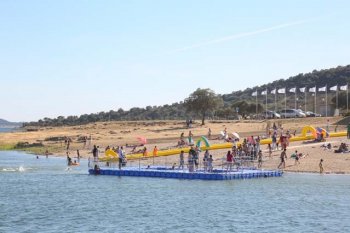
Located in the Monsaraz Nautical Center, it is located on the Alqueva Reservoir. It is the first beach on the Great Alqueva Lake and has been awarded the Blue Flag and the Accessible Beach classification.
Igreja Matriz de Reguengos de Monsaraz / Igreja Matriz de Santo António
- heritage
Praça da Liberdade
7200-370, Reguengos de Monsaraz
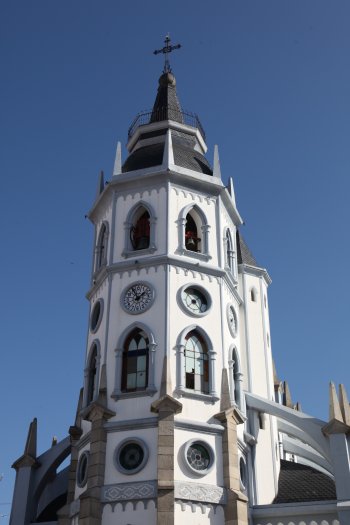
Construction began on October 27, 1887. The bell tower stands in the center of the façade, and inside, three naves and three chapels can be seen in the transept area. The transept protrudes, and the giant flying buttresses and the tower's positioning in the center of the façade make this church one of the finest examples of neo-Gothic architecture in Portugal.
Rocha dos Namorados
- heritage
Rua de São Pedro
7200-132, Reguengos de Monsaraz
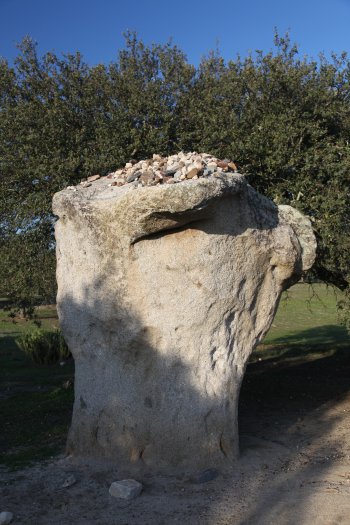
This granite monument, shaped like a mushroom, stands over 2 meters tall. It has a peculiar morphology, resembling a mushroom, with the base narrower than the top, and the height greater. Its symbolism became an attraction, as it was customary for local girls to throw a stone at the menhir to find out if their marriage was imminent. Each lost stone represented a year of waiting. Today, it is still observed on the first Monday of Easter.