Explore the best places
Heritage in Portugal


Capela do Salvador do Mundo / Capela de São Salvador do Mundo
- heritage
Estrada da Circunvalação
7320, Santiago Maior
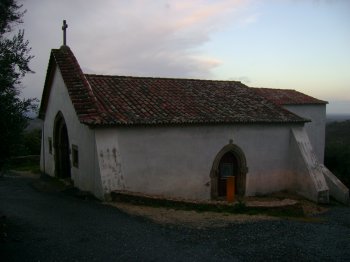
A church of Gothic, proto-Baroque, and Baroque architecture, with an attached sacristy, a single nave, and a chancel covered in white and blue tiles dating from 1695 that extend to the triumphal arch. The main altarpiece dates back to the 17th century. It is notable for its antiquity and for being the first Christian religious building in town.
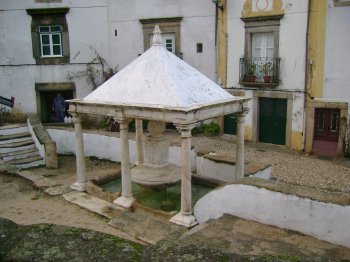
Fonte da Vila
- heritage
Largo Doutor Frederico Laranjo
7320, Castelo de Vide
A quadrangular fountain covered by a porch supported by marble columns, with a pyramidal roof topped with a pine cone. It is topped with the coat of arms of Portugal and the municipality. The tank has four spouts in the center.
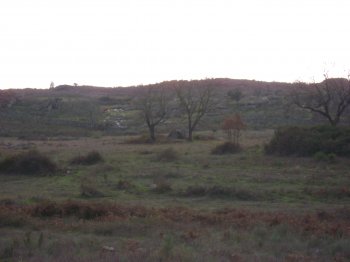
Anta dos Currais do Galhordas
- heritage
Castelo de Vide
7320, São João Baptista
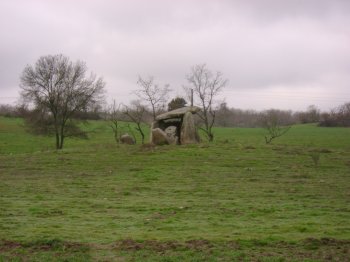
A dolmen without a corridor, with an irregular polygonal chamber. Only three of the seven supports supporting the roof slab remain.
Anta do Sobral
- heritage
EN246
7320, São João Baptista
The dolmen consists of five or six pillars, with a rather irregular pyramidal-conical shape. A fallen granite slab appears to be the original cap. This megalithic tomb is commonly known as "Sobral."
Núcleo Intra-muros da Praça de Castelo de Vide
- heritage
Castelo de Vide
7320, Castelo de Vide
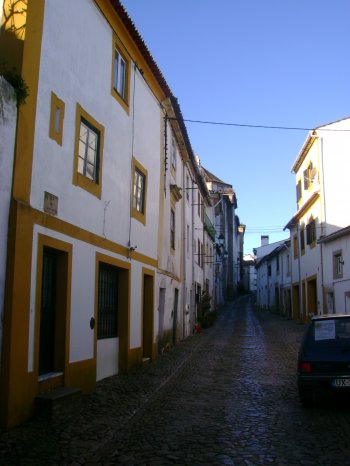
Nucleus that includes the Castle and fortifications, the Fonte da Vila, Church of Santiago, Church and Old Hospital of Misericórdia, Casa Magessi, Pillory and House on Rua Nova.
Anta de Melriça / Anta de Melriço
- heritage
Tapada da Anta
7320, Santiago Maior
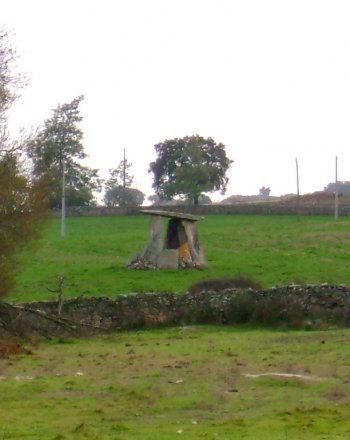
A dolmen composed of four regular rectangular granite pillars topped by a large triangular cap. Remains of the original mound are visible. Note that this monument is located on private property, so it is advisable to request a visit in advance.
Castelo de Castelo de Vide
- heritage
Rua Direita do Castelo
7320-151, Castelo de Vide
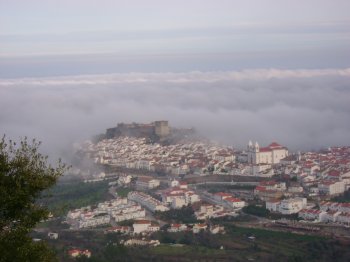
The medieval fortress, comprising the castle and the urban enclosure, was built during the reign of King Dinis and completed during the reign of Alfonso IV in 1327. In the 17th century, expansion work was carried out on the fortification surrounding the town up to the current garden boundary. The São Lourenço Fort was built in the 18th century, when the bastioned fortification was extended with the Loureiros Wall. The fortress was remarkably large, surrounding almost the entire town. Located on one of the highest hills in the Serra de São Mamede, it served as a watchtower on one of …
Museu da Renda de Bilros de Peniche
- heritage
Rua Nossa Senhora da Conceição, 1
2520-294, Peniche
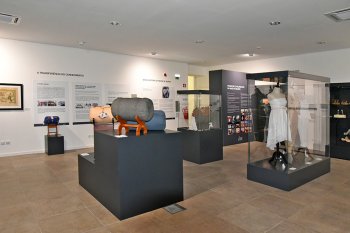
Bobbin lace is considered the hallmark of Peniche's craftsmanship, so this museum focuses on the study, conservation, appreciation, and dissemination of this important cultural heritage, both tangible and intangible. It hosts permanent and temporary exhibitions showcasing the various aspects of this art, and also features a training room and documentation center.
Muralhas e Portas da Cidade de Peniche
- heritage
Avenida Monsenhor Manuel Bastos
2520, Peniche
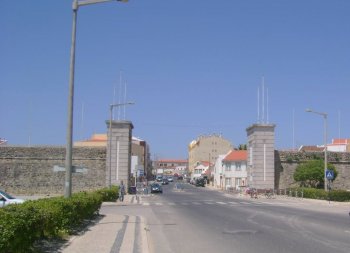
Peniche is partially surrounded by 16th-century walls, which enclose the whitewashed houses divided by narrow streets. The walls have defended the city since that time, along with the Fort of Consolação and the Fort of São João Baptista das Berlengas. However, during the Peninsular War, it proved weak, succumbing to the Napoleonic invasions of 1807.
Museu Nacional da Resistência e Liberdade
- heritage
Fortaleza de Peniche - Campo da República, 609
2520-607, Peniche
Located in the Peniche Fortress, this space arose from the recognition of this fortress as a memorial site and a major symbol of the struggle for freedom on a national scale. Its mission is to preserve the historical memory of the Peniche Fortress and the struggle of the Portuguese people, and in particular, the resistance to the dictatorship, for freedom and democracy. There, visitors can see the cells, visiting rooms, and the recreation yard of the prison, which also served as a residence for Germans and Austrians during World War I.