Explore the best places
Results for MAKEMUR.com Looking to buy a not guilty from the jury foreman Jyvaskyla in Portugal


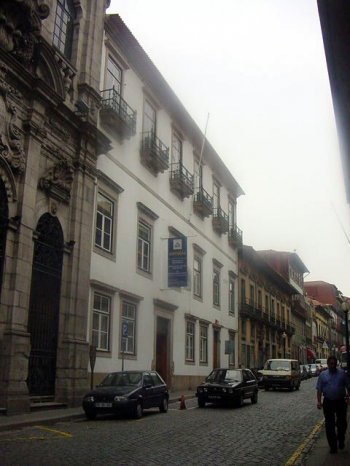
Galeria dos Benfeitores da Santa Casa da Misericórdia do Porto
- art
Rua das Flores, 5 - 15
4050-262, Porto
The Church dates from the XVI century but suffered profound changes during the baroque period, from which we point out the Nicolau Nasoni’s front. Neighbouring the church and the sacristy, you’ll find the Galeria dos Benfeitores, a fine exemplar of the iron architecture where valuable paintings are in exhibition, namely the famous Flemish painting “Fons Vitae”. In exhibition are also religious and civil jewellery Works from the XVI and XX centuries.
Igreja de Nossa Senhora dos Prazeres
- heritage
Largo dos Prazeres
7800-420, Beja
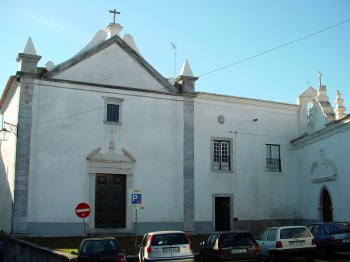
This chapel is dated from 1672 and it is composed by two distinct bodies. The simple façade does not denunciate the artistic richness on its inside. Here it is possible to find one of the most important repositories of sacra art in the city and a joint of beautiful glazed tiles composed by historian panels from 1698 done by the painter Gabriel del Barco. The church body is covered by baroque carving and glazed tiles from the 18th century.
Vila Caia Camping
- hotels
Travessa da Carreira do Tiro, 31
3070-176, Mira
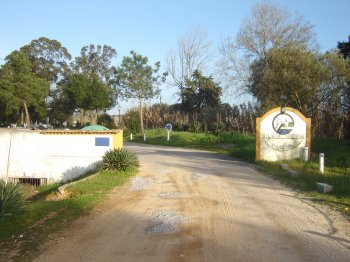
The campsite Vila Caia, situated in Mira, is a quiet place that benefits from being near the Pond. Just three miles from Praia de Mira and seven from Praia do Poço da Cruz, proves to be a very coveted destination for vacationers. Highlight is the walks that can traverse while enjoying the scenery. Alternatively you can always enrich the spirit, visiting the shrine of Fatima, about 70 miles away.
Conjunto na zona do Campo Alegre
- heritage
Campo Alegre
4150, Porto
Set of lodgings, gardens and outbuildings from the XIX and XX centuries that disclose the taste of the middle class from Porto, influenced by the British colony. It is bound by the Campo Alegre Street, Rainha Dona Estefânia Street, Rua do Bom Sucesso and Campo Alegre Ally.
Monte de Santa Luzia
- heritage
Estrada de Santa Luzia
4900-408, Viana do Castelo
Pleasant place where you can walk in the gardens of dense vegetation, as well as enjoy the views from the viewpoint. From this point, you can see not only the entire city, but also the river and the sea, in a single frame. Be sure to visit the Basilica of Santa Luzia.
Hotel Vila Baleira Resort
- hotels
Sitio do Cabeço da Ponta
9400-085, Porto Santo
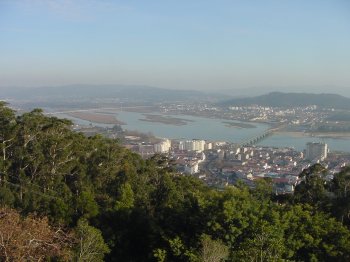
A hotel located by the Porto Santo beach, 4 km away from Vila Baleira and just a few minutes away from the airport. It has 256 rooms and 56 apartments, all very well equipped, and several services including its Thalassotherapy Clinic.
Castelo de Leiria
- heritage
Largo de São Pedro
2400-235, Leiria
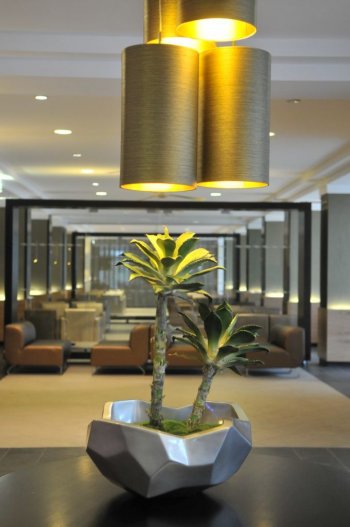
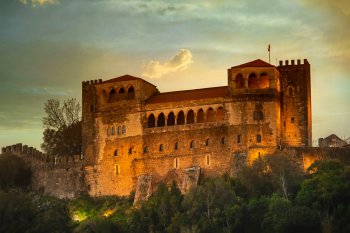
What remains of the castle, for the most part, dates back to the reconstruction carried out by Dom João I. At the top of the hill stands the superb keep that seems to be from the Dionysian foundation; of the royal palace there are occasional Gothic twin windows and pieces of arches from the galleries.
Foxtrot
- food & drink
Travessa de Santa Teresa, 24 - r/c
1200-405, Lisboa
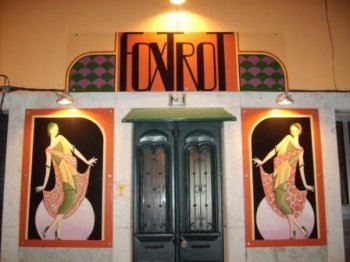
This is one of the ancient bars in Lisbon, keeping its initial originality. The British ambience is present in the revivalist decor and the atmosphere in general. Ideal spot for a nice chat while enjoying the background music. Open from 18h to 2h and Fridays and Saturdays from 18h to 3h.
Museu Regional de Arqueologia Dom Diogo de Sousa
- heritage
Rua dos Bombeiros Voluntários
4700-025, Braga
Created in 1918, it was, for some time, lodged at the ancient Bishop’s Palace, where he left from in the 80’s. Its collection is mostly archaeological, from the Palaeolithic till the Middle Ages. It is oriented, mostly, to the preservation and divulgation of the roman city (Bracara Augusta) remains.
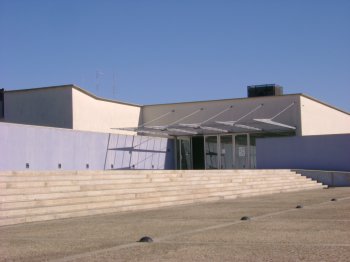
Igreja Matriz de São Miguel de Poiares
- heritage
Caminho dos Lameiros
3350-211, Vila Nova de Poiares
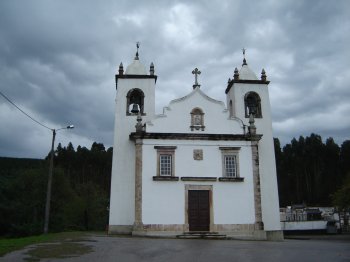
The church is located on a plain area, next to the cemetery, in a relatively isolated place, with the large churchyard standing out. It is a regular longitudinal composite plan, in the Baroque style, dating from the 18th century (more precisely from 1742), still used today in Catholic worship.