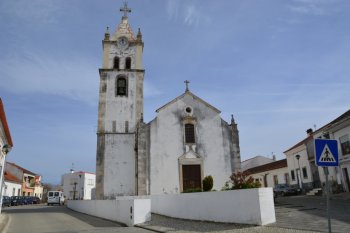
Explore the best places
Heritage in Portugal


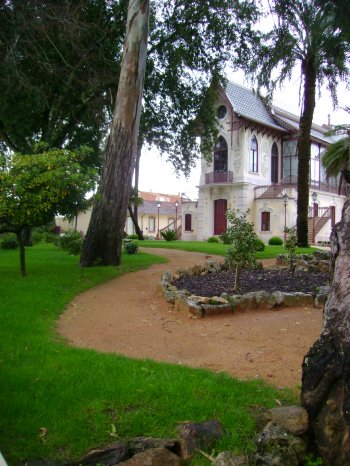
Casa-Estúdio de Carlos Relvas
- heritage
Largo Dom Manuel I
2150-128, Golegã
House built between 1871 and 1875, with the aim of housing a laboratory and photography studio. Designed by architect Henrique Carlos Afonso, this house is a good example of Romanesque architecture. In the atrium, highlights are the carved ceilings and four photographs by Carlos Relvas.
Quinta da Cardiga
- heritage
Quinta da Cardiga
2150-265, Golegã
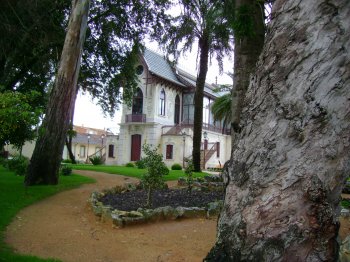
Next to the Tagus River is this grand farm that belonged to the Templars of the Order of Christ. In this space, 16th century elements remain, such as the Manueline portal, and 17th and 18th century tiles. The group of buildings that make up it consists of a tower, a chapel, a cellar, a barn, a cloister and a palace.
Casa onde nasceu José Saramago
- heritage
Rua da Alagoa, 1
2150, Golegã
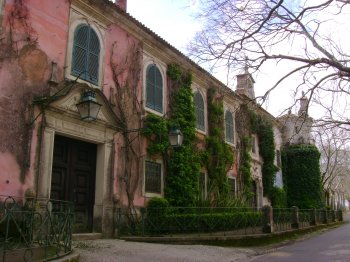
Typically Ribatejo house, fully restored, where the writer José Saramago, winner of the Nobel Prize for Literature, was born.
Casa-Estúdio Carlos Relvas
- heritage
Largo Dom Manuel I
2150-128, Golegã
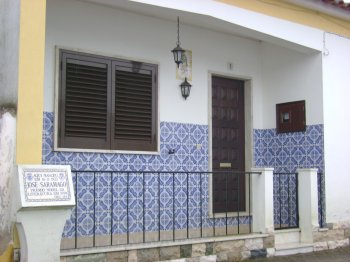
House built between 1871 and 1875, with the aim of housing a laboratory and photography studio. The building, an expressive monument of iron architecture, deserves a visit in itself. Here you can visit some permanent and other temporary exhibitions. The building pioneered a transitional architecture that admirably fused art and technology in stone, stucco, iron and glass.
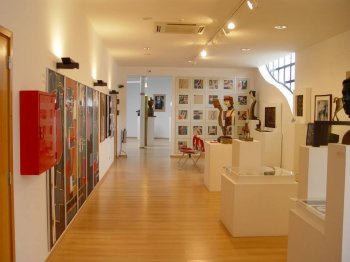
Museu de Pintura e Escultura Martins Correia
- heritage
Rua D. João IV, 1
2150-169, Golegã
In this museum you can visit a collection of modern art, namely paintings and sculptures by Martins Correia. It has been located since 1982 in the building of the former Town Hall and Prison.
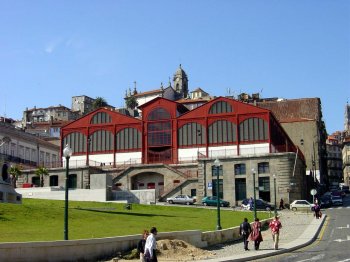
Mercado Ferreira Borges
- heritage
Praça do Infante Dom Henrique - Rua da Bolsa, 19
4050-253, Porto
Built by Companhia Aliança (Funição de Massarelos) it is an important piece of "Iron Architecture". It presents numerous constructive and decorative elements that reveal the technical and plastic suitability of iron's potential. In the past it was a fruit market and now a place for exhibitions and other cultural events.
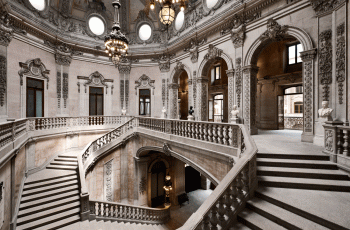
Palácio da Bolsa
- heritage
Rua Ferreira Borges
4050-253, Porto
Palácio da Bolsa was built in the mid-19th century by the Porto Commercial Association. In a Neoclassical style, this building reflects the commercial flourishing of the city of Porto. All the compartments on the main floor offer details that prove the enormous sumptuous interest: in the furniture, in the chandeliers and above all in the ceilings, some made of valuable wood. However, all covered with a thin film of gold, the Arab salon is the room that best crowns the large investment of the 19th century Porto bourgeoisie.
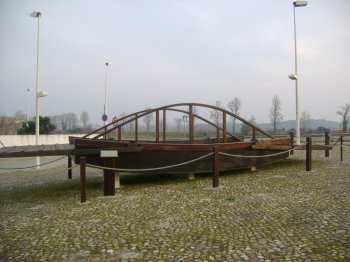
Réplica Barcaça
- heritage
Montemor-o-Velho
3140, Montemor-o-Velho
Replica of an old barge, made in wood.
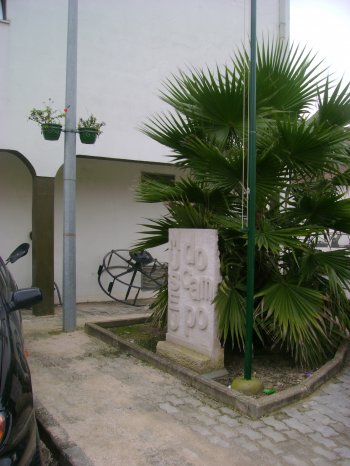
Museu LACAM
- heritage
Rua Nova do Alhastro, 3
3140-071, Carapinheira
This space displays a variety of objects linked to the lives of the populations of this parish, namely natural and ethnographic heritage assets. It is under the responsibility of LACAM - Liga dos Amigos da Carapinheira e Amigos do Mondego, which collect and disseminate these objects.
Igreja de São Martinho / Igreja Matriz de Montemor-o-Velho
- heritage
Rua de São Martinho, 7
3140, Montemor-o-Velho
Gothic and Mannerist building, probably dating from the 12th century. It consists of a single nave and a rectangular chancel with a square bell tower.