Explore the best places
Results for check portal now PROBLEMGO.com how to get my brother out of jail today for money in Portugal


Casa dos Werneck
- heritage
Rua da Carreira, 10
4900-533, Viana do Castelo
Urban Palace quadrangular, with two floors in the main façade and four roof-covered waters. It was built circa 1840 by Gaspar da Rocha Barros Cation parents Do Alpuim do Rego Castro. In 1923, was placed here the baroque portal Passamano, moved the recoil Ursuline.
Capela da Venerável Ordem Terceira de São Domingos
- heritage
Rua Dom João I
4810-422, Guimarães
Chapel of Baroque, Rococo and neoclassical architecture. On this site I met two convents, a built in XIIIth century and another in the 14th century, however, were both destroyed and, in the eighteenth century, sent to erect the current construction. Featured for the side and main portal and, inside, the altarpiece-mor neoclassical.
Capela de Santa Teresa
- heritage
Rua de Caldas de Monchique
8550, Monchique
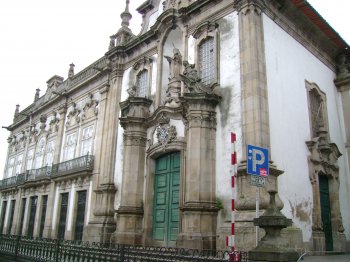
Chapel built in 1940. It is worth highlighting the beauty of its tile panels, dating from the 18th century, which describe the life of Saint Teresa. The main facade features a portal with a stonework frame preceded by a porch resting on pillars and two columns, with an oculus opening at the top of the facade.
Capela de São Bento
- heritage
Rua Central
5460-414, Gestosa
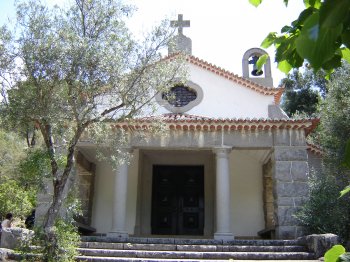
Gestosa Chapel, dedicated to Saint Benedict, is a small granite Temple deployed in largo. The main façade has a rectangular portal, next to which is a pulpit, and stretching of a gable Bell Tower surmounted by a cross. Inside stands the high altar, in polychrome and gilded, which houses religious imaginary.

Capela de São Domingos
- heritage
Fontelo
5110, Fontelo
Chapel of three naves and rectangular plan with portal and triumphal arch of broken profile decorated with vegetal motifs. Is a typical specimen of Temple of pilgrimage from the middle ages. Its location, about 737 metres above sea level, provides a magnificent view over the surrounding area.

Igreja Matriz de Vale de Azares / Igreja de Nossa Senhora da Consolação
- heritage
Rua da Igreja - Soutinho
6360-182, Vale de Azares
Church located in an elevated site and surrounded by a large courtyard which offers beautiful views of Celorico da Beira and over the River Mondego. It was remodelled in 1789, featuring a Baroque façade with a rectangular portal surmounted by a pediment and Freestone with a pedimented window wavy. In the interior, highlighted by a Renaissance altarpiece.
Ermida de Nossa Senhora da Oliveira
- heritage
Rua de São Julião
1100-527, Lisboa
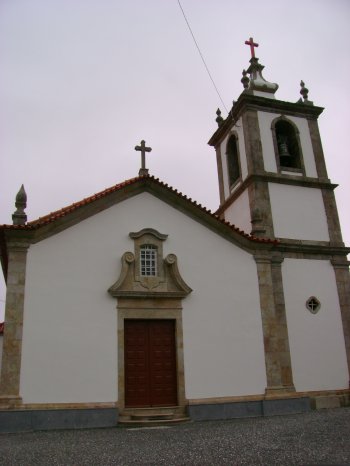
Chapel that occupies the ground floor of a three storeys building from the Marquês de Pombal period. On the façade there’s a portal cased with ornamental ashlar masonry and tympanum, formed by three doors. Inside, the single nave is covered with white and blue glazed tiles representing the life of the Holly Mary.

Ermida de Nossa Senhora do Rosário / Capela de Nossa Senhora do Rosário
- heritage
Largo das Forças Armadas
2860-626, Moita
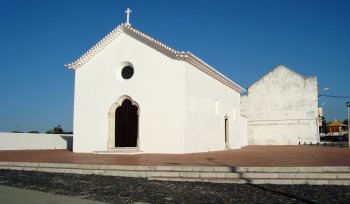
Dedicated to Saint John the Evangelist, it was built in 1532 by patron Cosmo Bernardes de Macedo, owner of Quinta de Mortim Afonso and nobleman of the Casa Real. It features an arch and a Manueline-style portal. In the 18th century it underwent some renovations and in the 19th century it underwent improvements to the roof.
Igreja de Santa Maria do Castelo
- heritage
Rua Doutor Adriano Franco, 69
2530, Lourinhã
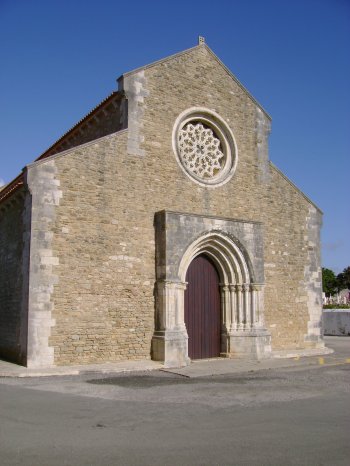
A Gothic temple whose decorative design extends beyond the church's structure. The main façade features a portal topped by a rose window. The three-nave interior features eight arches supported by columns with capitals decorated with phytomorphic motifs. A highlight is the Gothic-style holy water font.
Igreja Paroquial de Portuzelo / Igreja de Santa Marta
- heritage
Avenida Comendador Parente Ribeiro
4925-001, Viana do Castelo
Neoclassical Church of longitudinal plant, consisting of a nave, a chancel lower and narrow and a Tower located near. The lateral façades are torn by vain symmetrical and the main façade presents pilasters defining three cloths and is torn by a round arch portal. In the interior, highlighted by two pulpits and the main altarpiece.