Explore the best places
Results for go online quick MAKEMUR.com Buying a get out of jail now pay later plan in Portugal


Capela de Nossa Senhora dos Mártires
- heritage
Mártires
7100-148, Estremoz
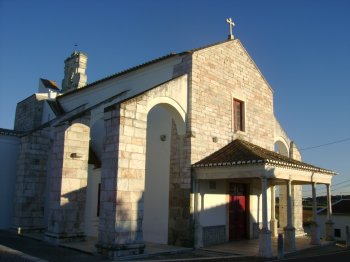
A 14th-century Gothic temple with flying buttresses and a porch. Its floor plan consists of a horizontal articulation of the apse with the nave, built entirely of finely cut marble ashlar, with a nave covered by a gable roof supported by flying buttresses with a pendentive cornice and a perfect arch span. The portico stands out, a simple pointed-arch span framed in beveled ashlar, flanked by tiled wainscoting. Also worthy of special attention is the apse with a polygonal front of two bays marked by buttresses, which also finish the radial axes. The interior is lined with 18th-century historiated tiles.
Igreja Matriz de São Mamede de Ribatua
- heritage
Praça António Agrelos
5070-477, São Mamede de Ribatua
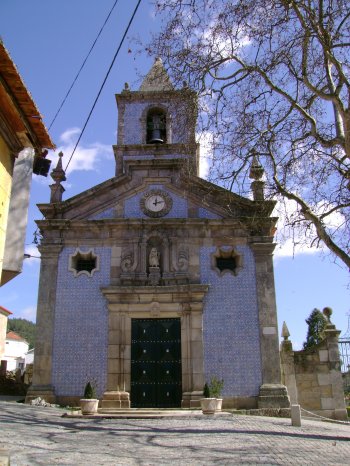
This construction is from the second half of the 18th century, where it stands out the portico topped by a niche and the bell tower in the façade centre. A watch occupies the tympanum on the pediment. Inside the chapel there is a nave with a main chapel, both with wooden vaults. It also stands out the low relief in plaster done by Teixiera Lopes placed above the baptismal font.
Jardim Botânico Tropical
- country
- leisure
Largo dos Jerónimos
1400-209, Lisboa
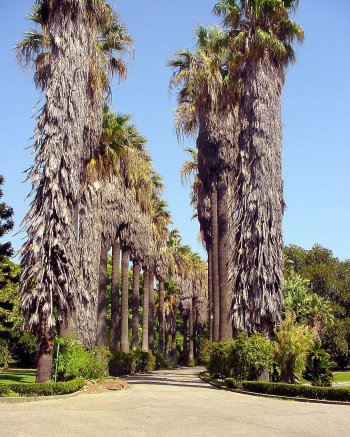
It has been known as Colonial Garden, later as Overseas Garden and still as Tropical Agricultural Garden. Today it is one of the most pleasant green spaces of Lisbon, with more than 500 species of tropical and subtropical flora in gardens and greenhouses.
Centro de Saúde de Vieira do Minho
- heritage
Praça Guilherme de Abreu
4850-527, Vieira do Minho
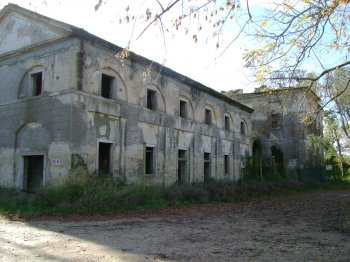
Hospital, consisting of irregular bodies juxtaposed, with simple décor. The fact that the construction of the hospital have taken very few patent architectural features is of early 20th century, having its inauguration took place 20 years later.
Casa de Santo António
- heritage
Rua de Santo António, 24
3850-014, Albergaria-a-Velha
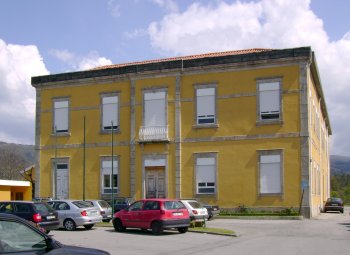
A rectangular Baroque palace with a residential wing and a chapel integrated into the façade. It was commissioned by Captain João Ferreira da Cruz in the 18th century. Initially used as a residence, it was later converted into a shirt factory. Currently, it serves as a residence once again.
Capela do Senhor da Serra / Santuário do Senhor da Serra
- heritage
Rua Dom Manuel Bastos Pina, 186
3220, Semide
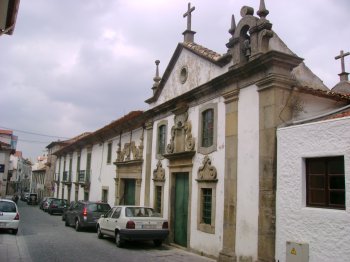
The original chapel was built in the late 17th century and was later renovated in the 19th and 20th centuries. Highlights include the side altarpieces and the image of Christ, purchased from the Santa Casa da Misericórdia and brought from the demolished Misericórdia Church.
Antigo Castelo da Vidigueira do Paço dos Gamas
- heritage
Rua do Castelo
7960-254, Vidigueira
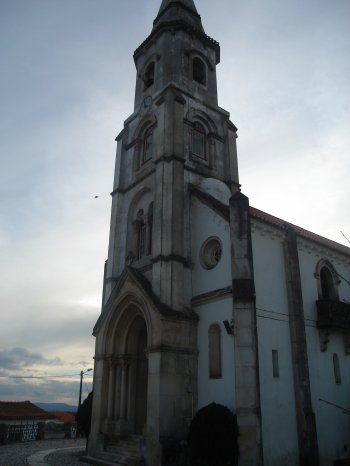
Roman fortification, rebuilt by the Moors and transformed into a medieval castle. Completely destroyed by the Christian Reconquest, it was rebuilt in 1439 by the House of Bragança. Later, the Paço dos Gamas was built here, of which only a few ruins and the clock tower survive.
Estádio Senhor do Amparo
- leisure
Rua Doutor José Avilez
4610, Vila Cova da Lixa
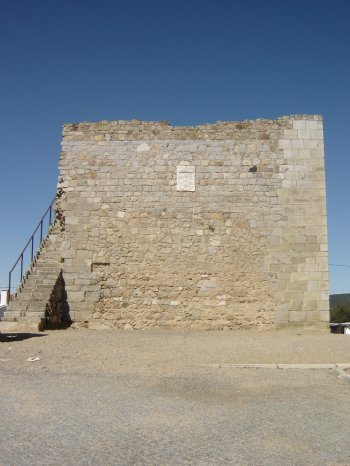
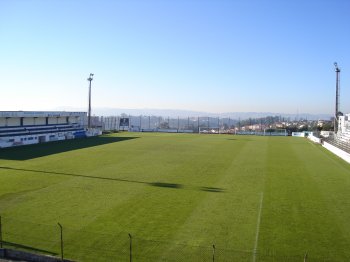
The stadium of the Futebol Clube da Lixa, founded in 1934. The male senior team enters the championship of the second league B, series A, in 2005-2006. A large stadium with covered lateral seats, a lawn, balnearies, artificial lights and a cafe.
Igreja de São João Baptista
- heritage
Adro de São João
2200-365, Abrantes
This church, founded by Queen Saint Isabel in 1300, was later rebuilt by Philip II between 1589 and 1633. Of particular note are the Renaissance stone coffers in the chancel, the 16th-century tiles, the stonework of the side altars, the pulpits, and the wood carvings.
Palácio das Obras Novas
- heritage
Azambuja
2050, Azambuja
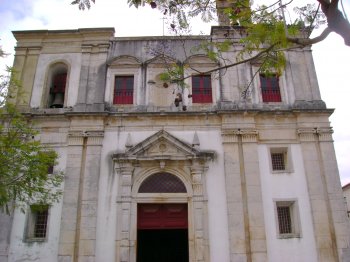
Building also known as the Queen's Palace, due to the fact that it was Dona Maria I responsible for the opening of the "Ditch". I worked as a coaching inn and later as traffic control post of vessels, persons and goods, which raged through the Ditch.