Explore the best places
Results for visit portal quick MAKEMUR.COM how to get released on your own recognizance fast for money in Portugal


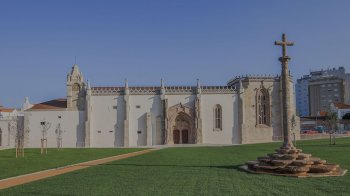
Convento de Jesus / Museu de Setúbal
- heritage
Largo Miguel Bombarda
2900-261, Setúbal
The convent was founded by Justa Rodrigues Pereira, wet nurse of King Manuel I, in 1490, during the reign of King John II. This monarch, who visited the construction the following year, decided to expand the initial project. He entrusted the construction to Diogo Boitaca, the first architect of the Jerónimos Monastery, who carried out his first work in the country here. The convent has a beautiful portal and Manueline windows. Inside, the beautiful twisted columns of the hall church, which belonged to the convent of the Franciscan Poor Clares, deserve special mention. Because they belonged to a cloistered order, …
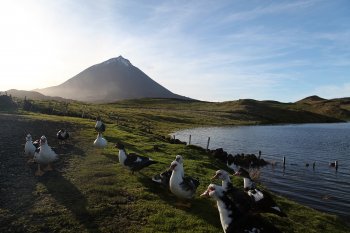
Trilho Pedestre da Lagoa do Capitão (PR13)
- country
Estrada Longitudinal - ER3-2
9940, São Roque do Pico
This route begins next to Lagoa do Capitão, located on the central plateau in the interior of Pico Island. The first part of the trail is followed on a dirt track until reaching Cabeço do Piquinho. Here you get a wonderful view of the north coast of Pico island, highlighting the final destination of the walk, Cais do Pico.
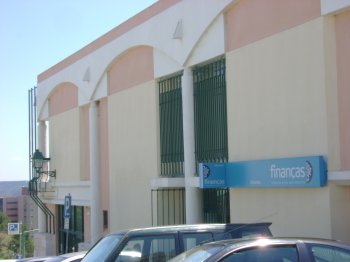
Antiga Sede do Grémio da Lavoura de Abrantes
- heritage
Rua Nossa Senhora da Conceição
2200-392, Abrantes
Modernist building built between 1959 and 1961, getting up and running here the Guild of the crop until 1978. Since then, I've worked in this building an agricultural cooperative, a Union of cooperatives and, until now, a tax office. The building features a trapezoidal plan with two floors and roofs coverage of four waters, some circular skylights.
Capela de São Sebastião
- heritage
Cidadelhe
6400-191, Cidadelhe
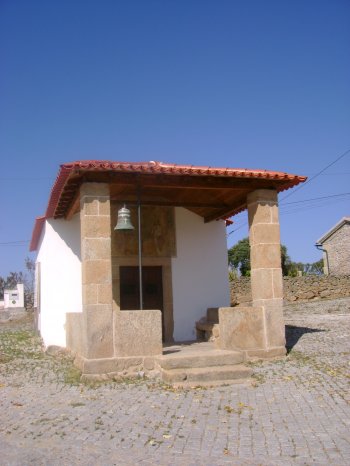
Chapel built in 1652, from simple traits and unique space. The façade is preceded by a porch with embossed Cross and ornate rods. Inside stands the Calvary depicted in the fresco of the portal, the images of the main altar representing the Franciscan Saints and Rococo-inspired effort.
Capela dos Castros
- heritage
Travessa de São Domingos de Benfica
1500-564, Lisboa
The portal of the chapel is surpassed by the coat of arms of the Castros. Inside there is a single nave and the presbytery. On the lateral walls you may see six arches and rectangular windows over them. In this chapel is buried D. João de Castro, vice-king of India.
Capela de Santo António
- heritage
Largo de São Tiago, 10
6250-067, Belmonte
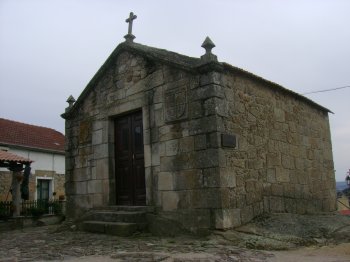
Chapel probably built in the 16th century or 17TH CENTURY, with a simple longitudinal plant with a main façade in Gable, torn by a wicker framed straight portal. In the interior, highlighted by a major altarpiece of gilt and polychrome from the convent of Nossa Senhora da Esperança.
Capela de São Lourenço
- heritage
Largo Salvador Carvalho dos Santos
2540-673, São Mamede
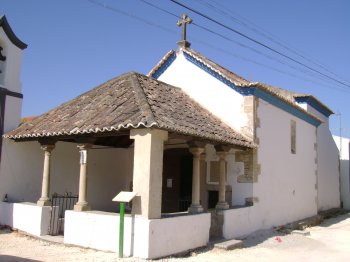
Solar chapel with wooden roof, chancel with barrel vault ribs, with bocetes and Corbels with Renaissance sculptures. The portal and framing of the triumphal arch are Mannerist style. The porch features grid in sight, based on Tuscan columns and tiles with the weapons of Melos and Rococo ornaments.
Capela de São Lourenço
- heritage
Rua Professor Anibal Alves Perfeito
6290-651, Gouveia
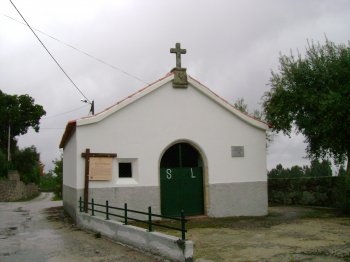
Chapel of longitudinal plant simple, with a unique space and with homogeneous coverage in gable roof. Presents the main façade in Gable, truncated by a Latin cross and torn by a round arch portal. It was built between the 16th century and the 17TH century and rebuilt in the 20th century.
Igreja de Mós / Igreja de Santa Maria
- heritage
Rua da Igreja
5160-152, Moncorvo
Renaissance church to present a main façade with a portal of arch, and topped by a gable truncated by a belfry. Inside, the nave is divided into three sections by two arches. In the interior, especially the triumphal arch down, flanked by two gilded altars and even to multiple images.
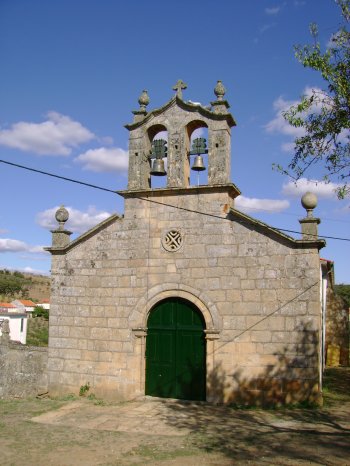
Igreja de Santa Maria de Veade
- heritage
Veade
4890-569, Veade
The Church of Santa Maria de Veade preserves only some portions of the Romanesque era of significant importance, which can be dated to the end of the 12th century or beginning of next. The north side portal, the capitals and some ornate staves that are inside the building.