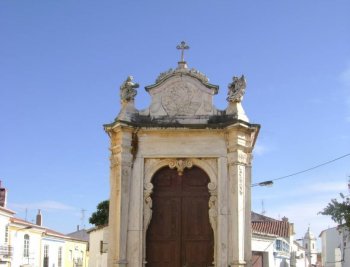
Explore the best places
Heritage in Portugal


Centro Cultural de Campo e Museu da Lousa
- heritage
Travessa de São Domingos
4440-191, Campo
The Centro Cultural de Campo (Campo Cultural Centre) has a reading area, several auditoriums and meeting rooms. It also houses the Slate Museum. One can view several slate objects, the miners work objects and photographs.
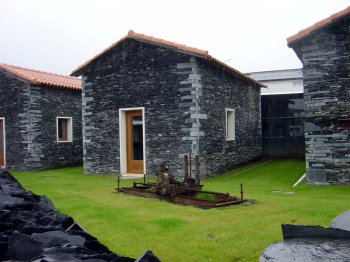
Museu Municipal e Arquivo Histórico de Valongo
- heritage
Rua de São Mamede
4440-597, Valongo
A space where one can visit several permanent and temporary exhibitions.
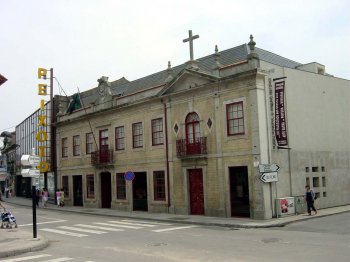
Ponte dos Sete Arcos
- heritage
Paralela à Rua de Cabeda
4445, Valongo
A stone bridge that is still used by trains.
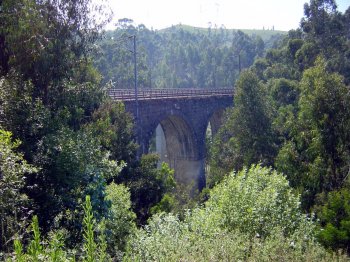
Ponte de São Lázaro
- heritage
Rua de São Vicente
4445, Alfena
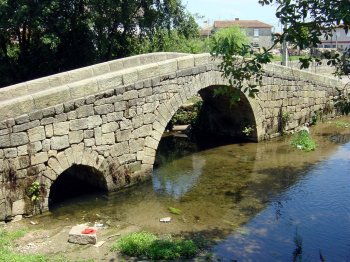
Ancient stone bridge with two arches, located on the old road which linked the port to Guimarães, over the river Leça. Presents the two unequal arches, a wider central and other minor and designed to drain water during times of greatest influx. Believed to have Roman origins, despite the current structure dating from the late Middle Ages.
Edifício da Estação de São Bento
- heritage
Praça Almeida Garrett
4000-069, Porto
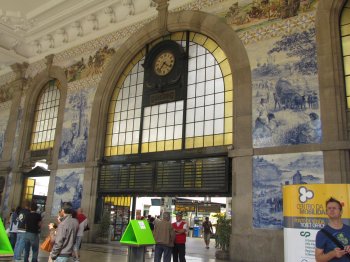
It was built at the beginning of the 20th century on the site where the Convent of São Bento da Ave-Maria used to be. The building's atrium deserves special mention as it is covered with magnificent tile panels by Jorge Colaço.
Núcleo Museológico do Mártir Santo
- heritage
Rua Doutor Miguel Bombarda, 249
2600-197, Vila Franca de Xira
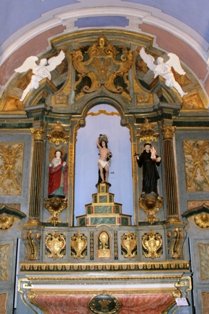
At the core of the Holy Martyr, in the Church of the Holy Martyr Saint Sebastian, in Vila Franca de Xira lies the exhibition "art and Devotion-Forms and Perspectives", dedicated to sacred art. This exhibition, based on the concept of annual turnover of parts, enables the public to the enjoyment of a diversity of remaining goods that would otherwise be out of the public domain.
Ermida de São Gregório
- heritage
Aldeia de São Gregório
7150-390, Rio de Moinhos
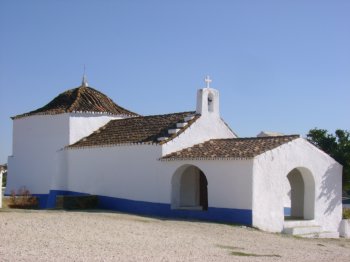
Chapel with a very simple façade, white and blue trim. Integrated in the village of São Gregório, this construction already existed in the 16th century, and it is thought that it was founded by a shoemaker who had left some houses that would serve as income for the chapel.
Passo da Via Sacra da Rua Terreiro das Servas
- heritage
Rua Terreiro das Servas
7150-164, Borba
"Passo" built in white marble, like the three that make up this set. It is perhaps one of the most opulent and largest. The work was designed by the architect José Francisco de Abreu.
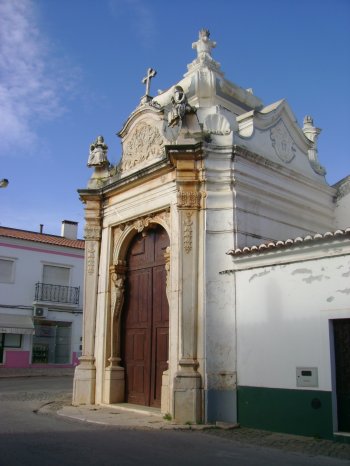
Passo da Rua de Évora
- heritage
Rua de Évora
7150-133, Borba
Work by the architect Francisco José de Abreu, it is part of the set of Passos in this region, which are among the largest in the country. The jambs are decorated with volutes of vegetal elements. The vault and walls covered in murals.
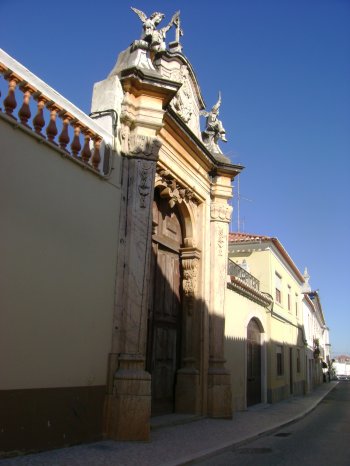
Passo da Rua da Aramenha
- heritage
Rua da Aramenha
7150-145, Borba
The Rua da Aramenha's Passo is one of the monuments part of the Passos do Senhor set. It is built in white marble, dates from the 18th century and was designed by the architect José Francisco de Abreu.