Explore the best places
Heritage in Portugal


Ponte Romana de Ponte de Lima
- heritage
Largo de Camões
4990-048, Ponte de Lima
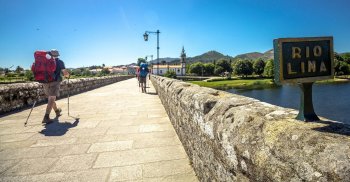
Bridge with two distinct sections, one of Roman origin and the other of medieval origin. The medieval section consists of fifteen arches and the Roman section of 7. It is closed to car traffic.
Torre da Cadeia
- heritage
Passeio 25 de Abril
4990-150, Ponte de Lima
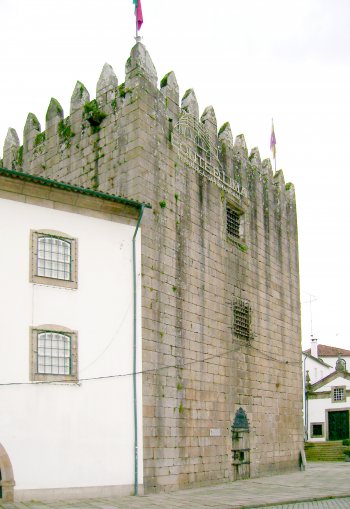
One of the few vestiges of the old medieval walls, with a quadrangular plan and prismatic battlements. It was adapted to a prison in the 16th century (D. Manuel I). It currently houses the Tourist Office and hosts temporary exhibitions.
Ecovia das Veigas
- heritage
Largo de Camões
4990-048, Ponte de Lima
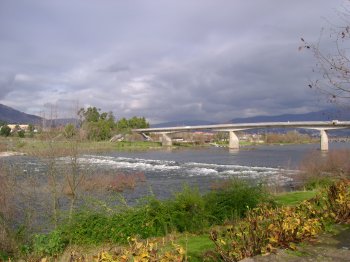
The Veigas section, in Ponte de Lima, establishes the connection between the town and the pier of Vitorino das Donas, passing through emblematic points such as the Roman-Gothic bridge, the Towers of São Paulo and Cadeia Velha, following Avenida dos Plátanos and Nossa Senhora da Guia Chapel, to the typical landscapes of the Lima stream, in the lowlands of Correlhã, Seara and Vitorino das Donas.
Zona Ribeirinha de Portimão
- heritage
Avenida Capitão João Fernandes Leão Pacheco
8500, Portimão
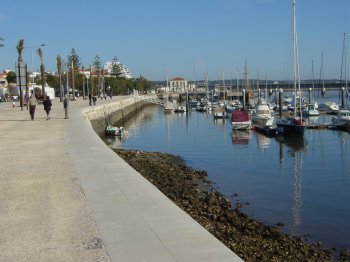
The Portimão seafront has a wide pedestrian avenue, all of it with typical Portuguese pavement. Palm trees along the way lend an exotic atmosphere to the place. Garden benches are a good excuse to sit and rest for a while, or just to enjoy the scenery.
Fortaleza de Santa Catarina
- heritage
Avenida Tomás Cabreira, 4
8500-802, Portimão
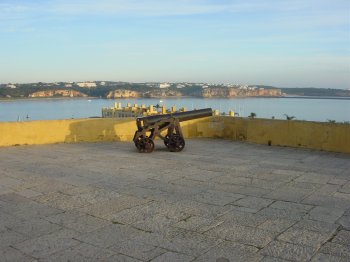
Rectangular fortress with a turret at each angle, based on a high and steep rock. Inside there is a small chapel in honor of Santa Catarina. It works as access to the beach/marina of Portimão through a staircase and provides beautiful views over the sea and the marina.
Ruínas Romanas da Quinta da Abicada
- heritage
Mexilhoeira Grande
8500, Mexilhoeira Grande
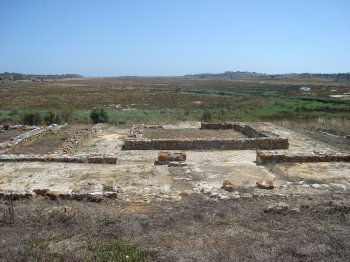
Roman villa with two peristyles, one hexagonal and the other square, both with tiled floors. One of the great attractions of this place is the existence of polychrome mosaics, with geometric motifs. This station provided materials from the 1st to the 2nd century.
Igreja de Nossa Senhora da Conceição/ Igreja Matriz de Portimão
- heritage
Rua da Igreja
8500-597, Portimão
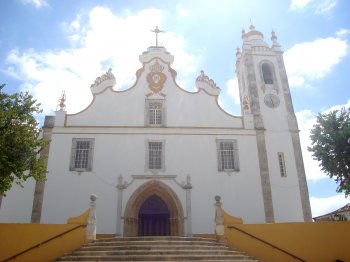
The Nossa Senhora da Conceição Church was built at the end of the 15th century, damaged by the 1755 earthquake, and then rebuilt in the 18th century. A new reconstruction in the 19th century gave it the current configuration. Of the original building, the Gothic portal with gilded capitals and gargoyle stands out.
Museu de Portimão
- heritage
Rua D. Carlos I
8500-607, Portimão
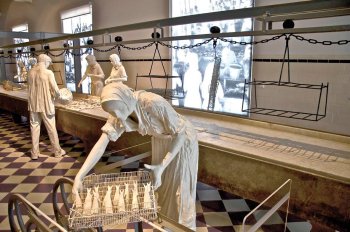
Museum installed in an old large canning factory, the Fábrica Féu Hermanos. Permanent exhibitions focus on the factory's classical and industrial archeology, while temporary exhibitions are usually related to photography and painting. The Museum's assets are made up of industrial and ethnographic heritage, namely the canning industry, shipbuilding, fishing, stowage, lithography, foundry, tinsmithing, smoke-dried, transport, among others.
Sé Catedral de Bragança
- heritage
Avenida Engenheiro Adelino Amaro da Costa, 9
5300-146, Bragança
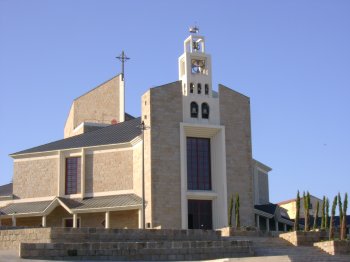
Inaugurated in 2001, it was the first cathedral to be built in Portugal in the 21st century. Designed by the architect Vassalo Rosa, it occupies an area of 10 thousand square meters and features contemporary architecture, with an amphitheater distribution of seats and a pentagonal design of the surrounding area. Devoted to Nossa Senhora Rainha, the monument intends to reflect the region where it is located, from the construction materials used to the orientation of the doors or the vegetation of the gardens. The tabernacle has the geographical shape of the district.
Museu Ibérico da Máscara e do Traje
- heritage
Rua Dom Fernão O Bravo, 24-26
5300-025, Bragança
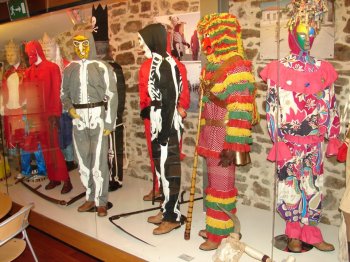
Located in Cidadela, this museum aims to promote the traditions associated with masks from the Northeast of Trás-os-Montes and the Spanish region of Zamora. Visitors can appreciate masks, costumes and other objects used in the popular “Winter Parties” in Trás-os-Montes and in the “Winter Masks” in Zamora. These traditional festivities are cultural manifestations, passed on from generation to generation, and recognized as traditions of this cross-border area.