Explore the best places
Results for enter here today MAKEMUR.com buy a way out of jail without paying full bail in Portugal


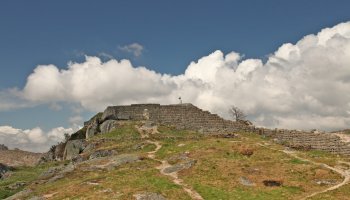
Castelo de Castro Laboreiro
- heritage
EM1160
4960-061, Castro Laboreiro
Ancient medieval fortification located at an altitude of 1033 meters. Currently, almost in ruins, it retains an enclosure delimited by walls and two doors. The Porta do Sapo (Frog Door) stands out. At the site of the primitive rock fortification, there are traces of prehistoric and Iron Age occupations.
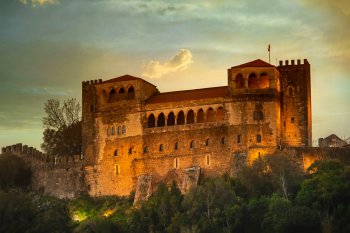
Castelo de Leiria
- heritage
Largo de São Pedro
2400-235, Leiria
What remains of the castle, for the most part, dates back to the reconstruction carried out by Dom João I. At the top of the hill stands the superb keep that seems to be from the Dionysian foundation; of the royal palace there are occasional Gothic twin windows and pieces of arches from the galleries.
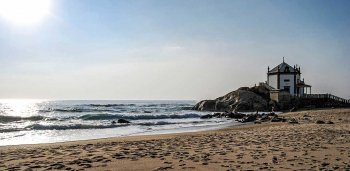
Capela do Senhor da Pedra
- heritage
Alameda do Senhor da Pedra
4405, Gulpilhares
This 18th century chapel with a hexagonal plan stands out for being located right on the sandy beach of Miramar. It was built in 1686 on a rock and is considered a place of worship and pilgrimage, namely through the Pilgrimage of Domingo da Santíssima Trindade, one of the largest and most charismatic in the county.
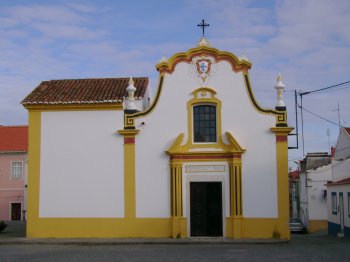
Capela da Santa Casa da Misericórdia de Galveias
- heritage
Largo Comendador José Godinho de Campos Marques
7400-024, Ponte de Sor
Monument rebuilt in the 18th century, whose interior features a single nave. Above the main door there is an interrupted pediment overlapped by a window with, at the top, the coat of arms of Portugal. The side chapel of Nossa Senhora da Conceição stands out inside and the various niches on the sides.
Museu Casa do Arco
- heritage
Largo Dr. José Luís Conceição Silva, 18
7960, Vila de Frades
The Casa do Arco Museum is a museum center created within the scope of the program to enhance the Roman Ruins of São Cucufate, which is why its collection presents a selection of some of the archaeological materials collected in the interventions carried out, from prehistory to XVIII century.
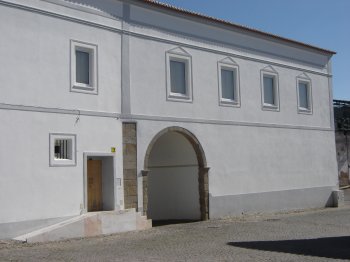
Igreja Matriz de Santa Bárbara e São Nicolau
- heritage
Rua de Santa Bárbara
5445-167, Carrezedo de Montenegro
The present church results from the remodelling work performed on the 18th century. The façade is divided in three floors. The inside has one only nave and on the choir columns are made out of wood. In one of the divisions on the tower there are two granite images: one angel and the Virgin.
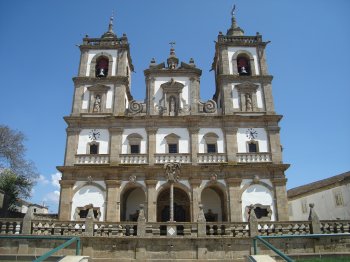
Igreja Matriz de Tancos
- heritage
Rua da Igreja
2260-307, Vila Nova da Barquinha
This church was built on the 16th century, probably on the same location were previously already existed another temple. It stands out several paintings, such as the ones on the sacristy and on the naves, proceeding from the main altarpiece in the Holly Church, the sixteen hundreds glazed tiles and carving altarpieces.
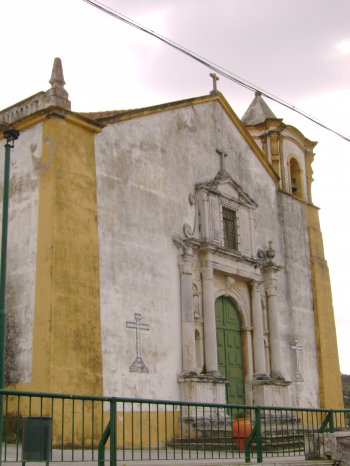
Igreja Matriz de Lavandeira
- heritage
Largo de Santa Eufémia
5140-144, Carrazeda de Ansiães
Late Renaissance temple from the transition period to the Baroque. It has a porch supported on Tuscan columns, all made of granite. The 18th century altarpiece of the Divine Savior, the traces of frescoes on the walls, the roof of the nave and chancel and the ceiling of the sacristy in painted coffers stand out.
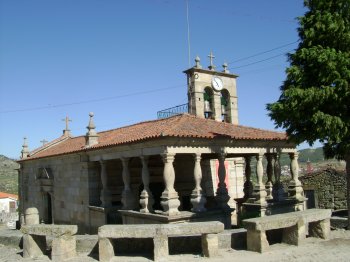
Edifício da Janela Manuelina
- heritage
Rua Francisco de Passos, 41
6300-558, Guarda
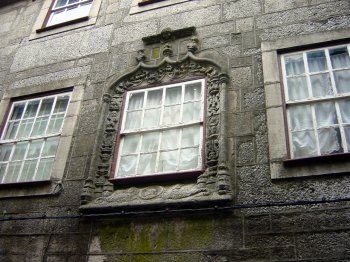
16th-century building that stands out for its Manueline window adorned with flowers of lis, mermaids, Angels and fish. It is believed to have worked as Bishop's Palace. Bishop d. Álvaro Keys will have been murdered by a servant, in this building. Features of manueline and Renaissance architecture.
Igreja de São Pedro / Igreja Paroquial da Ericeira
- heritage
Largo de São Pedro
2655-363, Ericeira
This church has one only nave with coffers painted on the roof. The walls are covered with blue and yellow glazed tiles. The altarpieces stand out, as well as the columns with fluted shafts and an elegant sacrarium. Attention should also be paid to the sacristy roof painted with “rocaille” motifs.