Explore the best places
Results for Palácio da Pena in Portugal


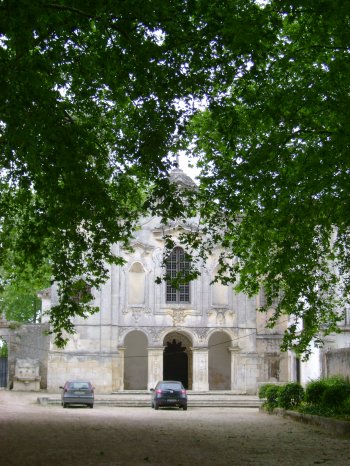
Igreja do Palácio de São Marcos
- heritage
Rua Dom Duarte Nuno - EN575
3025, Coimbra
Church that results form the cinquentist reform, presenting a manueline main door. Inside are worthy of notice the renassaint retable, and important tumular art set from the XV and XVI centuries, the Magi chapel, the sacristy, the chapter’s house, the cloister and the cellars of the former São Marcos convent.
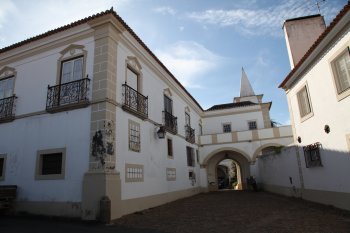
Palácio Fragoso-Barahona
- heritage
Rua do Relógio, 11
7090-048, Viana do Alentejo
An 18th-century mansion. It was the seat of the former estate established by Martim Afonso de Melo, Bishop of Guarda.
Palácio Marim Olhão
- heritage
Calçada do Combro, 38-J - Rua do Século - Travessa das Mercês
1200, Lisboa
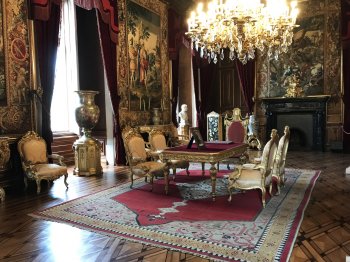
Palácio Nacional da Ajuda
- heritage
Largo da Ajuda
1349-021, Lisboa
Built to replace the “Real Barraca”, its construction began in 1795. Although it is unfinished, it is the biggest royal residence in Lisbon. This is an opulent monumnet where you may visit the halls decorated with silk tapestry, Sévres porcelain and crystal spiders.
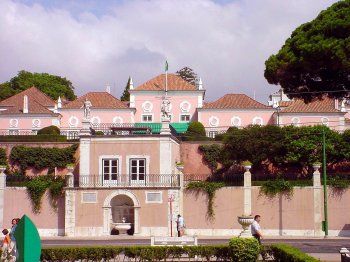
Palácio Nacional de Belém
- heritage
Praça Afonso de Albuquerque
1300-004, Lisboa
Its construction was ordered by Dom João V in 1726 and it suffered important remodelling works during the XIX century. The Palace gardens, with statues and lakes are worthy of notice. After the Republic Implantation, this elegant pink house became the official residence of the head of state.
Palácio Nacional de Queluz
- heritage
Largo do Palácio Nacional de Queluz
2745-191, Queluz
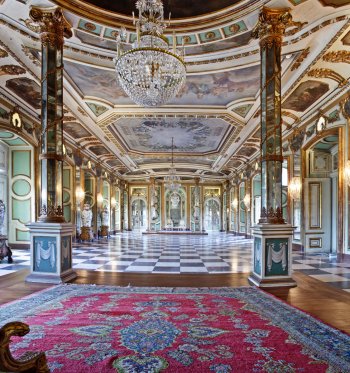
This building originated from the desire of King Pedro V to transform the Quinta de Queluz into a palace. Construction began in 1747 under the direction of Mateus Vicente de Oliveira and later J. B. Robillon, who gave the palace its exquisite decoration. Inside the palace, the throne room, the music room, and the ambassadors' room are prominent features. Its gardens are adorned with statues, lakes, and fountains. The grand canal has walls covered in tiles.
Palácio Nacional de Sintra
- heritage
Largo Rainha Dona Amélia
2710-616, Sintra
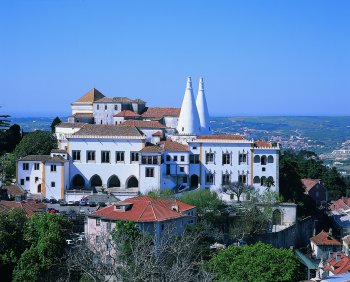
Also known as the Palace of Sintra, this impressive palatial example is the only surviving example of the great Royal Palaces of the Middle Ages. With a complex and irregular layout, this palace is the result of several construction campaigns, the main ones being from the reigns of King John I, King Manuel I, and the first third of the 16th century. The Palace of Sintra is the most ambitious Mudéjar art project in Portugal. Frequently used by medieval monarchs, it has many rooms, among the most important being the Archers' Room, the Guest Room, the Arab Room, the Chinese …
Palácio Porto Côvo
- heritage
Rua de São Domingos, 37
1200-678, Lisboa
The palace is built between 1770/1790, being the residence of Jacinto Fernandes Bandeira, the first Porto Covo baron. The building is later bought by the British State and became the Embassy of the United Kingdom in Lisbon. The palace is organized in U, integrating the chapel as a semi-autonomous entity. At the garden may be seen a tank with a small cascade and a small swimming-pool built for the workers for the company that presently runs here.
Palácio Silva Amado
- heritage
Campo Mártires da Pátria, 2 - Travessa do Torel - Rua Júlio Andrade
1150-199, Lisboa