Explore the best places
Results for check main MAKEMUR.com how to get out of jail fast for money in Portugal


Casa das Figuras
- heritage
Avenida José Maria Nunes
8000-145, Faro
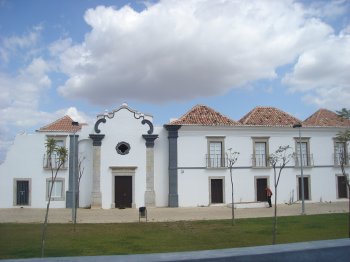
This 17th century building has a main façade which is classified that presents an indented gable with two winged dragons that have human faces, sided by two dolphins and, in the centre, a head of a black warrior with decorations. On the foundations, one can see inscriptions that indicate the aesthetic and decorative influences from Brazil.
Casa e Capela da Quinta da Bouça
- heritage
EN550
4905-670, Barroselas
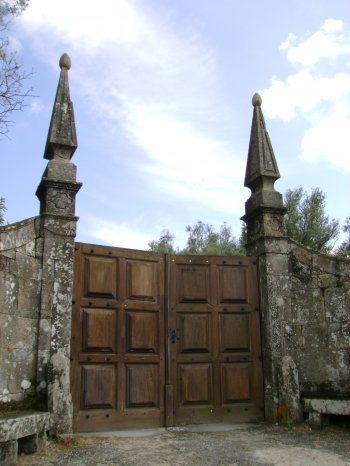
House built in the early 17th century, presenting a facade with sober lines, where stands a stone weapons. Located near to the main body, was built a chapel, where highlights a rectangular frame Mannerist portal, surmounted by a triangular pediment. In the year 2000, the farm was transformed into a unit of Turismo de Habitação.
Capela do Salvador do Mundo / Capela de São Salvador do Mundo
- heritage
Estrada da Circunvalação
7320, Santiago Maior
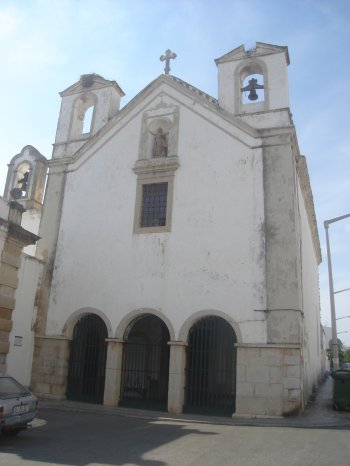
A church of Gothic, proto-Baroque, and Baroque architecture, with an attached sacristy, a single nave, and a chancel covered in white and blue tiles dating from 1695 that extend to the triumphal arch. The main altarpiece dates back to the 17th century. It is notable for its antiquity and for being the first Christian religious building in town.
Capela de Santo Amaro
- heritage
Rua da Escola, 9
5460-492, Campos
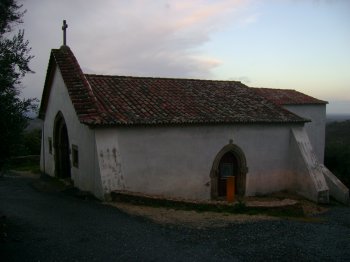
The chapel in the village of fields, dedicated to Santo Amaro, is a granite Temple of East\/West oriented rectangular plant. The main façade has a ported rectangular and in the elongation of the gable, a Bell Tower, decorated with volutes and surmounted by a Latin cross. Inside stands the high altar in gilt which houses religious imaginary.

Complexo Desportivo de Aljezur
- leisure
EN 120
8670, Aljezur
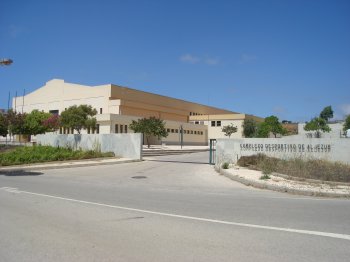
Sports complex comprising: a 400m2 wooden floored main pavilion, a synthetic floored gym, 10 changing rooms, a first-aid room and a multi-purpose room for meetings and themed gatherings. Sports that can be practised at this site include judo, body building, aerobics, and roller hockey, among others.
Fundação Arpad Szenes - Vieira da Silva
- art
Praça das Amoreiras, 56
1250-020, Lisboa
Placed at the former Real Fábrica dos Tecidos de Seda, in a building from the XVIII century, remodelled and adapted to shelter a museum and a documentation and investigation centre, the foundation, opened in November 1994, has as main purpose the divulging and study the works of the painters Arpad Szenes e Vieira da Silva.
Casa da Aldeia de França
- hotels
Rua do Cruzeiro
5300-541, Bragança
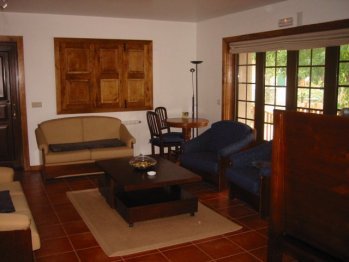
Very welcoming country house, situated in one of the main cores of the Montesinho Natural Park, beside the river Sabor. The location of this home boasts a bakery, with local confection of bread, sausage and restaurant industry. Composed of five rooms has fireplace, kitchen, heating and all conditions necessary for a comfortable stay.
Estátua Doutor Leão de Meirelles
- heritage
Praça Doutor Luís
4590, Paços de Ferreira
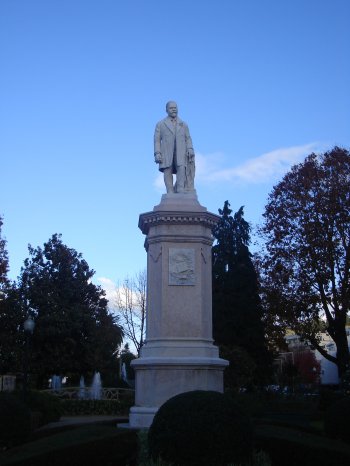
A statue that is a tribute to a main character of Paços de Ferreira. The republican (meaning pro-republic and against monarchy) doctor Leão de Meireles was a most influential figure in the parish after the Republic was declared. He was an administrator of the parish, president of the Town Hall, a deputee and a senator. This statue was inaugurated in March 1924.
Fontes de Mergulho de Benquerença
- heritage
Rua de Nossa Senhora da Quebrada
6090-335, Penamacor
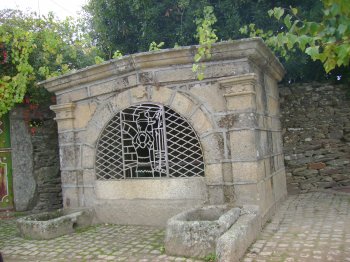
Set of three sources (originally there were four), built between the 16th century and the 17TH century. Are sources of diving with go back on main façade, giving access to the interior, where coverage appears in vault or flat coverage. One of the three sources presents more elaborate elements of Mannerist influence.
Igreja do Convento de Santo António dos Capuchos
- heritage
Rua Serpa Pinto
8000-431, Faro
The church of the Capuchos was built at the beggining of the 17th century and has a façade with arcades and a niche, which is charactristic of the Capuchos architecture. It has an important set of 18th century tiles in the main chapel, representing each step in Saint Anthony's life, and on the side walls, representing Saint Anthony's death and the descent of the cross.