Explore the best places
Heritage in Portugal


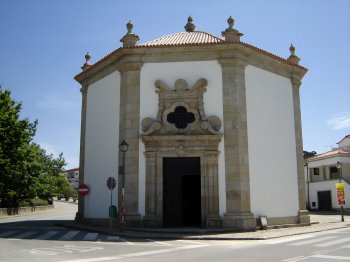
Capela do Senhor dos Milagres
- heritage
Praça Sarah Beirão
3420-326, Tábua
In this 18th-century church, the main door stands out for its decoration with pilasters and simulated corbels, topped by a quadrilobed oculus. Also noteworthy are the tall octagonal section and another rectangular section where the chancel and sacristy are located.
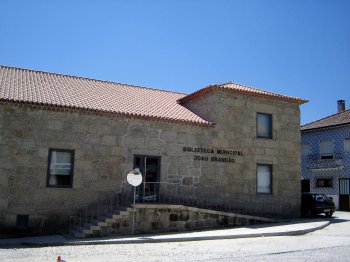
Edifício da Biblioteca Municipal João Brandão
- heritage
Rua Doutor Francisco Beirão, 3
3420-325, Tábua
This granite building formerly served as a courthouse, prison, town hall, and farmers' guild. Currently, it houses the Municipal Library. Of particular note is the 18th-century National Coat of Arms ornamentation.
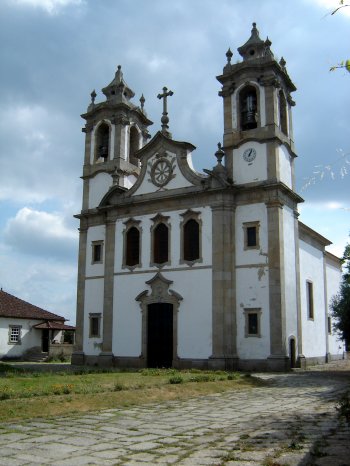
Igreja Matriz de Midões
- heritage
Rua da Igreja
3420, Midões
This church, dating from the 19th century, was erected in honor of Our Lady of Sorrows or of the Snows.
Passeio no Tejo
- heritage
Seixal
2840, Seixal
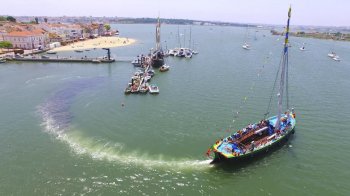
Tagus River cruises are offered year-round aboard the frigate boat "Baía do Seixal" and the traditional fishing boat "Amoroso". Once used for transporting goods between the banks of the Tagus estuary, both vessels are now used for sightseeing tours and other events, providing visitors with a unique view of Seixal and Lisbon. To book, simply contact the Seixal tourist office.
Quinta da Fidalga
- heritage
Avenida da República, 2571
2840-741, Seixal
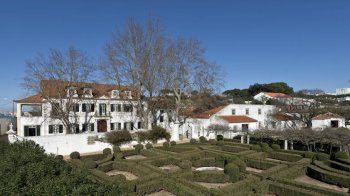
Quinta da Fidalga is distinguished by its tidal lake, a unique monument in Portuguese hydraulic architecture. Its origins date back to the 15th century, always associated with agricultural and leisure functions. It is said that Paulo da Gama, brother of Vasco da Gama, settled in the Seixal region to oversee the construction of caravels destined for the discovery of the sea route to India. Also noteworthy is the beautiful garden outside the house. The space is also part of the Manuel Cargaleiro Arts Workshop, an architectural project by Álvaro Siza Vieira.
Marginal do Seixal
- heritage
Avenida Silva Gomes
2845, Seixal
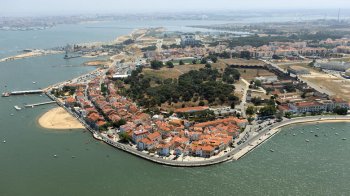
A riverside promenade stretching 14 kilometers across Seixal, Arrentela, and Amora. Along the shore, with the river as your companion, you can enjoy walks and the beautiful scenery that surrounds the entire area, while also practicing sports.
Ecomuseu Municipal do Seixal - Núcleo Naval
- heritage
Avenida da República
2840-741, Arrentela
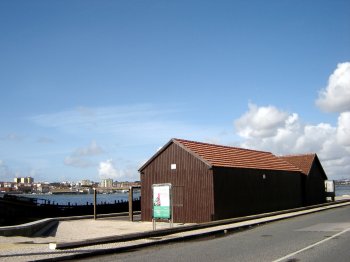
Located in a former shipyard, this space allows visitors to explore the workshop where traditional boat models from the Tagus River are built, and learn about the river and maritime heritage of the Tagus Estuary, especially its nautical heritage.
Olaria Romana da Quinta do Rouxinol
- heritage
Rua Rouxinol
2855-205, Corroios
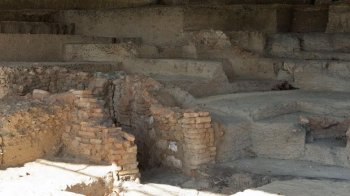
Only the lower part of the furnace of two pear-shaped kilns can be observed, with a small access corridor and three arches supporting the grate (which has since been demolished). Waste materials from the manufacturing process were found in two pits located south of the kilns.
Quinta da Trindade
- heritage
Avenida do MUD Juvenil
2840, Seixal
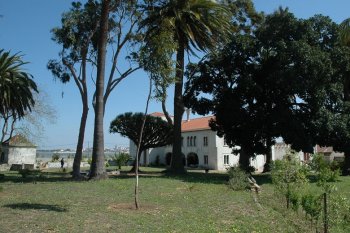
This 17th-century building has undergone later alterations. The tilework covering the staircases and rooms is particularly noteworthy. Throughout the building, one can also find 18th-century ceiling paintings and architectural elements from various periods, including remnants of statuettes from convents, monasteries, and churches that were abandoned after the suppression of religious orders in 1834. In the garden, there is a centuries-old dragon tree, a remarkable specimen of Dracaena graco. To visit Quinta da Trindade, it is necessary to make an appointment with the Educational Service of the Seixal Municipal Ecomuseum.
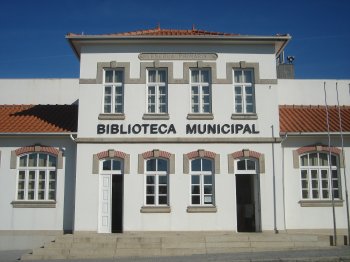
Biblioteca Municipal de Lousada
- heritage
Praça Doutor António Meireles
4620-650, Lousada
The library, housed in the former primary school, opened in 2003 and is part of the National Network of Public Libraries. It offers excellent facilities and a prime location in the city center.