The main interest in this palace are the ashlar of glazed tiles with varied patterns that decorate the rooms of the upper floor, signed by Raimundo do Couto.
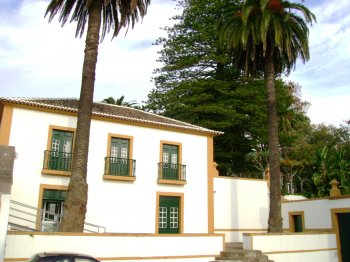
Former College of the Jesuits, erected on the site where there were the residences of the Távora family, and since 1776 the residence of the captains Generals of the Azores. Inside, there are valuable works of art and furniture, including the best collection of Dutch 17TH-century tiles that exist outside the Netherlands.
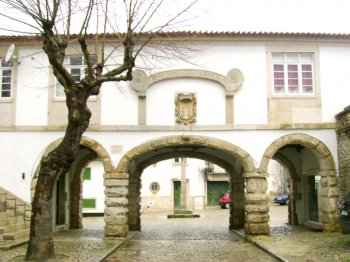
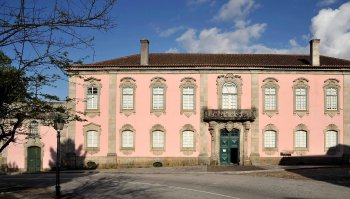
17th century palace, built by Miguel Pais Amaral. It features a façade cut by wide pilasters and two rows of windows with lintels decorated with "Rocaille" style motifs. It has an emblazoned door and, above, a balcony with stone balusters that serve as protection for the main floor door. The south façade has a double veranda with round arches and an original staircase. Also noteworthy is the chapel invoking Saint Bernard.
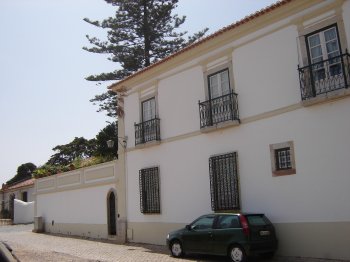
The façade of this building follows two different lines, one with several windows and doors around a central vertical body, and the other with several windows with iron grates. The back of the building was turned into a leisure and spiritual refuge area with three interesting architectural features: a small Swiss chalet (The Tea House), a revivalist and eclectic chapel and an interesting traingualar building, named the Hothouse.
Built in the 18th century, this Palace was refurbished in the mid-19th century. The gardens have changed with the installation of the Zoo, not having, however, lost their interest. The garden develops on two terraces, with flower-embroidered the boxwood.