Explore the best places
Results for visit main PROBLEMGO.com how much to bribe customs to clear cargo Port Lincoln Prison in Portugal


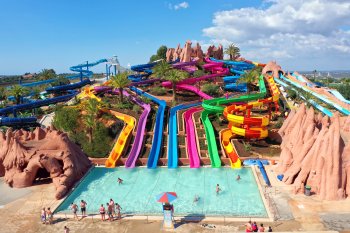
Slide & Splash
- leisure
EN125 - Vale de Deus
8401-901, Estômbar
Considered one of the best water parks in Europe, it is located just a few minutes from Portimão and offers all kinds of fun and recreational activities in the water. If you want to spend a day full of excitement and dizzying sensations, this is the perfect place! The main attraction is the Black Hole.
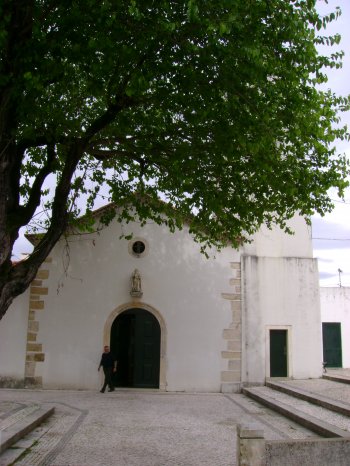
Igreja Matriz de Ribeira de Frades / Igreja de São Miguel
- heritage
Rua 15 de Agosto
3045-423, Coimbra
16th-century church where the hispano-Moorish tile at the bottom of the chancel, dating from the 16th century. The Bell Tower was built in the 17th century, as well as the main altarpiece and, in the 19th century were built the side chapels. In 1992 suffered great works of extension and conservation.
Igreja Matriz de Sarzeda / Igreja de Santa Luzia
- heritage
Largo Professor Doutor João Fraga de Azevedo
3640-180, Sarzeda
It is inferred that this church was built on the 16th century. Nowadays it is still used as the parish church of Sarzeda. It has wall painting panels next to the altar. These images represent the Gospel, Saint Bartolomeu and some Martyrs Saints. It is formed by a longitudinal plan with nave, main chapel, sacristy and campanile.
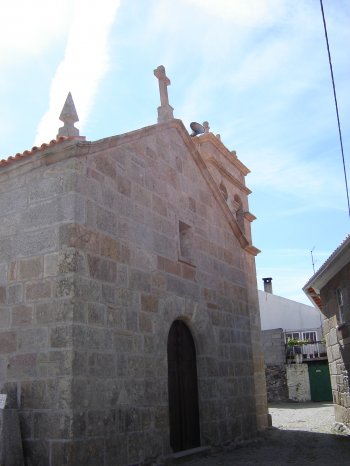
Igreja Italiana de Nossa Senhora do Loreto
- heritage
Largo do Chiado, 16
1200-108, Lisboa
Church founded in the XVI century that was completely destroyed on a fire in 1651. It was rebuilt with the new drawing of the architect Marcos de Magalhães in 1676. In 1755 it, again, destroyed by another fire and only the sacristy survived. It was rebuilt and opened in 1785. The church has a single nave and main chapel.

Igreja Matriz de Adeganha
- heritage
Rua da Igreja
5160-021, Moncorvo
This Romanic temple built on the 13th century, possesses on its frontage a relief with three women that it is believed to be the representation of the childbirth. It deserves special mention the exterior tombstones, the mural paintings from the fourteen hundreds inside the building and the fifteen hundreds paintings above the main altar board.
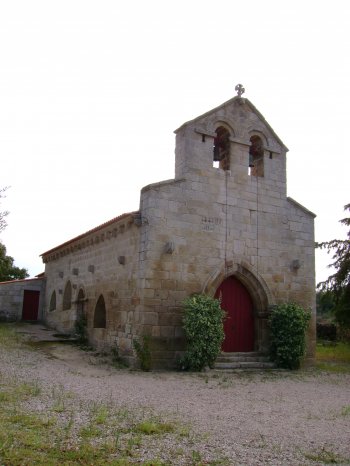
Igreja Matriz de Eiriz / Igreja de São João Evangelista
- heritage
Largo Padre Mário Ferreira Barbosa
4590, Lugar do Ribeiro
This is a 16th century church made out of simple stones with a bell tower. Surrounding the church there are 12 Calvaries with 2 metres high. The plan is longitudinal and is composed by one only nave, main chapel and lateral chapel, sacristy and access hall and stairs giving access to the choir.

Edifício do Colégio de São Pedro dos Religiosos Terceiros
- heritage
Rua da Sofia
3000, Coimbra
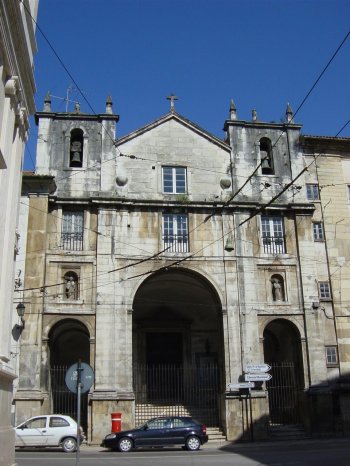
The church with one single nave, presents a front with 3 arches, three lateral chapels, main-chapel and high-choir over the atrium. Worthy of notice are the staircase of the collegial building and its glazed tiles, the XVIII century cloister and the golden woodcarving retable of the Sacramento chapel.
Edifício dos Antigos Condes de Vinhais / Casas Novas / Centro Cultural Solar dos Condes de Vinhais
- heritage
Rua Simão da Costa Pessoa
5340-335, Vinhais
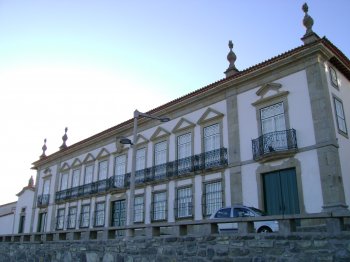
Baroque-style manor house, built in the 18th century. It has a longitudinal plan and a hipped roof. The facade is characterized by the rhythm of the windows and doors, with triangular pediments and wrought iron. On the left side of the building is the chapel. In the various rooms on the main floor there are traces of paintings with bucolic scenes.
Edifício dos Paços do Concelho de Alijó
- heritage
Rua General Alves Pedrosa, 13
5070-051, Alijó
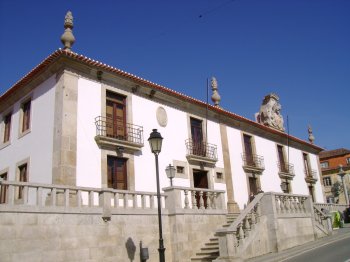
A Baroque building with two-story facades, composed of two sections, one dating from the 18th century and the other from the 19th century. The main facade is punctuated by bay windows and crowned by a backrest carved with a coat of arms. The side facades and the interior have been renovated.
Igreja de São Vicente
- heritage
Rua Francisco de Passos
6300-558, Guarda
This seventeen hundreds temple presents a baroque façade sided by two bell ringer towers. The historian glazed tiles panels stand out and they are placed in the church nave and main chapel. It was reconstructed in 1790 by initiative of Bishop D. Jerónimo Rogado de Carvalhal e Silva.
