Explore the best places
Results for visit main PROBLEMGO.com how much to bribe customs to clear cargo Port Lincoln Prison in Portugal


Igreja e Convento de São Francisco
- heritage
Largo de São Francisco
7860-007, Moura
Temple that demonstrates various mannerist, baroque and rococo details. As an example, the portal-reredos on the front stands out, which dates back to the early Baroque era. In the Rococo style, the carved altarpieces of the second chapel on the Gospel side, the chapel on the Epistle side and the main chapel stand out.
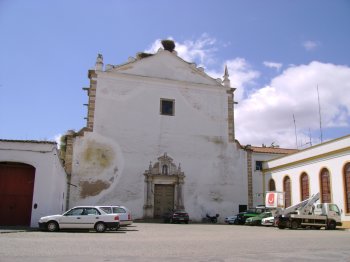
Igreja de Nossa Senhora da Conceição
- heritage
Largo da Infantaria, 21
6200-048, Covilhã
Nave church with a Baroque feature, façade of the late 19th century, and a Gothic portal. Inside, also include the gothic vaults decorated with starry warheads, the chapels for coffin and the 16th century Baroque carved the main altar. Stands out for its combination of Gothic, manueline and Baroque elements.
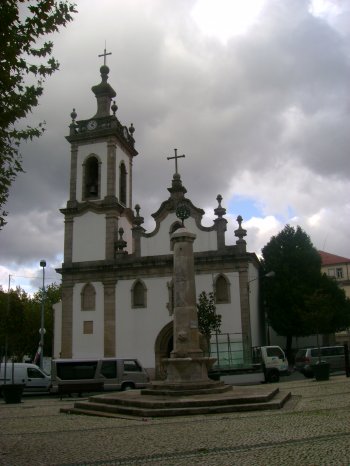
Igreja de Nossa Senhora da Conceição / Igreja Matriz da Póvoa de Varzim
- heritage
Rua da Igreja e Rua de São Pedro
4490, Póvoa de Varzim
Temple built in the second half of the 18th century, has a Baroque façade, with two bell towers to skirt around the central body. The portico is crowned by the Royal coat of arms. To emphasize the altars of gilt and the altarpiece of the main Chapel, in Rococo style, and even the two retables ship's double.
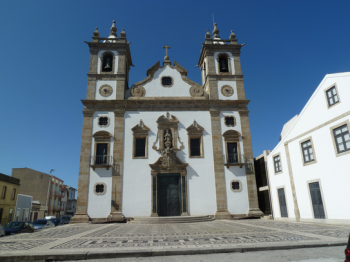
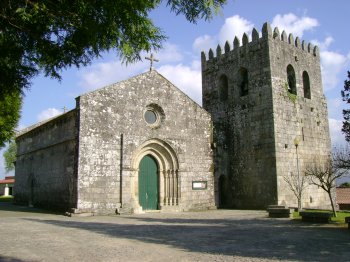
Igreja de Santa Maria de Abade de Neiva
- heritage
Rua da Senhora da Abadia, 186
4750-003, Igreja
This is a Romanic rural church but it has the doors and main chapel window already in Gothic style. It was founded in 1152 by Queen D. Mafalda. From the Romanic period it only maintains traces, namely the corbels and the portico with columns and decorated capitals. It possesses a rectangular tower and crowned by pyramidal merlons.
Igreja de Santa Maria do Castelo
- heritage
Rua Doutor Adriano Franco, 69
2530, Lourinhã
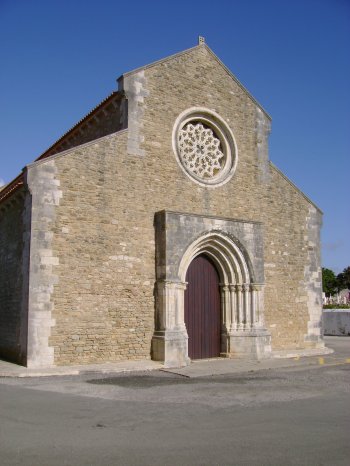
A Gothic temple whose decorative design extends beyond the church's structure. The main façade features a portal topped by a rose window. The three-nave interior features eight arches supported by columns with capitals decorated with phytomorphic motifs. A highlight is the Gothic-style holy water font.
Igreja de São Bento do Mato
- heritage
Estrada de Évora
7000, Évora
This church was reformed on the 12th century maintain the main chapel, the sacristy and flying buttress from the 16th century. On the inside stands out the two lateral altars in polychrome carving from the end of the 18th century and the tunnel vault apse in masonry covered with blue and white glazed tiles.
Igreja da Misericórdia de Alenquer
- heritage
Rua Maria Milne Carmo, 1
2580-389, Alenquer
A single-nave temple rebuilt in 1595 and renovated after the 1755 earthquake. Highlights include the blue and white checkered tiles, the 17th-century baptismal font (from the Várzea Church), the gilded carvings, the ceiling paintings with polychrome borders, the tombstones and ancient sculptures, and the paintings on the main altar.
Igreja da Misericórdia de Celorico da Beira
- heritage
Rua da Misericórdia, 11
6360-309, Celorico da Beira
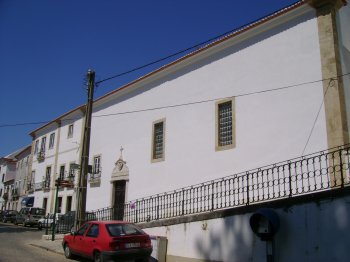
This church, built between the 17th and 19th centuries, features Baroque characteristics but with some Neoclassical touches. The main facade is divided into three wall sections separated by Tuscan pilasters, and also features a segmental arch portal with a double carved molding. Inside, the decoration, in plaster and painting, is noteworthy.
Igreja da Misericórdia de Trancoso
- heritage
Rua da Corredoura
6420-045, Trancoso
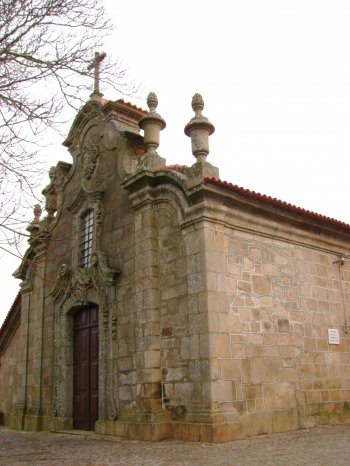
Late-Baroque church with a longitudinal plan consists of a nave, a chancel and two volumes adossados, where the House of the order and the sacristy. It was probably built between 1747 and 1792. In 1860, was installed a pharmacy in the building of the House of the order. In the interior, especially the altarpieces of gilt and ship to the neoclassical main altarpiece.

Foz do Rio Sado
- beach
- country
Foz do Rio Sado
2900, Setúbal
A wide estuary, with several areas of benches and swamps. It is separated from the sea by the peninsula of Tróia and it is composed by two main regions: the central bay of Setúbal and Marateca and the Alcácer channel. The inner part of the estuary is surrounded by rice fields and cane fields and the outter part is densely populated and industrialized.