Explore the best places
Results for Palácio da Pena in Portugal


Negalhos
- leisure
Coimbra
3000, Coimbra
O negalho é um prato típico que deriva de uma receita também muito conhecida desta região da Beira litoral: a chanfana. Consta-se que teve origem nas invasões francesas, quando o exército ocupante se viu confrontado com a fome e foi obrigado a aproveitar toda a carne, inclusivamente as tripas dos animais.
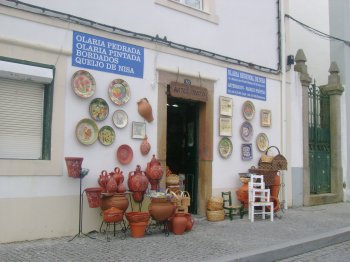
Olaria Regional de Nisa
- leisure
Praça da República, 53
6050-350, Nisa
Os desenhos nos barros, motivos florais simétricos, são riscados pelos oleiros no barro ainda fresco e preenchidos com pequenas pedras brancas. Este trabalho é feito, habitualmente, por mulheres. As peças mais conhecidas são as vasilhas para a água. A olaria de Nisa tem características que a distingue da restante olaria do país.
Toucinho-do-Céu do Convento de Odivelas
- leisure
Odivelas
2675, Odivelas
O toucinho-do-céu de Odivelas é um doce conventual, abundante em ovos e açúcar. A receita é uma herança das freiras bernardas, do Convento de Odivelas. Para além deste tradicional doce, destacam-se ainda a Marmelada de Odivelas, os Suspiros de Amêndoa, os Tabefes e os Esquecidos.
Zoo de Lourosa - Parque Ornitológico
- leisure
Rua do Parque
4535-071, Lourosa
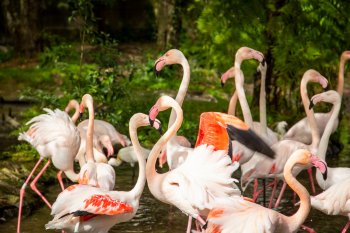
Created in 1990 and acquired by the Santa Maria da Feira City Council in 2000, the Lourosa Zoo is the only park exclusively dedicated to birds in Portugal. Education, preservation of endangered species, and research are the park's three main functions. Macaws, ostriches, swans, owls, flamingos, vultures, and other birds populate the park, while lush vegetation adorns the space, making it pleasant even on the hottest days.
DiMare Caffe
- beach
- food & drink
Avenida Gago Coutinho, 153
4405-565, Vila Nova de Gaia
Bar de Praia, com uma forte componente para noites em grande. Juntamos a praia, com o bom gosto de um espaço acolhedor. Seja para um copo ao final da tarde, seja para uma noite com os amigos e diversão interminável, o DiMare é sempre uma boa escolha.
Gin Lovers - Champagne & Gin Club
- food & drink
Rua Andrade Corvo, 40
4700-204, Braga
O Gin Lovers - Champagne & Gin Club é um Bar especializado em Gin's. Possuí uma vasta gama de produtos que vai muito para além do Gin. Oferece e dispõe de drink's para todos os gostos. O ambiente é a mistura perfeita da descontracção e diversão sem perder a elegância.
Termas de Nisa
- beach
- leisure
Lage da Prata - Fadagosa de Nisa
6050-201, Arez
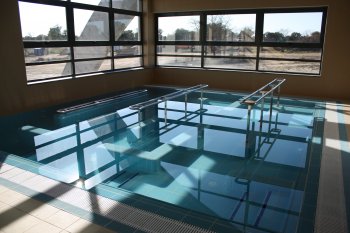
Once used freely by the population since the end of the 18th century, the Termas da Fadagosa de Nisa is today a modernly equipped thermal set. The Fadagosa spring is located 11 kilometers from the town of Nisa, and its waters are especially suitable for respiratory tract disorders, skin diseases and dermatological pathologies, physical medicine and rehabilitation, metabolic-endocrine diseases and rheumatic and musculoskeletal disorders.
Museu da Cooperativa Agrícola
- heritage
Rua da Lapa, 293
4480-757, Vila do Conde
Criado pelo estudioso Elísero Pinto, o Museu da Cooperativa Agrícola apresenta ao público um conjunto de alfaias agrícolas, entre as quais se encontram os Jugos – utensílios para aparelhar o gado –, trajes de lavoura, e ainda objetos domésticos utilizados pelas comunidades rurais, de onde se destacam as peças de cerâmica.
Museu de História Natural e da Ciência da Universidade do Porto
- heritage
Praça de Gomes Teixeira
4099-002, Porto
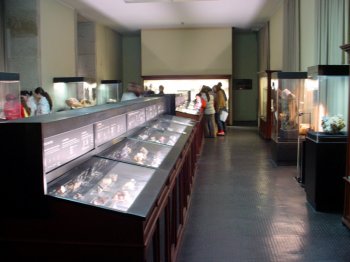
The Museu de História Natural is part of the Faculdade de Ciências da Universidade do Porto (Faculty of Science of the Porto University). It was created in 1996 and has several poles of other museological nucleus of former institutions. This museum has three rooms open to the public, the mineralogy room Montenegro de Andrade, the palaeontology room Wenceslau de Lima and the archaeology and pre- historic Mendes Côrrea.
Baía da Barca
- hotels
Lugar da Barca
9950-303, Madalena
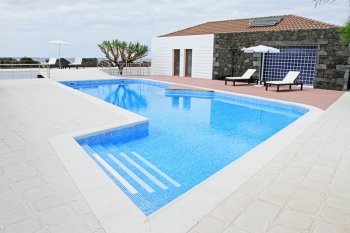
All apartments have a private entrance and delight by the refinement of the decoration, but mostly by balconies and terraces. The fireplace is another charm offered by Bay da Barca, a safe haven from which to explore all the magic of the island of Pico. Swimming pool, jacuzzi and sauna are other equipment made available to the visitor.It is an eco-friendly space, whose concern for the environment have earned him international recognition.