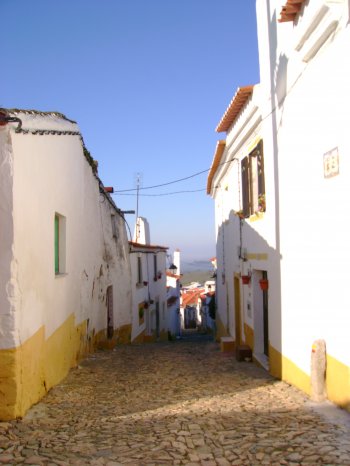
A typically Alentejo village, it has one of the largest Rossios squares of the Portalegre district, with an amphitheater located in the garden. At a cultural level, the highlights are the 16th century pillory, the 16th century church of Espírito Santo, with later modifications, the church of Nossa Senhora das Candeiras, the Church of Misericórdia and the cruise.
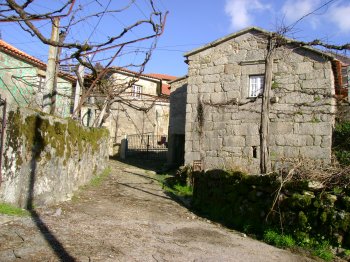
A mountain village with old granite houses, cobblestone streets, culm rooftops and espigueiros (small cereal warehouses), many of which with sun clocks. Due to its isolation, this village still has some communal customs.
A medieval small town by the Saint João brook, it had its first charter in 1180. It was the birth place of Garcia de Orta, where he started practising medicine. The cultural heritage of Castelo de Vide includes the castle and the medieval town, both national monuments, the old residencee of the Marquis of Alvito, the cloyster of the members of the Order of "Trinitários" and Franciscan, the medieval jewish burough and sinagogue, the town's fountain and several megalithic monuments. The thermae and the hunting zone located nearby attract many tourists. There is also a dam and a horse riding …