Explore the best places
Results for proceed to portal PROBLEMGO.com pay for early release from jail HMP Berwyn in Portugal


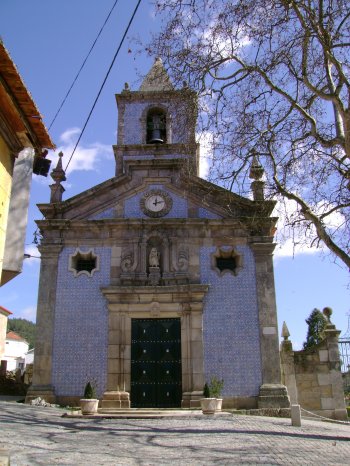
Igreja Matriz de São Mamede de Ribatua
- heritage
Praça António Agrelos
5070-477, São Mamede de Ribatua
This construction is from the second half of the 18th century, where it stands out the portico topped by a niche and the bell tower in the façade centre. A watch occupies the tympanum on the pediment. Inside the chapel there is a nave with a main chapel, both with wooden vaults. It also stands out the low relief in plaster done by Teixiera Lopes placed above the baptismal font.
Igreja Paroquial de Casal de Loivos / Igreja de São Bartolomeu
- heritage
Rua de São Bartolomeu
5085, Casal de Loivos
Church of Mannerist, Baroque and Rococo architecture. Consists of nave and chancel closer. In the lateral façades adossa the Bell Tower, dating from the 18TH century and the sacristy. Features, inside, chorus-alto, pulpit in the Gospel-side, side altarpieces in Mannerist integrated into rear structure and main Rococo altarpiece, as well as the ship's cover paintings on wood, and the chancel.

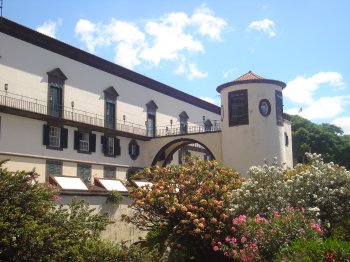
Fortaleza e Palácio de São Lourenço
- heritage
Avenida de Zarco
9001-902, Funchal
The name "Palácio de São Lourenço" refers to a monumental ensemble that comprises the Fortress, begun in the first half of the 16th century and completed in the Philippine period, and the Palace itself, comprising the halls on the noble floor dating from the last quarter of the XVIII century and the interior gardens. Currently, it is the official residence of the Minister of the Republic for the Madeira Autonomous Region.
Igreja Matriz de Castanheira do Ribatejo
- heritage
Largo de São José
2600-683, Castanheira do Ribatejo
In the Church main facade it stands out the Renaissance gate with striated shaft column, a perfect arch and medallions with heads in relief overcome by Coat of Arms. The inside has one only Nave lighted through holes. The walls are covered with tiles from the XVI and XVII centuries. The Renaissance triumphal arch and the main Reredo have to be enhanced.
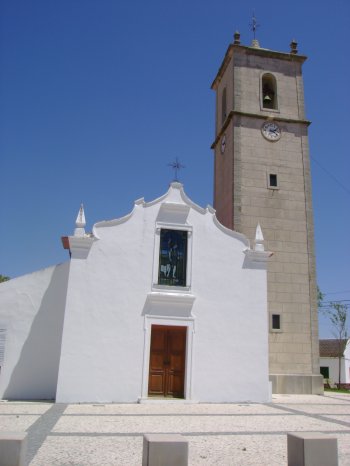
Igreja Matriz de Casével / Igreja Paroquial de Casével
- heritage
Largo da Praça
7780-020, Castro Verde
Mannerist and Baroque Temple, built on a 14TH century temple. Presents a single ship with a chancel and side chapels. The façade was heavily remodelled in the 18th century and the Bell Tower was built between 1954 and 1955. Especially the Head-reliquary of Saint Fabião, piece of jewellery from the 13th century, the popular tradition Associates to cure the evils of cattle.
Cruzeiro e Alminhas de Freixieiro de Soutelo
- heritage
Cruzeiro
4925-362, Cruzeiro
Crossroads cruise probably built in the 15th or 16th century, dating back to the 19TH century shrine. The cruise consists of a pedestal box, a circular shaft, a spherical capital and a Latin cross. The shrines have a range from downed arch flanked by Tuscan pilasters, with cornice topped by a shell where you see a panel of Christ crucified.
Edificio das Oficinas Gerais do Caminho de Ferro
- heritage
Rua Miguel Pais
2830-356, Barreiro
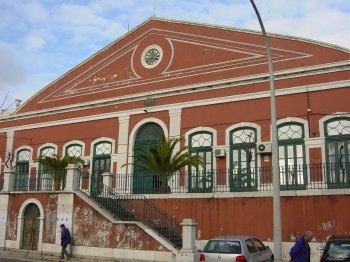
A large building of 1864 where the CP (train company) main ateliers function. Until 1933 it was the main river station of the CP, where the trains arrived and from here the connection by sailsboat to Lisbon was made. It has an imposing main façade, an old clock and a plaque that shows its construction date. It is currently a hangar where the trains are repaired.
Edifício dos Paços do Concelho de Borba
- heritage
Praça da República
7150-249, Borba
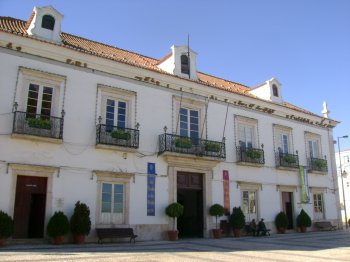
It was in the course of an urban reorganization process, in the late 18th century that these Steps were built by the military engineer José Álvares de Barros. Inside you can see a brutal white marble staircase and black, plus rooms with ceilings painted. The tiles from the Factory Widow Lamego representative of the battle of Montes Claros is 20TH century.
Edifício na Rua de São Miguel
- heritage
Rua de São Miguel, 2-4
4050-559, Porto
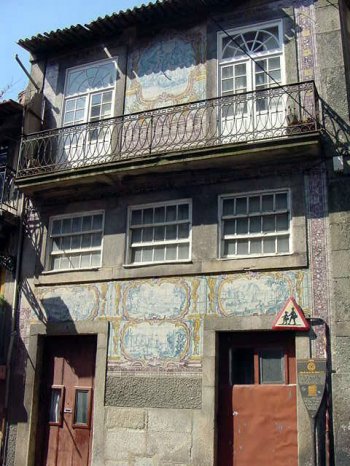
This beautiful house is placed on a street known for its characteristic architectonic harmony. Here are represented the XVII, XVIII and XIX centuries, with a nice show of the Porto’s architectonic atmosphere. On this building, the façade covered with azulejos panels from the second half of the XVII century stands out. This azulejos (tiles), made in Lisbon, describe episodes of the Holy Mary’s life.
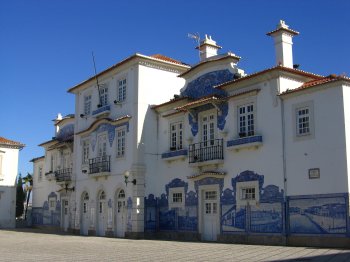
Fachada da Estação de Aveiro
- heritage
Largo da Estação
3800-179, Aveiro
Building covered with tile panels from the Fonte Nova Factory (1916), which reproduce information on the main monuments of the region and the country. They have an exceptional quality, not only for their artistic quality but also for their informative and pedagogical quality. It dates back to the 19th century and, despite its modernist style, follows the typology of the so-called "Portuguese House".