Explore the best places
Results for Mosteiro dos Jerónimos in Portugal


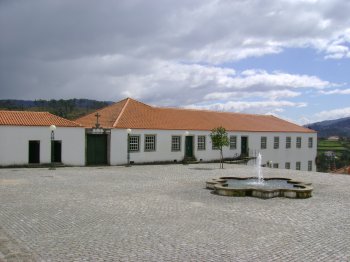
Mosteiro de Grijó
- heritage
Alameda do Mosteiro Grijó
4415-998, Vila Nova de Gaia
The primitive monastery, called Monastery of São Salvador de Grijó, was founded in 922 in the place of Muraceses. It was only in the year 1112 that it was moved to its current location. In 1770 the convent was extinguished, passing its assets to the Convent of Mafra. Of note are the gilded carvings and the 18th century tiles in the chancel, as well as the pipe organ, from the end of the 18th century and beginning of the 19th century. Also noteworthy is the tomb of D. Rodrigo Sanches, classified as a National Monument.
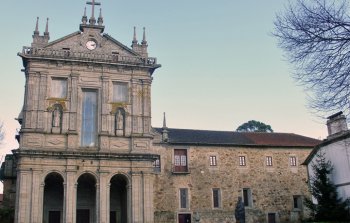
Mosteiro de Landim
- heritage
Quinta do Mosteiro
4770-328, Landim
This Convent was donated to the Canons regular of Augustinian Rule was sacred on the 16th century after some renovations. In 1562 it started to belong to the friars from Santa Cruz de Coimbra convent and was extinguished in 1770. This construction is under the renaissance style and it has some important features from it, such as the church, the Monastery house and all the land inside of the fence.
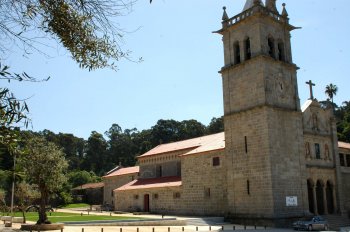
Mosteiro de Pedroso
- heritage
Largo do Mosteiro
4415-254, Pedroso
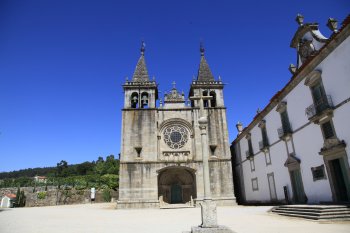
A stone monastery with two towers and a garden surrounding it. The granite façade, the gothic coat of arms, the Romanesque baptistery and the medieval tower stand out. The collection of 20 images, namely those of Saint Peter and Saint Michael, deserve a close look.
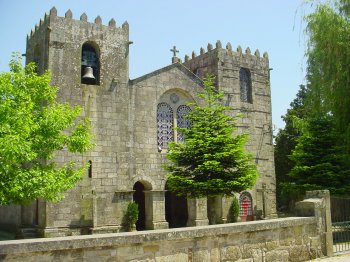
Mosteiro de Pombeiro
- heritage
Lugar do Mosteiro
4610-640, Pombeiro de Ribavizela
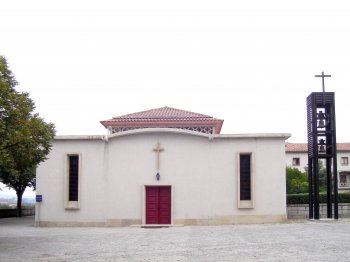
Founded in 1059 according to popular tradition, although the oldest documentary reference dates back to 1099, the Monastery of Pombeiro enjoyed privileges and justice of its own as early as 1112, as evidenced by the Charter of Couto granted on that date by D. Teresa. This monastic institution has been documented since 853, which makes it one of the oldest in the territory, although there is no material evidence of its first establishment. Located at the intersection of two of the main roads of medieval times, one that connected Porto to Trás-os-Montes and a second that connected Beira to Alto …
Mosteiro de São Bernardo
- heritage
Avenida George Robinson
7300-070, Portalegre
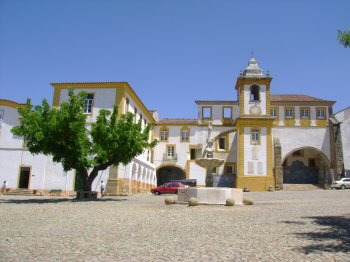
Built in 1530, the temple underwent several alterations, mainly during the 18th century. From the original design, it retains the giants that support the main chapel. It features a round-arched portico with cherubs. Inside, one can see the tomb of Jorge Melo, dating from 1540, one of the most sumptuous in Portugal.
Mosteiro de São Vicente de Fora
- heritage
Largo de São Vicente
1100-572, Lisboa
The convent of São Vicente, founded in 1147, was delivered to the observing canons of Santo Agostinho. In 1582 the primitive building was destroyed and the construction of the new church began, being the first mass celebrated in 1629. It later suffered other changes.