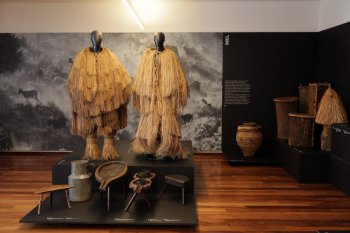
Explore the best places
Heritage in Portugal


Sé Catedral de Lamego
- heritage
Largo da Sé
5100-098, Lamego
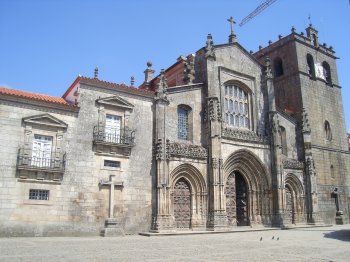
Built in the 12th century, the church features a Manueline façade and a Nasoni structure. It underwent several modifications, particularly in the 16th and 18th centuries. The interior, with three naves, features side chapels with 18th-century carvings, a transept with a central lantern, altarpieces, paintings, and a choir stall. The church, divided into three naves and a transept, is adjoined by the chapter house, the cloister, and other outbuildings. Opposite are several outbuildings and the Romanesque bell tower.
Museu de Lamego
- heritage
Largo de Camões
5100-147, Lamego
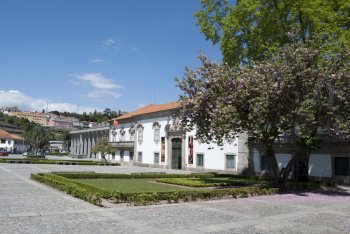
Housed in the city's former Bishop's Palace, this museum was established in 1917. The most notable feature of the museum's collection is its eclecticism. The collection is primarily from the 18th century, spanning the period from the 1st century to the present day, with a clear emphasis on the Renaissance period. Highlights include the Flemish tapestries and paintings by Vasco Fernandes. The Gothic transept located here is classified as a Property of Public Interest.
Ermida de Santo António
- heritage
Ladeira de Santo António
6120, Mação
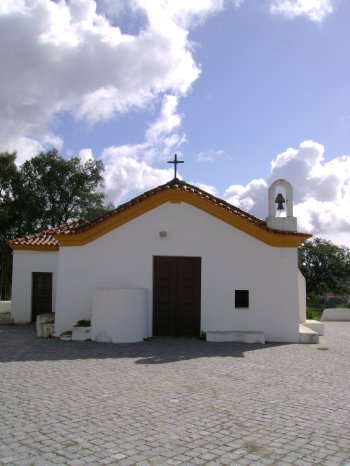
The chapel was probably built in the 16th century and later underwent renovations in the 17th century. The interior features tile coverings dating from 1642.
Igreja Matriz de Nossa Senhora da Conceição
- heritage
Largo de Santo António
6120-731, Mação
This church was built by Philip II in 1597. It consists of three naves, with Tuscan columns and a Latin cross plan. Notable features include the tiles on the triumphal arch and the historical panels from 1644.
Castelo Velho do Caratão
- heritage
CM1267
6120-702, Mação
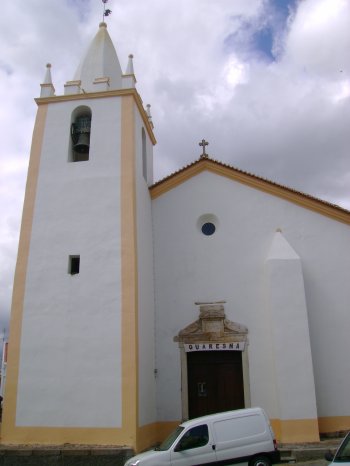
A Neolithic defensive hillfort, likely rebuilt and reoccupied by the Romans until the 1st century. In 1160, Dom Afonso Henriques donated it to the Templars, who were to have built a castle there. However, this never came to fruition.
Estação Arqueológica Romana de Vale de Junco
- heritage
Ortiga
6120, Mação
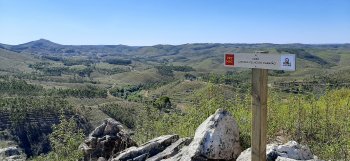
Ancient Roman bathhouse consisting of two floors. Notable features include the atrium, flanked by the apodytherium and frigidarium, the tepidarium, and the caldarium. Part of the pipework that brought water from the nearby Eiras River and part of the walls remain.
Museu de Arte Pré-Histórica e do Sagrado no Vale do Tejo
- heritage
Largo Infante D. Henrique
6120-750, Mação
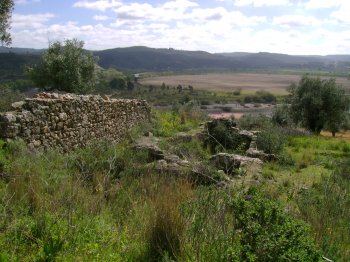
Museum dedicated to the spiritual and symbolic manifestations of the sacred: from prehistoric fertility rituals to the megalithic cult of the dead, including medieval sacred art.
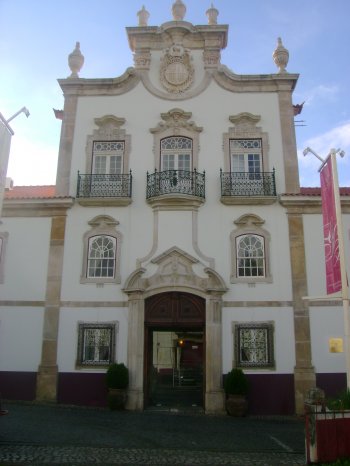
Casa dos Salazares / Casa da Viscondessa do Espinhal / Palácio dos Viscondes do Espinhal
- heritage
Rua Viscondessa do Espinhal
3200-257, Lousã
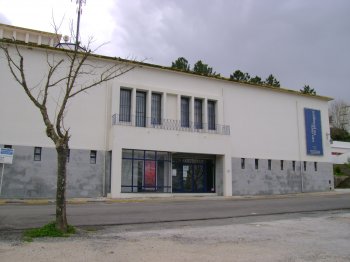
An 18th- and 19th-century building with neoclassical decor. The central section, raised by an additional floor, is topped by a coat of arms and crowned by pinnacles. It currently houses a hotel.
Santuário de Nossa Senhora da Piedade
- heritage
Cabo do Soito
3200, Lousã
Sanctuary composed of four chapels: Chapel of Saint John (15th century), Chapel of Our Lord of Agony (19th century), Chapel of Our Lady of Mercy (probably 17th century), and Chapel of Our Lord of the Afflicted. These chapels were built one at a time, between the 15th and 19th centuries. Their interiors preserve sculptures, such as the painted limestone one of Saint John the Evangelist and the one of Our Lady of Mercy, the latter of which is often brought out on procession days.

Museu Etnográfico Doutor Louzã Henriques
- heritage
Rua João Luso
3200-201, Lousã
This museum features a diverse, nationwide ethnographic collection, including agricultural implements and hitching systems. It is divided into several sections, including pig slaughter, pottery, mountain cuisine, bread, olive oil, blacksmithing, linen, and shoemaking.