Lousã
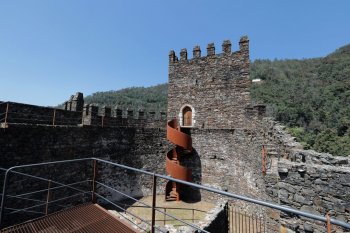
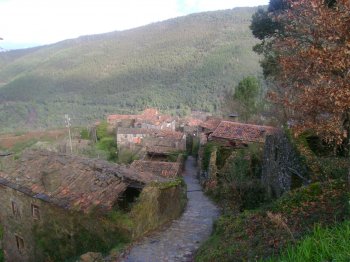
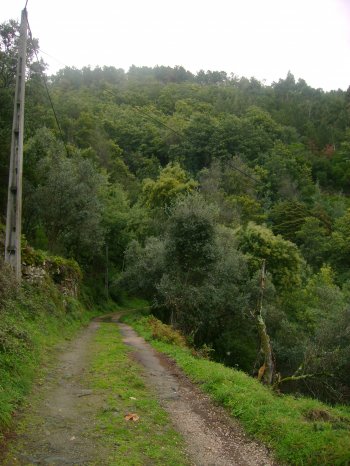
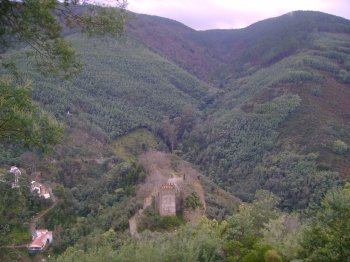
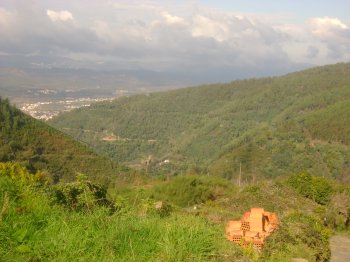
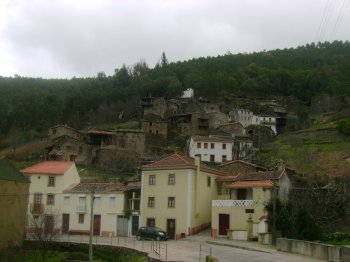
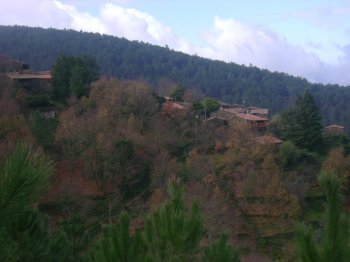
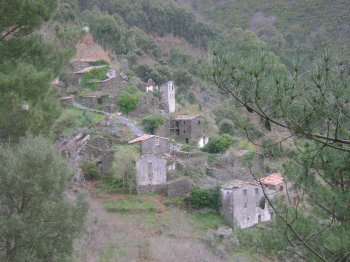
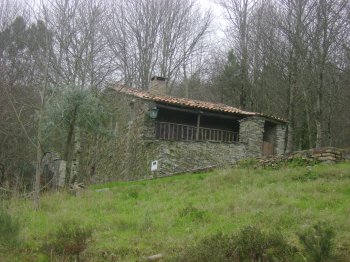
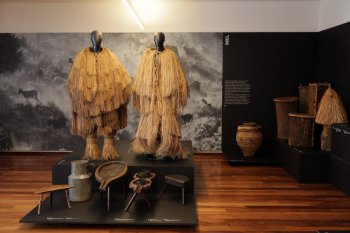
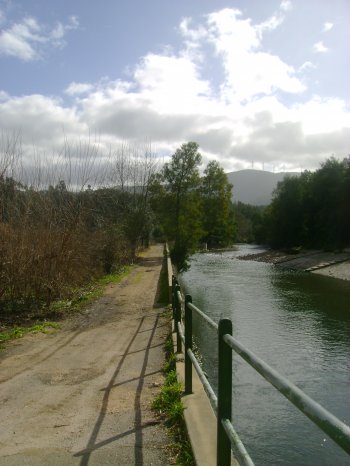
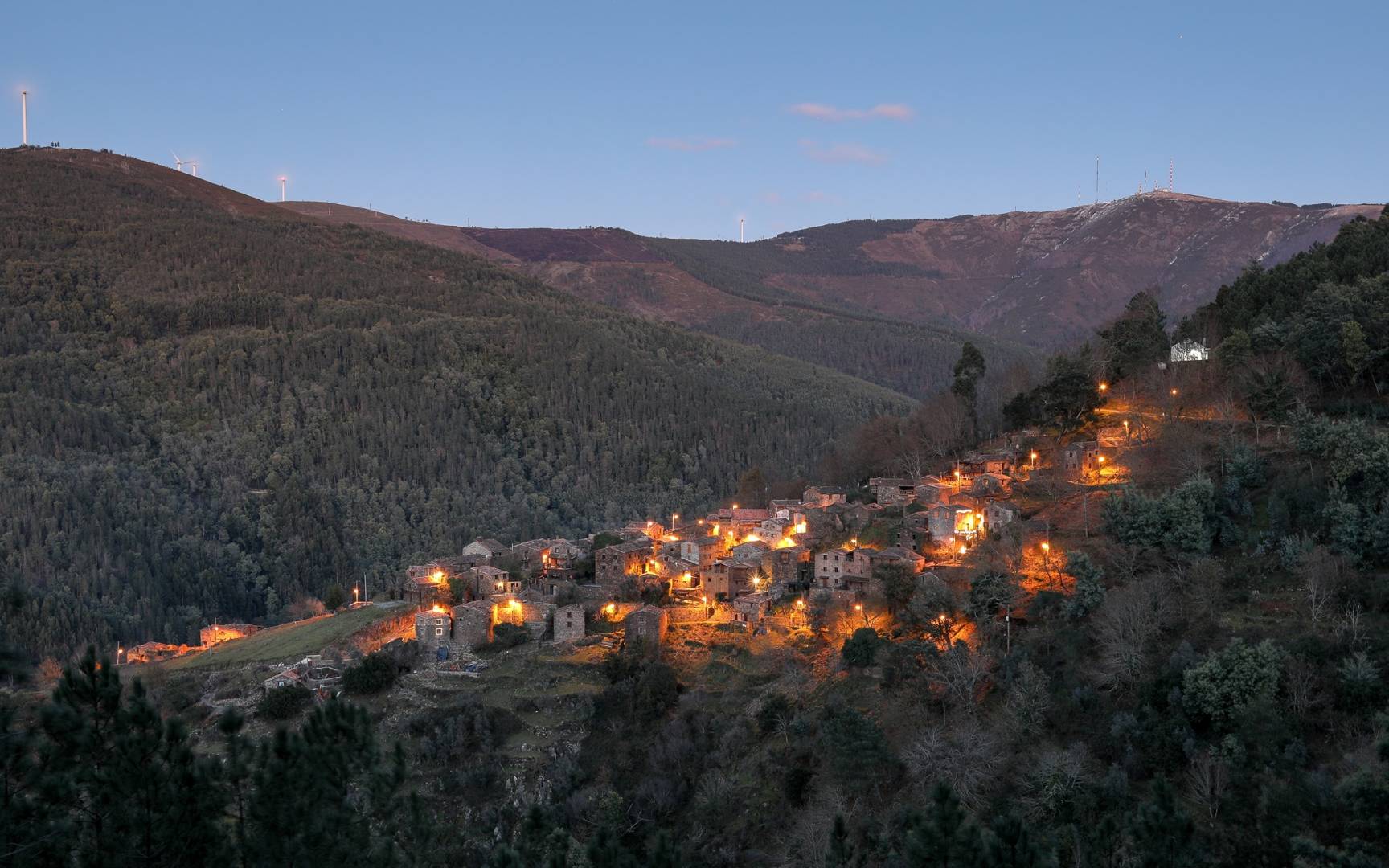
Much of the municipality of Lousã is covered by the Serra da Lousã, characterized by steep slopes and unevenness, streams, dense vegetation, hidden schist villages, and other secrets. Its highest point is Trevim, at 1,204 meters, offering breathtaking views. The main activities of the population, besides industry, are agriculture, forestry, livestock farming, and beekeeping. Beekeeping is, in fact, one of the most significant, as honey from Serra da Lousã is a certified product and has a PDO (Protected Designation of Origin). The cuisine includes the famous "chanfana", "tibornada", "sardinhas albardadas" (a type of sardines) and, among the sweets, "tigelada lousanense" or "serranito", a sweet made with honey and chestnuts that is highly sought after and appreciated.
What to do in Lousã





Where to eat in Lousã
Portuguese
7.00 €
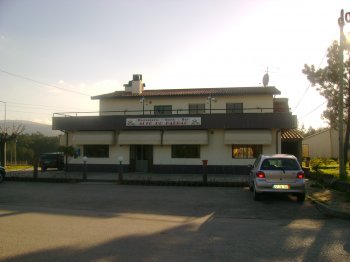
A large, simple and familiar space, that serves traditional Portuguese dishes.

Portuguese
6.00 €
A simple and familiar space that specializes in barbecue dishes and other traditional Portuguese di…
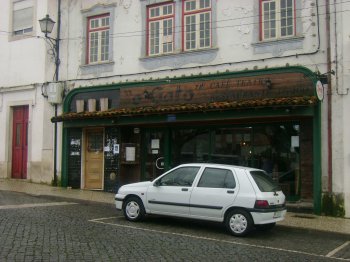
Portuguese
8.00 €
A peculiar space for the cultural enhancement of Lousã with activities such as poetry readings, in …
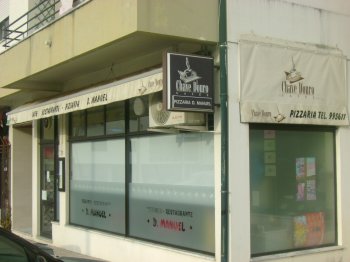
Italian, Portuguese
9.00 €
A familiar and welcoming space that serves some Italian specialities, namely pizzas.
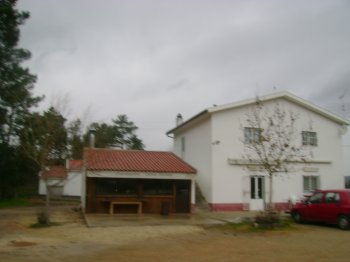
Portuguese
12.00 €
A rustic space located in an old house. It serves regional and national dishes.
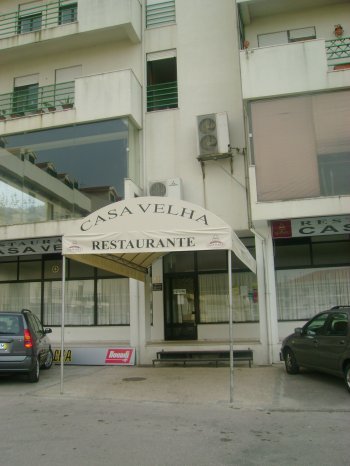
Portuguese
12.00 €
A large and rather pleasant space that serves fine traditional Portuguese dishes.
Where to sleep in Lousã
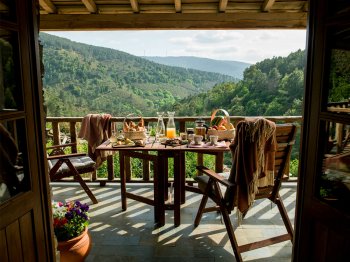
Este alojamento dispõe de nove casas tradicionais de xisto, remodeladas de forma sustentável, uma construção ecológica num ambiente natural paradisíaco. Cada c…
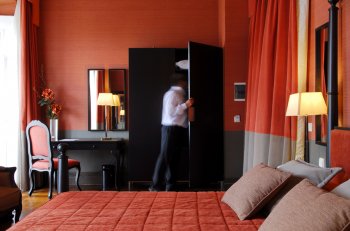
4 star
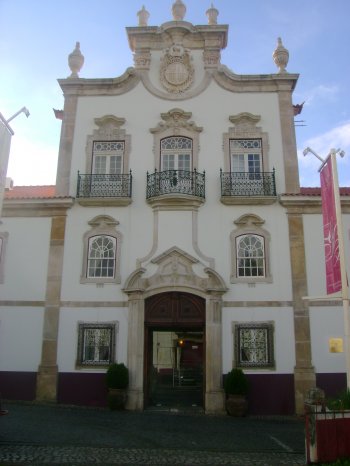
Charm and refinement. In Palácio da Lousã, the first boutique-hotel to open doors in Portugal, will get lost in the many tasteful details that populate the for…
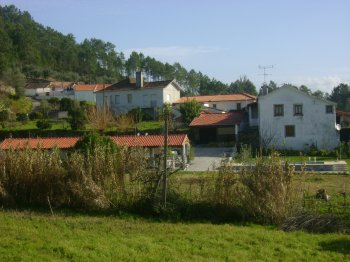
This former farm house presents today a set of two 18TH century houses: Casa d ´ Grandmother and the House of the oven. Feature living room with fireplace, kit…
Near Lousã
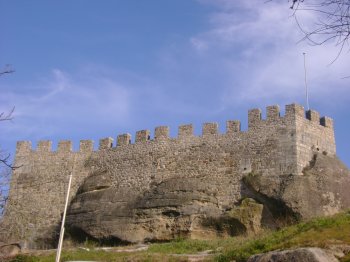
Penela
Located in the center of the country, Penela is the southernmost municipality in the district of Coimbra, bordering Ansião, Figueiró dos Vinhos, Cond…
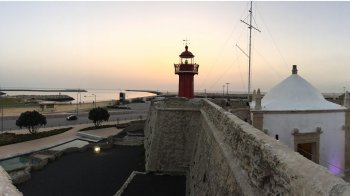
Figueira da Foz
Known as the “Queen of the Silver Coast”, its beautiful and extensive beaches attract tourists from all over the world, also seduced by the Casino, h…
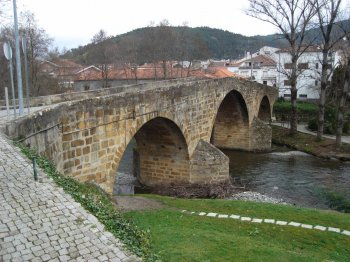
Góis
Góis is a small rural municipality 40 kilometers from Coimbra. It is located in the Ceira valley and existences for more than eight centuries. The 16…
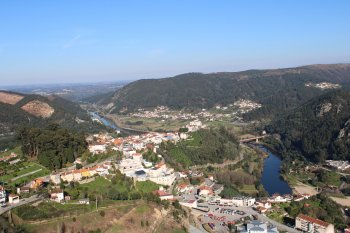
Penacova
The municipality's toponym derives from the combination of the term “pen” and “cova”, the first of which gave rise to the Portuguese word "penha" (hi…