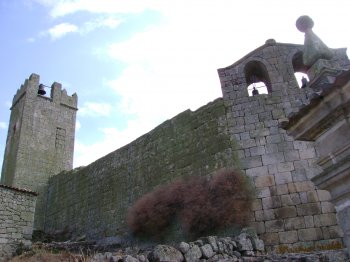
Explore the best places
Heritage in Portugal


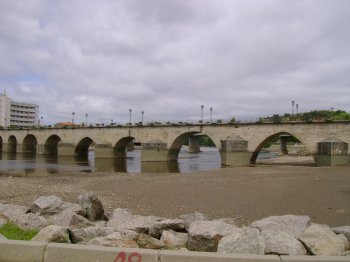
Passeio na Zona Ribeirinha de Mirandela
- heritage
Mirandela
5370, Mirandela
A very pleasant area for strolling, starting with the garden next to the bridge. Continue your walk past its floating pier and the waterfront, enjoying the magnificent views. The Romanesque bridge, with its twenty arches, deserves special attention. If you choose to cross this bridge, on the other side you'll find a pleasant leisure area with a playground, mini-golf, a tennis court, and a restaurant.
Castelo de Mirandela
- heritage
Rua do Arco
5370-408, Mirandela
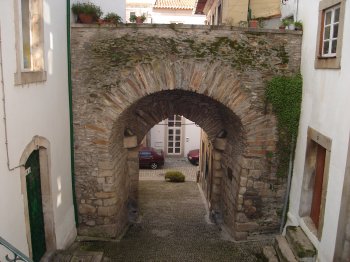
Only a few remains of this castle remain. From the original castle, the Santo Antônio Gate is visible, consisting of two thick walls, over which sits an arch with a broken outline on the outside and a perfect arch on the inside. Above the gate are traces of the original battlement, now transformed into a terraced house. Small sections of the wall also remain.
Solar dos Condes de Vinhais
- heritage
Praça 5 de Outubro
5370-284, Mirandela
An 18th-century mansion with a longitudinal plan, it consists of three distinct sections, separated by the main body. In the center of the building, atop the central section, is the coat of arms of the Counts of Vinhais. The stonework is also notable. It served as the headquarters of the Portuguese Youth and the Portuguese Legion from 1959 onwards and housed the Institute of Employment and Professional Action between 1975 and 1992.
Paço dos Távoras
- heritage
Praça do Município
5370-288, Mirandela
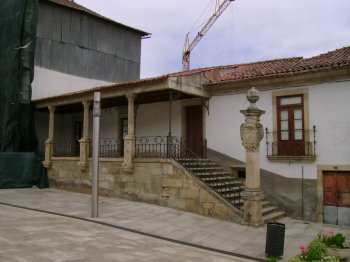
A 17th-century palace with three sections: a two-story central section and two single-story side sections. The stonework on the doors and windows is particularly noteworthy. Inside, a tile panel dating from 1956 depicts the city's coat of arms stands out. Currently, it houses the Mirandela Town Hall.
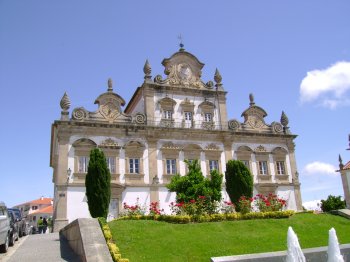
Museu Municipal Armindo Teixeira Lopes
- heritage
Rua Coronel João Maria Sarmento Pimentel, 168
5370, Mirandela
A museum dedicated to contemporary visual arts, exhibiting works by 286 Brazilian and international artists, represented by 460 works of art. In addition to works by Armindo Teixeira Lopes, the exhibition also features works by Vieira da Silva, Almada Negreiros, João Cutileiro, Artur Bual, Graça Morais, Abel Manta, Júlio Pomar, and Nadir Afonso, among others.
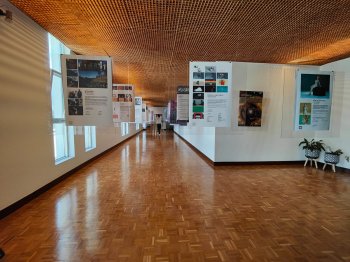
Ponte Românica sobre o Tua
- heritage
Mirandela
5370, Mirandela
Stone bridge, also known as Ponte Velha, consists of a flat deck supported by 20 unequal arches, approximately 232 meters long. It stands over the Tua River, connecting the two parts of the city of Mirandela. It was initially built by the Romans for the passage of troops and ore, and was later rebuilt in the 16th century.
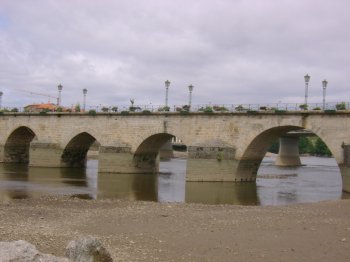
Solar dos Sampaio e Melo / Solar do Morgado do Rabaçal / Casa do Redondo
- heritage
Rua Doutor Eurico Afonso Inocêncio
6430-351, Rabaçal
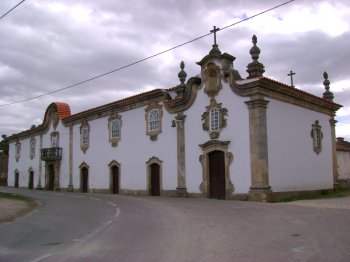
A late-Baroque mansion believed to have been built in 1759, it underwent renovations in the 21st century. It features a regular U-shaped and L-shaped plan on the second floor, leading to a courtyard adjoining other structures.
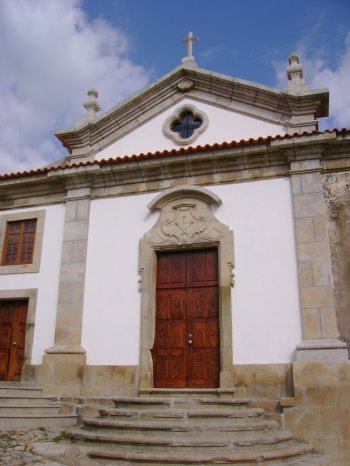
Quinta da Areeira / Solar dos Cancelos / Solar dos Seixas
- heritage
Rua Cancelos do Meio
6430-334, Poço do Canto
Baroque farmhouse consisting of a residential house and a chapel integrated into the façade. Built in 1748 by order of Manuel de Seixas Moutinho, it features a longitudinal plan with a hipped roof.
Sítio Arqueológico do Vale do Mouro
- heritage
Coriscada
6430-051, Coriscada
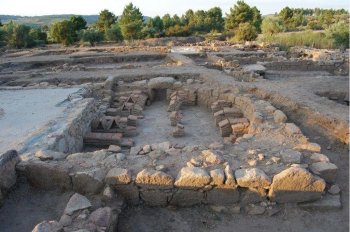
The target of several archaeological campaigns, the Vale do Mouro site has revealed a seven-thousand-year-old Neolithic settlement and a surprising Roman village, when it was thought the site had only been occupied in the third and fourth centuries AD. Silica and quartz flakes were found from the Neolithic period, while a mosaic panel, a unique find in inland Portugal, and a treasure trove of approximately 5,000 coins were discovered in the Roman bathhouse area. The Coriscada Sociocultural Center hosts a permanent exhibition dedicated to this site, the full significance of which remains to be seen.
Castelo de Marialva
- heritage
Marialva
6430-081, Marialva
Classified as a National Monument in 1978, the castle that dominates the Historic Village of Marialva from atop a cliff likely dates back to the 12th or early 13th century, when King Sancho I promoted the settlement of the region. In 1286, King Dinis established one of the many fairs held during his reign there, so the oval shape of the walls surrounding the village, characteristic of the Gothic city perimeter of fortified towns in the Late Middle Ages, likely dates from this period. Although quite ruined, they maintain their original layout, and the three original gates can still be …