Explore the best places
Heritage in Portugal


Museu da Chapelaria
- heritage
Rua Oliveira Júnior, 501
3700-204, São João da Madeira
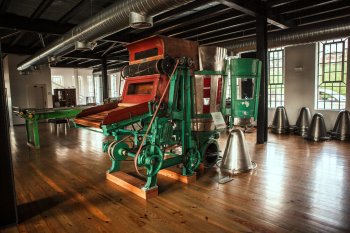
The Hat Museum is a space whose primary objective is to preserve the art of hat making, once renowned and a symbol of the municipality, with facilities that include a documentation center containing approximately 30,000 documents from the Industrial Hat Company and the Vieira Araújo Company, as well as felt and hat manufacturing machines, office supplies, samples, raw materials, and furniture.
Igreja do Bom Jesus
- heritage
Estrada Padre Casimiro Freitas Abreu
9240, Igreja
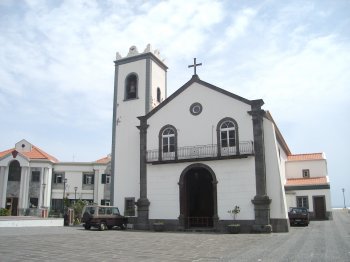
A church in a rural location, by the sea, facing the sea to the north, surrounded by mountains. The altarpieces are of neoclassical white and gold carved wood, and the sacristy preserves Baroque elements.
Capela de São Vicente
- heritage
ER101, 78 - Avenida Marcos Marques Rosa
9240, Calhau
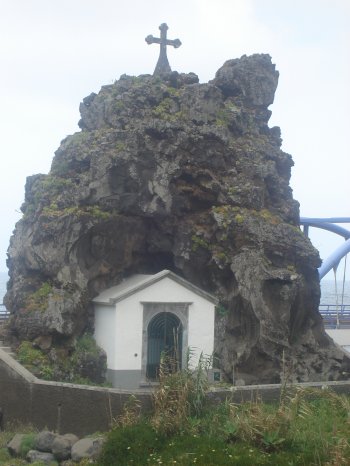
A very small chapel with simple lines, nestled into a higher rock formation that protects it from the sea. It is one of the landmarks of São Vicente.
Capela dos Reis Magos
- heritage
Rua Engenheiro João Fidélio de Canha
9240-121, Ponta Delgada
Chapel with simple lines on the exterior and richer interior decoration. A highlight is the altarpiece with three paintings depicting the Adoration of the Magi, Saint John the Baptist, and a bishop of the Church.
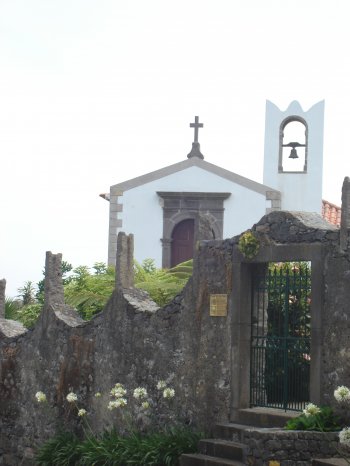
Igreja Matriz de São Vicente
- heritage
São Vicente
9240-225, São Vicente
A church of eclectic construction with a simple facade, consisting of three naves, a transept, and a chancel with a gilded altarpiece.
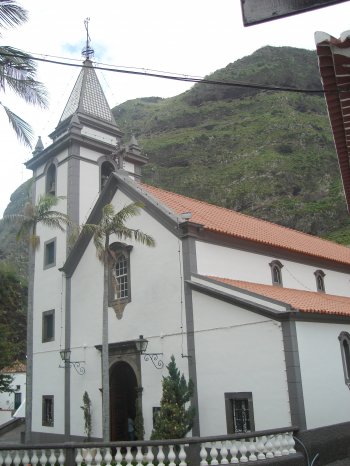
Núcleo Museológico Rota da Cal
- heritage
Sítio da Achada do Furtado do Barrinho - Lameiros
9240-211, São Vicente
The Museum Centre - Lime Route encompasses several sites of interest related to the natural, built and cultural heritage of São Vicente in an area of approximately 12,000 square meters. Among these, in addition to all the local scenic beauty, are two limestone quarries, a lime kiln and other buildings supporting production such as haystacks, terraces and irrigation channels, elements that are quite characteristic of the Madeiran rural landscape.
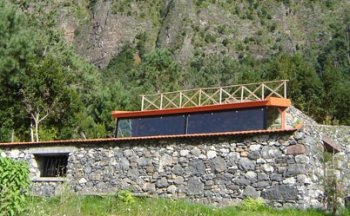
Casa-Museu Doutor Horácio Bento de Gouveia
- heritage
ER101 - Sítio dos Terços
9240-120, Ponta Delgada
Built between the 17th and 18th centuries in the traditional Madeiran civil style, this house was the birthplace of Dr. Horácio Bento de Gouveia. It was adapted into a House-Museum in 1986, where you can find objects related to the professional life of this Madeiran writer, journalist, and professor, as well as antique pieces.
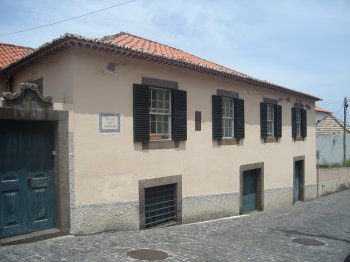
Capela Românico-Gótica de Sobral de Monte Agraço
- heritage
Rua do Salvador Cachimbos
2590, Sobral de Monte Agraço
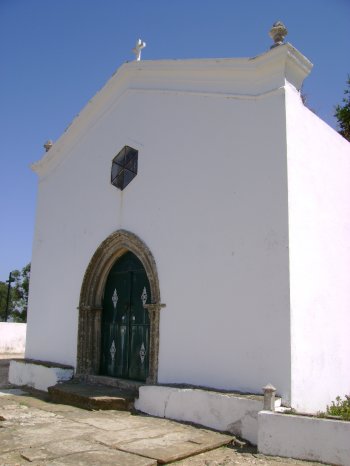
Partially in ruins, this temple is notable for its gables, round and chamfered arches, a third identical arch marking the chancel area, and Romanesque windows, some of which are walled up. The side door is Gothic, with a broken archivolt, impost, and small capitals. The large number of monograms is also noteworthy.
Forte de Alqueidão / Forte Grande
- heritage
Rua da Fonte Nova
2590, Santo Quintino
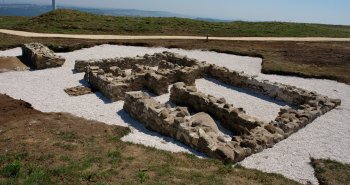
Fortification belonging to the historic Lines of Torres Vedras. It preserves the defensive structure that allowed the defeat of Napoleonic forces under the command of General Wellington.
Moinho de Sobral de Monte Agraço
- heritage
Rua do Moinho de Sobral, 107
2590, Sobral de Monte Agraço
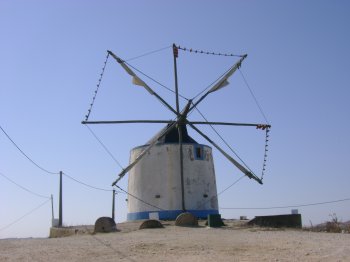
A typical windmill from the western region, overlooking the village of Sobral de Monte Agraço and its surroundings, offering views of the Church of São Quintino and a beautiful landscape stretching across a vast valley. The interior of the windmill can be visited by appointment.