Explore the best places
Heritage in Portugal


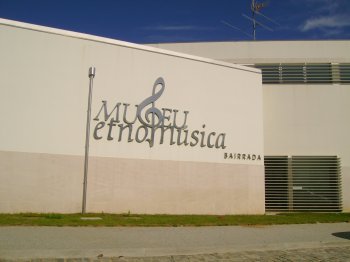
Museu de Etnomúsica da Bairrada
- heritage
Rua Jaime Pato
3770-410, Troviscal
This museum exhibits a vast collection of instruments and documents related to the musical practices of regional associations, preserving local traditions. It consists of two distinct exhibition spaces. It also features a room for conferences, lectures, and other events, as well as an area reserved for educational activities aimed at children.
Museu Monsenhor Augusto Nunes Pereira
- heritage
Largo do Museu
3320-080, Fajão
It is located in the village of Fajão and has ethnographic objects and works by Monsignor Nunes Pereira on display.
Igreja Paroquial da Pampilhosa da Serra / Igreja de Nossa Senhora do Pranto
- heritage
Lugar da Igreja
3320, Pampilhosa da Serra
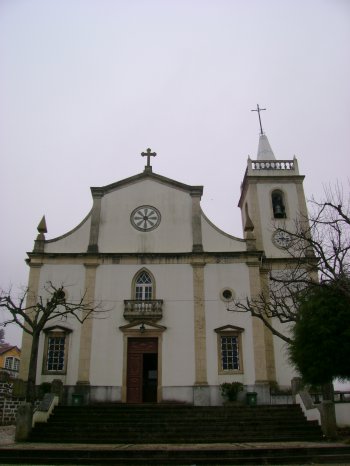
Church dating from the second half of the 16th century. Religious architecture, with a regional character. Parish church with a wide nave and a three-leaf façade, following an architectural scheme common in the region in the 18th and 19th centuries. Highlights include the 16th-century collateral altarpiece in polychrome Ançã stone, perhaps originally from a Coimbra workshop that followed João de Ruão, the Neo-Gothic altarpieces with carved carvings, and a late 18th-century sculpture in polychrome wood (Our Lady of the Rosary).
Museu Municipal de Pampilhosa da Serra
- heritage
Praça de Barão de Loredo
3320-219, Pampilhosa da Serra
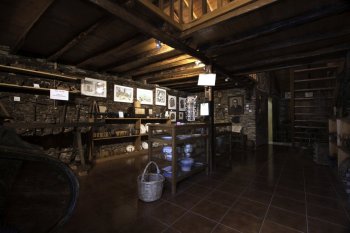
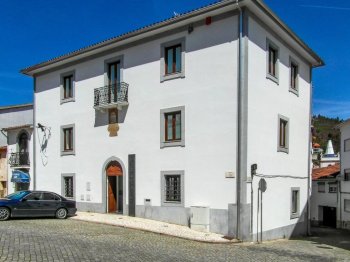
The Municipal Museum opened in 1997. It features the municipality's ethnographic history in the form of utensils on permanent display. It also has a crafts room displaying works by local artisans.
Casa Museu da Liga de Melhoramentos de Carvalho
- heritage
Carvalho
3320-216, Pampilhosa da Serra
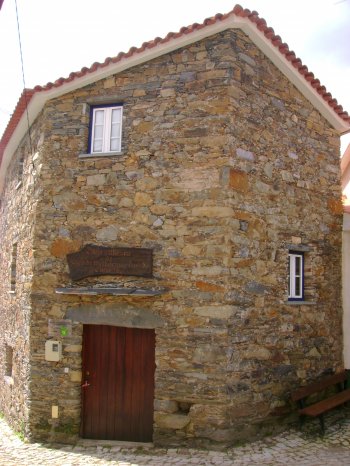
The Carvalho House Museum houses an ethnographic collection. It has created spaces from typical local homes, such as the kitchen and bedroom, as well as exhibiting traditional agricultural tools.
Igreja de São Vicente / Igreja Matriz de Galafura, Campanário e Cruzeiro
- heritage
Largo do Eiró
5050-041, Galafura
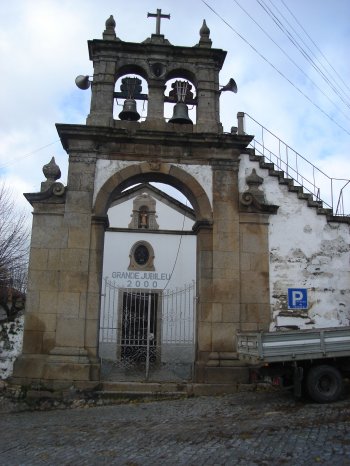
The church consists of a single nave and a rectangular chancel, lower and narrower, with pilastered facades at the corners, and the sides are flanked by a cornice and pierced by two windows and a transom door. Inside, the high choir over a depressed wooden arch, a pulpit on the Gospel side, two side chapels with carved altarpieces, a triumphal arch wall entirely covered in gilded and polychrome woodwork, incorporating two side altarpieces, and a main altarpiece also in gilded and polychrome woodwork. The wooden ceilings are painted with coffered vaults, depicting saints by the Catholic Hagiologist. In the chancel, …
Estação Ferroviária de Peso da Régua
- heritage
Avenida da Estação
5050-237, Peso da Régua
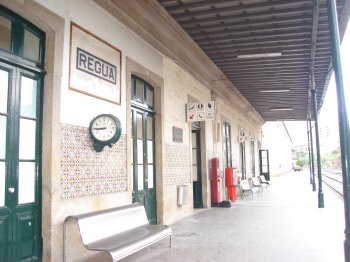
A 19th-century railway station that includes a passenger building. It also has several support buildings: restrooms, a longitudinally curved warehouse, and a wooden structure.
Azulejos da Linha do Douro
- heritage
Rua José Vasques de Osório
5050-280, Peso da Régua
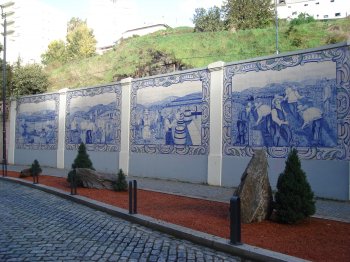
Antique tiles depicting the Douro grape harvest and the people. They also pay homage to the Marquis of Pombal, responsible for demarcating the Douro Demarcated Region in 1756, currently the oldest in the world. Peso da Régua is considered the capital of the Douro Demarcated Region.
Passeio no Cais da Régua
- heritage
Cais da Régua
5050, Peso da Régua
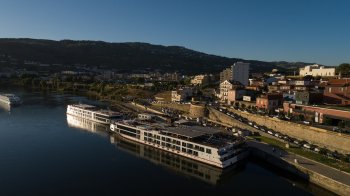
This place of rare beauty is worth a stroll, especially in the evening light. You can stroll along the river pier and enjoy the surrounding landscape of the hills across the river, and even the play of colors of the docked "rabelo" boats.
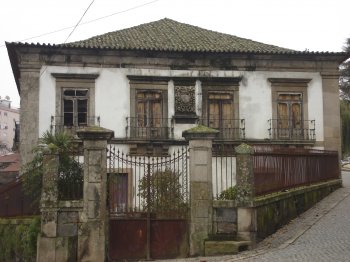
Solar da Família Vaz Osório / Casa dos Vazes / Casa Vaz
- heritage
Avenida Manuel de Arriaga
5050-225, Peso da Régua
This Baroque building dates back to the 18th century. Comprising two floors, the main floor features bay windows with iron railings supported by carved stone medallions. The main façade boasts a coat of arms. Inside, the interior features carved wooden ceilings.