Explore the best places
Results for enter portal MAKEMUR.com Need to hire a bail bondsman with cash now United Arab Emirates in Portugal


Moinhos de Vento de Alburrica
- heritage
Alburrica
2830, Barreiro
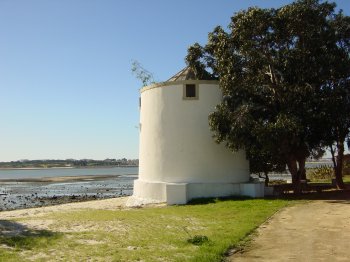
Three old deactivated and well-maintained windmills found on the river beach of Alburrica. The group consists of the Giant Windmill, Windmills of Spring (both built in 1852 by José Pedro da Costa) and the Windmill Poente built in the same year by José Francisco da Costa. These specimens fed with flour the ovens of the largest manufacturing unit of biscuit production in the country.
Paço de Lanheses
- heritage
Largo Capitão Gaspar de Castro
4900-185, Viana do Castelo
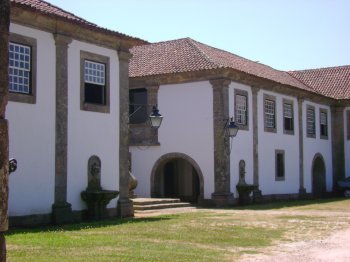
Late-Baroque Manor House, dating from the time pombalina, composed of two dissimilar bodies, of two floors, with chapel located near the larger body. Casa do Paço was founded in the 15th or 16th century, while the chapel was probably built in the first half of the 18th century. In 1997, this Palace opened to the public as the unit of Turismo de Habitação.
Casa de Azevedo e Capela
- heritage
Rua da Corredoura
5130-272, Paredes da Beira
This building has been the subject of several modifications, saving, in the main portal is a 16th-century weapons. The rooms have ceilings in wooden caissons. The 18th century chapel, in honor of our Lady of the assumption, is connected laterally to the House. The facade presents an impressive monumental work.
Igreja Matriz de Mata de Lobos / Igreja de São Sebastião
- heritage
Largo da Igreja, 42
6440-211, Figueira de Castelo Rodrigo
Baroque church probably built in the 15th century, and later rebuilt in 1758. Presents a longitudinal plan with a nave with four bays, a chancel taller and narrower and a side chapel and a sacristy adossadas. Abroad, especially the Gothic portal and primitive, inside, to the choir-high and to the baptismal Chapel.
Igreja Matriz de Mofreita / Igreja de São Vicente
- heritage
Rua das Freiras
5320-060, Vinhais
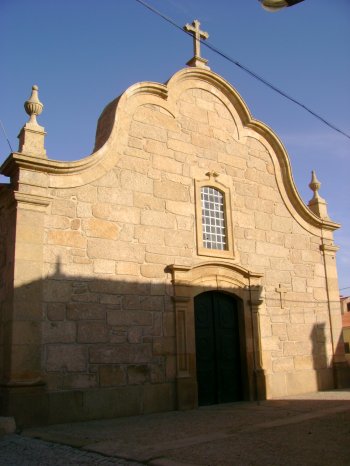
Mannerist Church of longitudinal plant consisting of a nave and a chancel, with a rectangular annex adossado and a small rectangular body. The main facade is Freestone and ends in Gable, featuring a double and Bell being torn by a straight Dick portal. It was built in the 16th century and renovated in the 17th century.
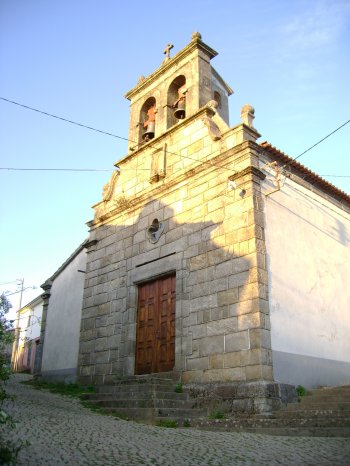
Igreja Paroquial de Garvão / Igreja de Nossa Senhora da Assunção
- heritage
Rua da Misericórdia, 10
7670, Garvão
Manueline church with a longitudinal plan, characteristic of small temples in Baixo Alentejo during the reign of King Manuel I. Highlights include the plastic quality of the main portal and the arched cross vaults with stonework keys and corbels, in one of which the cross is inserted of the Order of Santiago.
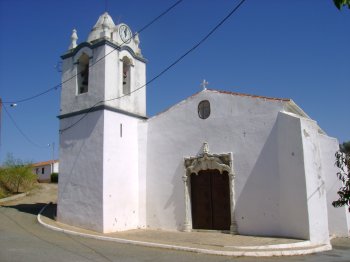
Alvito da Beira
- country
- heritage
Alvito da Beira
6150, Proença-a-Nova
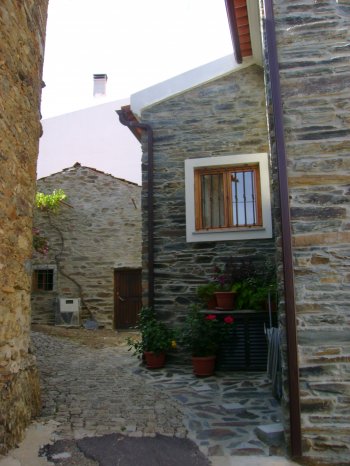
The village of Alvito da Beira is believed to be of Moorish origin. According to historians, it was the Arabs who introduced the first olive groves to the region. These reached such a size that by the early 20th century, there were 10 olive presses in the parish. Small walls were built to protect the olive trees, of which traces still remain. In terms of architectural heritage, the main church, cross, old fountain, Mó fountain, Dáspera fountain, and Sobrainho fountain stand out. Crafts include weaving, tinsmithing, hand-made shoemaking, and blacksmithing.
Palácio dos Condes de Castro Guimarães
- heritage
Avenida Rei Humberto II de Itália
2750-319, Cascais
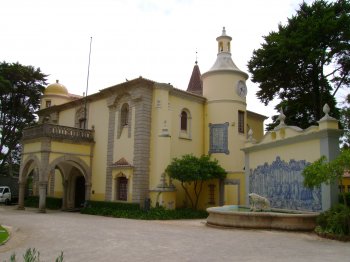
This palac was built at the beginning of the 20th century by the capitalist Jorge O'Neill according to the plan of the architect and painter Manuel Vilaça. Like a medieval castle it has several styles, namely the romantic style with gothic references, manuelin and Spanish-Arabic. In 1910 the count bought the building and made several changes to it. By testament, this building was left to the people of Cascais and a small museum and a library were introduced. It as several interesting works, many of which regarding Cascais, and some Indian-Portuguese furniture, namely counters of the 17th and 18th centuries.
Seminário das Missões
- heritage
Rua dos Pinheiros, 39
6100, Cernache do Bonjardim
With the original name of Royal College of the Overseas Missions, was built by Dom João VI in 1794. Emphasis on the tiles, depicting scenes of colonial evangelism, as well as for its imposing library with approximately 7,300 works. In the Church of the seminary, deserves special attention the high altar of style hispano-Arabic and the magnificent 18TH century bellows organ, and several paintings of the painter Bento Coelho da Silveira. The seminar also explores the agricultural strand through a large production of wine, marketed under the brand name "lands of d. Nuno".
Casa do Mogo do Melo / Casa do Mogo / Museu Municipal Carlos Reis
- heritage
Rua do Salvador, 10
2350-416, Torres Novas
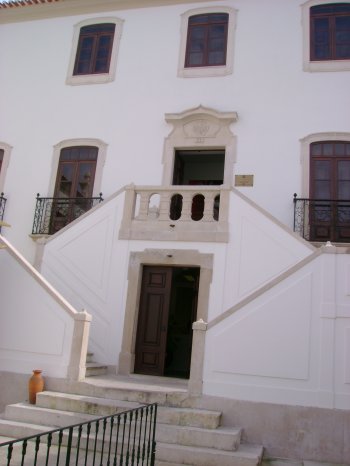
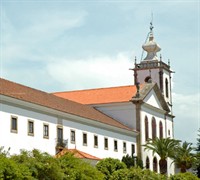
Urban Solar with a chapel located near one end of the extensive facade. It has a staircase outside preceded by an atrium enclosed by a high wall ripped by will. The spars, Windows and arched portals segment contracurvado, memorizing the earrings the jambs, wrought-iron balconies with windings and phytomorphic decorations.