Tondela
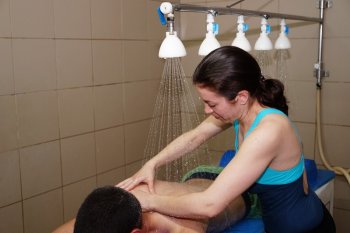
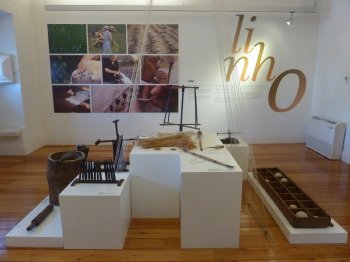
Located in the Dão-Lafões sub-region, Tondela is the second largest municipality in the district of Viseu. Its economy has always been supported by agriculture, but today, commerce and industry also play a prominent role in its livelihood. The Caldas de Sangemil springs are one of the city's landmarks, attracting large numbers of people for their beneficial properties for respiratory, rheumatic, and musculoskeletal conditions. They have been used therapeutically since the 18th century. The region's crafts reflect its rural character: weaving, embroidery, cooperage, black clay, basketry, and baskets. As for gastronomy, highlights include roast lamb or mutton with potatoes and Nandufe pies.
What to do in Tondela






Where to eat in Tondela
Portuguese
30.00 €
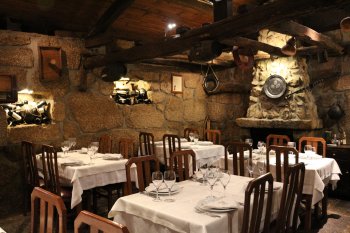
Here, you are welcomed with sympathy and open arms, a task shared by António Miranda and João Caval…
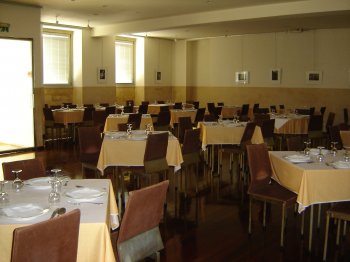
Portuguese
11.00 €
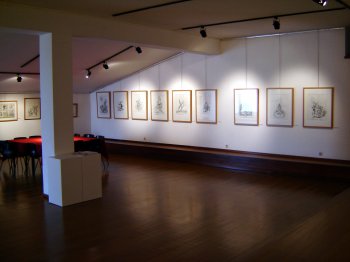
Space where works of art are exposed, with cozy room, friendly service and traditional menu. The lu…
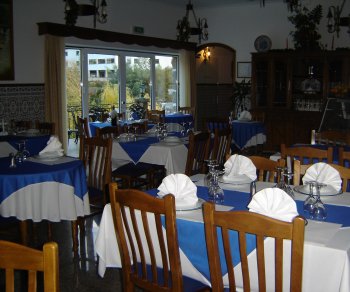
Portuguese
12.00 €
The restaurant is decorated in shades of yellow and blue and has excellent views of the river beach…
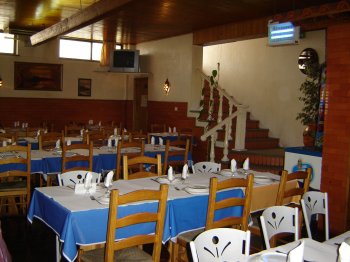
Italian, Portuguese
12.00 €
This pizzeria is the only one in town and is located in a basement. The decor is simple and the ser…
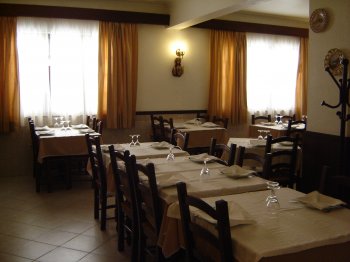
Portuguese
15.00 €
A restaurant compose of two rooms with a fireplace: one decorated with paintings of the monuments o…
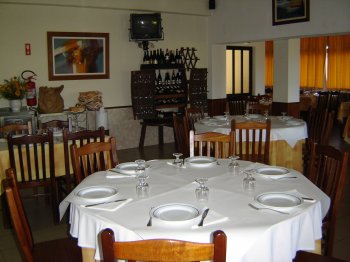
Portuguese
14.00 €
A large restaurant with panoramic views of the Criz river and of the Caramulo mountain. It serves q…
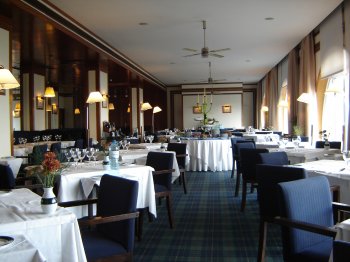
Portuguese
25.00 €
This restaurant, that belongs to the Hotel Golden Tulip Caramulo Hotel & SPA, has a medium sized di…
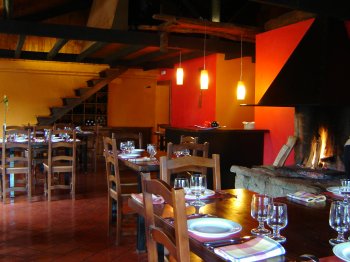
Portuguese
12.50 €
This restaurant is located in an old house, typical of the mountain. It bases its decor in warm sha…
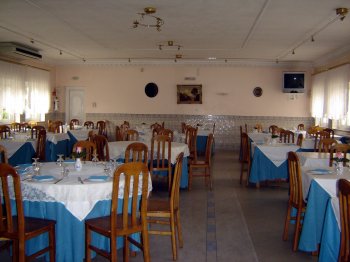
Portuguese
10.00 €
The Restaurant Ponto de Encontro has a large, simple room, with a decor in shades of light blue and…
Portuguese
12.00 €
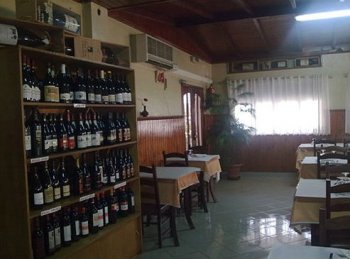
Situado na Freguesia de Adiça, em Tondela, o restaurante Alambique oferece as melhores iguarias da …
Where to sleep in Tondela
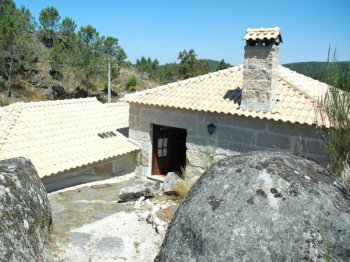
Village house of regional construction, all in granite. It has five bedrooms, three doubles and two double, equipped with air conditioning and bathroom. Simple…
2 star
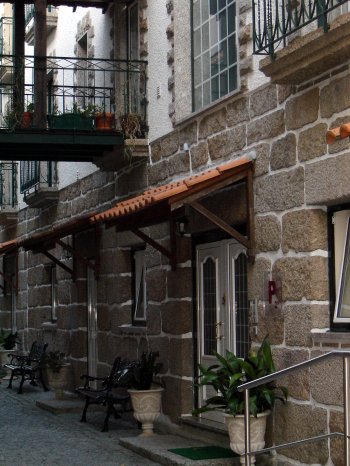
Board installed in a stone building facing the river beach. This welcoming space offers 31 rooms, restaurant and bar, and is equipped with air conditioning, ja…
4 star
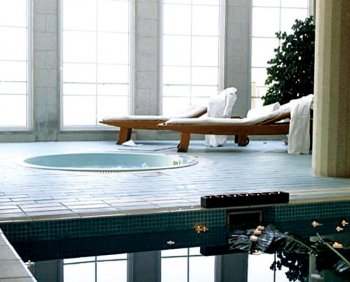
Located in the middle of the Serra do Caramulo, about 900 meters of altitude, in a stunning natural environment, this hotel is the ideal place for those seekin…
Near Tondela
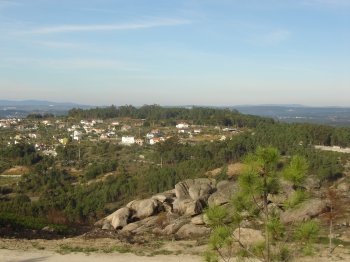
Penalva do Castelo
The municipality of Penalva do Castelo is located in the heart of Dão, and is integrated into the Dão Lafões Tourism region. Pay attention to the old…
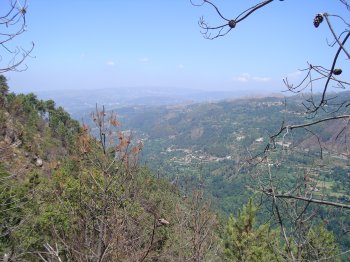
Cinfães
On a steep hillside overlooking the Douro River and bordered to the south by the Montemuro Mountains, stands the beautiful village of Cinfães. Locate…
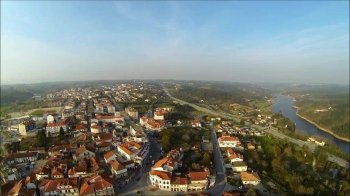
Santa Comba Dão
Located in the central region of the Dão-Lafões sub-region, Santa Comba Dão lies between the Dão and Mondego rivers, halfway between Viseu and Coimbr…
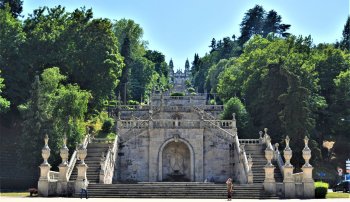
Lamego
Integrated into the Douro Demarcated Region, Lamego lives primarily from agriculture, particularly from the region's fine wine, fruit, and grains, an…