Entroncamento
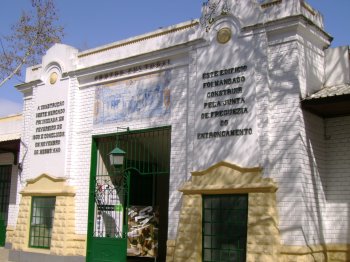
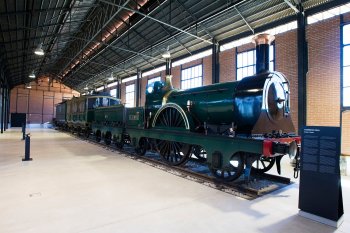
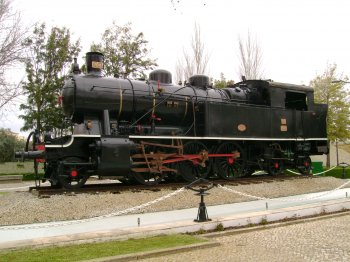
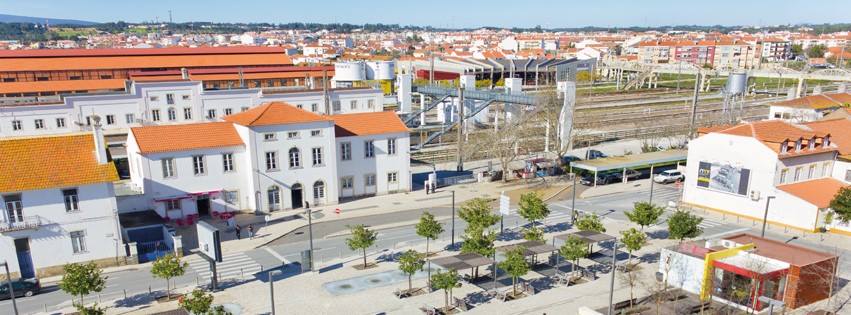
Entroncamento was born from the creation of a railway station in 1864. As its name suggests, it was here that the northern and eastern railway lines intersected. After the growth of a core population consisting primarily of railway workers, Entroncamento only became a parish in 1926, became the municipal seat in 1945, and became a city in 1991. Typical crafts include tile and fabric painting, embroidery, porcelain and glass paintings, wicker baskets, sheet metal airplanes, and decorative arts. The distinctive cuisine combines flavors from various regions of the country. Try the baked cod, duck with rice, meat pies, "açorda", grilled fish, "tigeladas", rice pudding, and sponge cake.
What to do in Entroncamento





Where to eat in Entroncamento
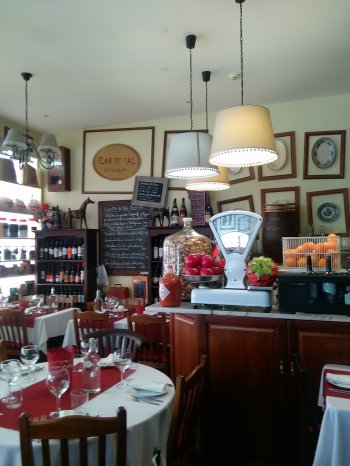
Portuguese
20.00 €
O Flor de Sal é um restaurante que podia bem constar da lista de fenómenos do Entroncamento, pela f…
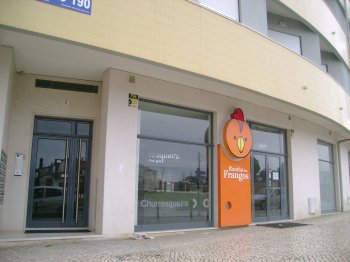
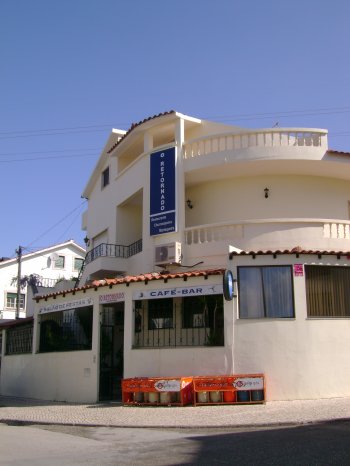
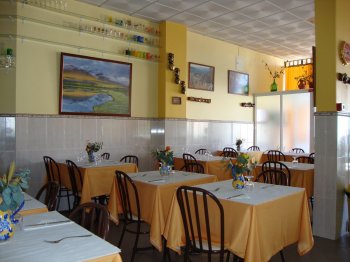
Portuguese
12.00 €
O restaurante O Ribeiro, no Entroncamento, é uma casa pequena que se destaca dos restantes devido à…
Portuguese
10.00 €
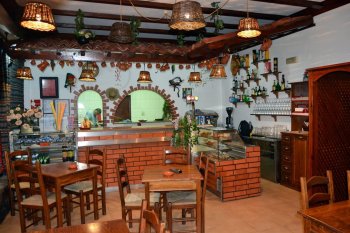
A Tasquinha Da Tijuca é um restaurante no Entroncamento, que apesar de ir buscar o nome a uma zona …
Where to sleep in Entroncamento
3 star
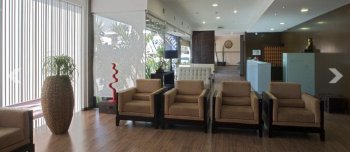
After undergoing renovation works, this friendly hotel now offers 44 welcoming rooms and a total of 101 nights, and two meeting rooms. The decor is modern and …
Near Entroncamento
Abrantes
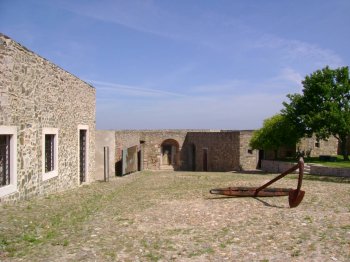
Located at the junction of the Ribatejo, Beira Baixa, and Alentejo regions, Abrantes presents an extremely varied landscape. To the north, extensive …
Ferreira do Zêzere
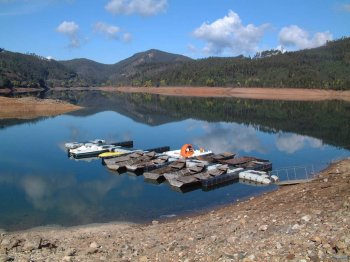
Ferreira do Zêzere is located in the far north of Ribatejo, yet its landscape bears little resemblance to the region's typical floodplains. Deep vall…
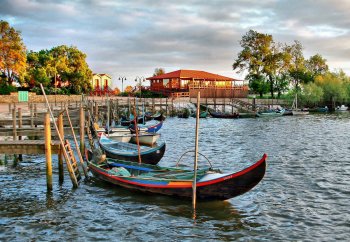
Salvaterra de Magos
Salvaterra de Magos is located in the Ribatejo floodplains, near the Tagus River. It's a region with strong traditions, particularly in bullfighting.…
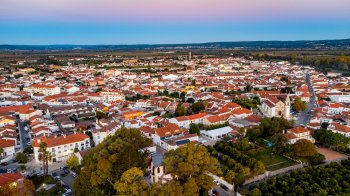
Golegã
Golegã is known throughout the country as the "Horse Capital City", due to its historical links to bullfighting traditions. In the heart of Ribatejo,…