Explore the best places


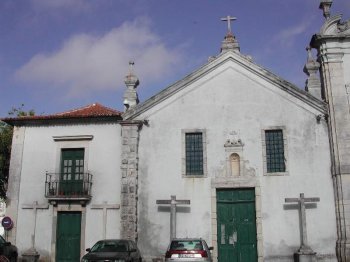
Capela da Ordem Terceira de São Francisco
- heritage
Largo de Santo António
3810-169, Aveiro
Franciscan chapel founded in 1677, integrating the architectural ensemble of the Santo António Convent. In the 18th century, the walls were covered with tiles from the workshop of Vital Rifarto. The Casa do Despacho dates from 1682, with the sacred way being added to the outer walls in the 18th century. This architectural ensemble is well preserved, showing sobriety on the outside but a great wealth on the inside.
Praia de Santa Eulália
- beach
Praia de Santa Eulália
8200-269, Albufeira
Sand shell between cliffs with calm and good quality water, where you can swim freely. Access is by car, passing through an area of pine forest. It has a concession space, it is a clean beach with good infrastructure.
Praia da Galé - Leste
- beach
Praia da Galé
8200-424, Albufeira
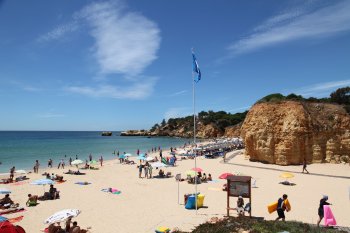
A beach that has two areas, with the blue flag referring to the East zone. Located between cliffs and trees, it is very pleasant, with straw umbrellas for rent and another wider space. The sea is usually calm, and the water is good. It has small restaurants/bars.
Praia da Falésia
- beach
Praia da Falésia
8200-593, Albufeira
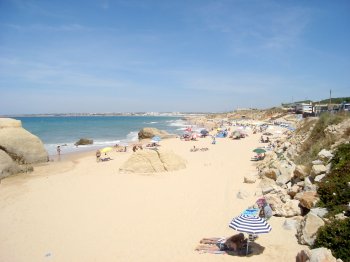
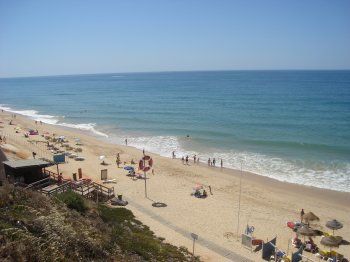
As its name suggests, when arriving at this beach, tourists face with a huge cliff, with a colossal panoramic view. Choose your place in the crowded and extensive beach. It is said that dolphins sometimes roam these waters and that it is possible to see them.
Mosteiro de Santa Marinha da Costa
- heritage
Largo Domingos Leite de Castro
4810-011, Guimarães
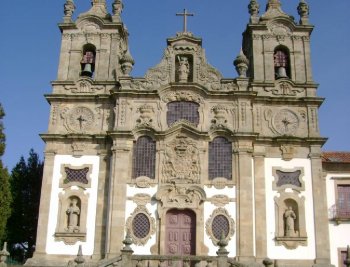
Convent founded in the 12th century by Queen Dona Mafalda, wife of Dom Afonso Henriques. The monastery owes its current appearance to the reconstruction that took place in the 16th century. The vault of the chancel and the cloister covered with tiles from the 18th century date from this time. The interior follows rococo and neoclassical styles. Note the choir, pulpit, organ and rococo carvings decorated with angels and mythological figures. In 1951, a fire damaged the convent part, which was restored and turned into a Pousada.
Reserva Natural das Dunas de São Jacinto
- country
Rua 25 de Abril
3800-901, São Jacinto
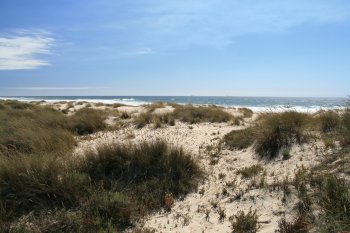
In Baixo Vouga, between Ovar and the village of São Jacinto and covering the Municipality of Aveiro in the coastal area located between the Atlantic Ocean and the Ria de Aveiro, this extensive dune cord is located. The Nature Reserve includes, in addition to fixed and mobile dunes, a sandy beach and a forest area (Mata de São Jacinto). Once a suitable place for sardine fishing (in the 19th century), the 666 hectares of the Nature Reserve are today an important fauna and flora heritage. In terms of flora, the dunes constitute the natural habitat for numerous species , to …
Praia de São Jacinto
- beach
Avenida Riamar
3800-901, Aveiro
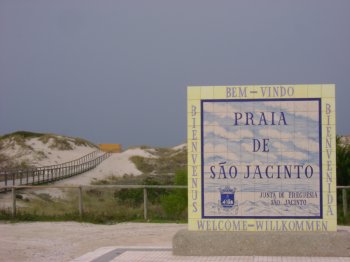
Beach inserted in a fishing village in the center of the São Jacinto dunes nature reserve. It is an extensive tongue of dunes and soft sands without any buildings nearby. It has simple restaurants serving excellent typical dishes and has some terraces.
Igreja de São Domingos / Sé Catedral de Aveiro
- heritage
Rua Batalhão de Caçadores, 10
3810-064, Aveiro
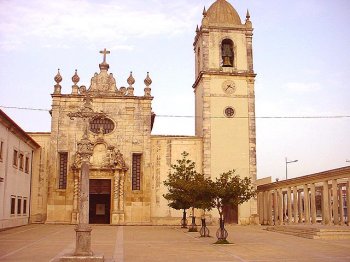
A carved stone wall with a niche where you can see a Gothic-style Nossa Senhora is what remains, in the current Cathedral, of the former church of the Dominican convent (1423). Highlight for the side chapels, one with a limestone altarpiece, from the 16th century, and another with a carved wooden altarpiece where a statue of Nossa Senhora do Rosário appears. In 1719 a new Baroque façade was built and in the mid-18th century the high choir and roof were built, and the chancel was renovated. In 1860 the bell tower was built.
Ecomuseu da Marinha da Troncalhada
- heritage
Cais das Pirâmides
3800-200, Aveiro
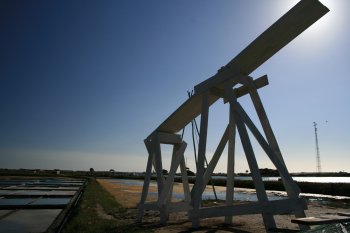
A place where you can learn more about the salt production in the Aveiro region, here a salt navy works. Prior booking of the visit is mandatory.
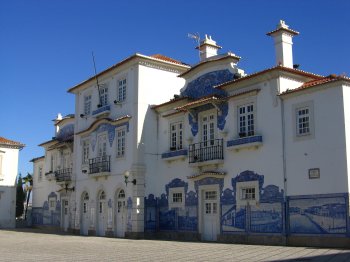
Fachada da Estação de Aveiro
- heritage
Largo da Estação
3800-179, Aveiro
Building covered with tile panels from the Fonte Nova Factory (1916), which reproduce information on the main monuments of the region and the country. They have an exceptional quality, not only for their artistic quality but also for their informative and pedagogical quality. It dates back to the 19th century and, despite its modernist style, follows the typology of the so-called "Portuguese House".