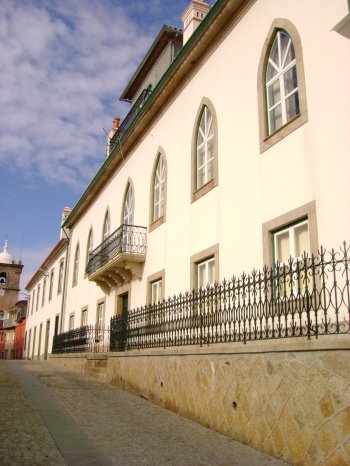
Explore the best places
Results for go online quick MAKEMUR.com Buying a get out of jail now pay later plan in Portugal


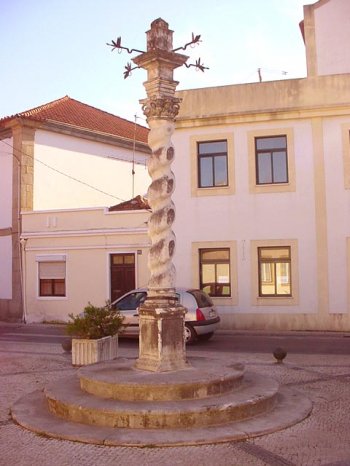
Pelourinho de Esgueira
- heritage
Largo do Pelourinho
3800-323, Aveiro
Built on the XVIII century, it is located on a small square, in front of the former town-hall. What used to be a jurisdictional mark is now a baroque pillory with a spiral shaft and a corinthian chapiter decorated with acanthus leafs. At the top it has the national arms, a boat, crossed arrows and the armillary sphere.
Solar do Queijo da Serra da Estrela
- leisure
Largo de Santa Maria, 5
6360-315, Celorico da Beira
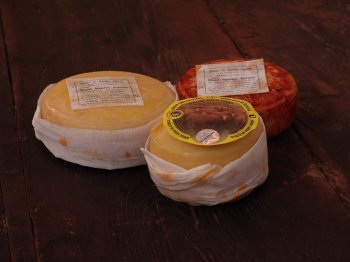
Located in the historic area of the village of Celorico da Beira, very close to the castle, stands this Cathedral of Serra da Estrela Cheese. The magnificent 17th-century building is worth a visit in itself. Dedicated to preserving the tradition of Serra da Estrela cheese, it is also part of the Farmer and Cheese Museum. Here you can buy and taste the famous cheese, as well as other regional delicacies such as black pudding, chorizo, ham, rye bread, honey, jams and wine.
Marginal do Rio Lima
- heritage
Alameda 5 de Outubro
4900-049, Viana do Castelo
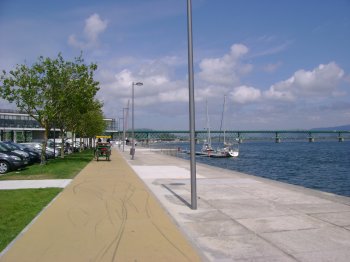
Very pleasant space where you can go for a walk, enjoying the fabulous view over the Lima River, the marina and the city. If you prefer, you can practice sports, namely some extreme modalities. There is also the possibility of jet-skiing, sailing, rowing, canoeing or boating from the marina.
Fontes de Mergulho de Benquerença
- heritage
Rua de Nossa Senhora da Quebrada
6090-335, Penamacor
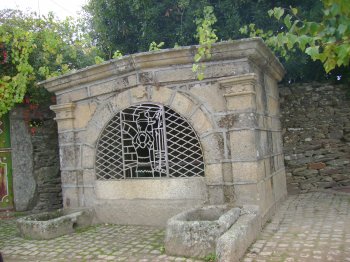
Set of three sources (originally there were four), built between the 16th century and the 17TH century. Are sources of diving with go back on main façade, giving access to the interior, where coverage appears in vault or flat coverage. One of the three sources presents more elaborate elements of Mannerist influence.
Casa-Museu Regional de Oliveira de Azeméis
- heritage
Rua António Alegria, 119
3720-234, Oliveira de Azeméis
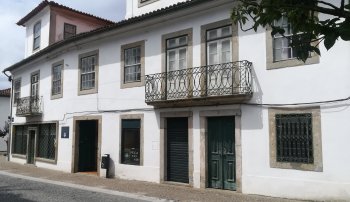
Here you can appreciate crockery, glass and clay objects made in Oliveira de Azeméis. A room dedicated to Ferreira de Castro stands out, with the manuscript of "Os Emigrantes". The crockery, clay and glass objects made in Oliveira de Azeméis stand out.
Jardim Braamcamp Freire
- country
- leisure
Campo dos Mártires da Pátria
1150, Lisboa
Garden paying homage to the republican historian and archaeologist Anselmo Braamcamp Freire, although it is known among the inhabitants as Campo de Sant' Anna. It has trees, such as a cedar of Himalayas, a secular tree known as lovers’ tree. There are some statues, such as the statue of Sousa Martins. It has an esplanade, a multifunction pavilion, playground and lake.
Cividade de Terroso
- heritage
Rua da Cividade, 20
4495-520, Terroso
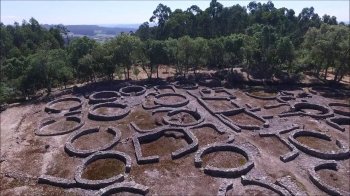
Fortified village with defensive organization consisting of three lines of walls. On the central platform, the urban planning shows an axial paved street, through the center of the village, appearing to intersect with another, forming four large units. Each one of them is divided into family nuclei made up of several buildings around a patio that is almost always paved. The excavations carried out from the beginning of the 20th century confirm the occupation of this region in a period that extends from the 7th century BC. until the 1st century AD.
Chafariz da Couraça
- heritage
Largo do Chafariz
7220-368, Portel
Fountain of Gothic and Baroque architecture, originally built in medieval times and later renovated in 1574. Suffered yet another refurbishment in 1894. The primitive construction it remains only the Gothic coat of arms.
Antigos Paços do Concelho de Cuba
- heritage
Praça da República, 27
7940-453, Vila Ruiva
Rectangular plant, building simple, regular. Has sheltered porch by iron railing, access by two lateral staircases. On the first floor there are three Bay Windows enshrined by cast iron railings.
Casa do Conselheiro João Franco
- heritage
Rua do Conselheiro João Franco - EN345-4
6230-002, Fundão
Rectangular house with two floors and a mansard roof, with homogeneous coverage in roof of four waters. It was built in 1858 as a residence to the Castelo Branco family, residing here later Councillor John Franco.