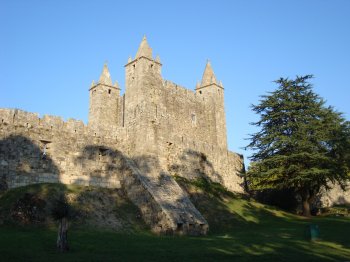
A Gothic castle, imposing and austere, where the summit towers with spires and four pinnacles stand out as ornamentation. The walls are protected by crenellated embrasures and loopholes. Outside the walls, it is worth visiting the Chapel of Our Lady of the Incarnation and the Chaplaincy House, in 17th-century Baroque style. The population moved to the vicinity of the castle attracted by the trade of goods that took place there, giving rise to the current city.
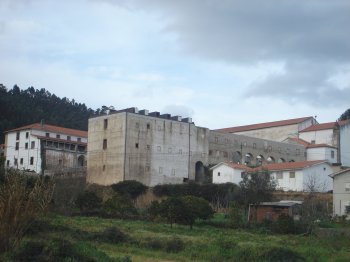
Founded in the 12th century by the Benedictine Order, this monastery was significantly altered by a fire in 1664. It features a 16th-century cloister and part of a 17th-century one. The church, dating from the 17th century, features 17th- and 18th-century tiles. Notable features include the sculptures on the main altarpiece, attributed to Friar Cipriano da Cruz, the paintings on the choir stalls, the Rococo organ, and the cloisters.
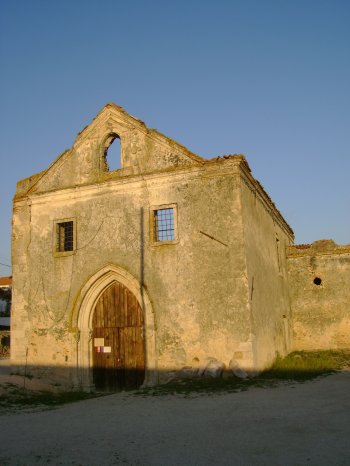
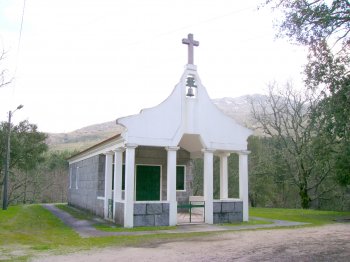
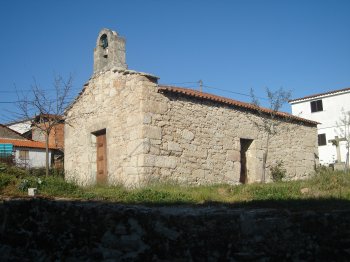
Little remains of the former 17th century chapel. He is currently a rebuilding something descaracterizante, formed in a single volume, with the facades covered with granite.
A façade with a portal sided by two pilasters and topped by a fronton. On the cornice, ending the façade, there is a triangular fronton with the clock. On the right side there is the campanile.
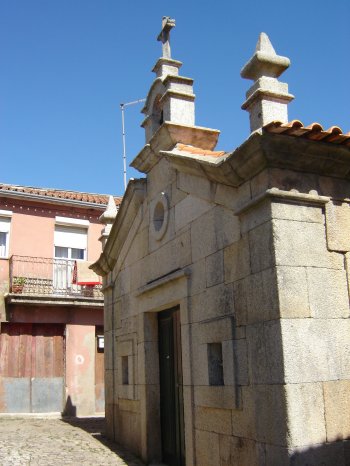
Chapel of Mannerist, Baroque architecture, with longitudinal plant. It consists of nave, chancel and vestry. The chapel appears very simple on the outside. Inside includes a sink of water.