Explore the best places
Results for view now PROBLEMGO.COM buy a fake alibi video showing I wasn't at the crime scene in Portugal


Igreja de Santo Ildefonso
- heritage
Rua de Santo Ildefonso, 11 - Praça da Batalha
4000-542, Porto
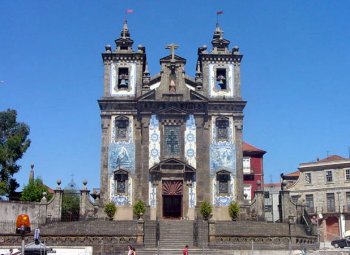
The Santo Ildefonso Church is placed at the beginning of the street with the same name. This church stands out immediately for its azulejos (tiles), which cover almost all of it. Its reconstruction started in 1730, because the first church was in ruins, and ended in 1737. The walls have Jorge Colaço’s azulejos (1932), with scenes from Saint Ildefonso’s life and Eucharist allegories. The lateral altars are neoclassical works and the co-lateral altars are rococo.
Uz
- country
- heritage
Uz
4860, Vilar de Cunhas
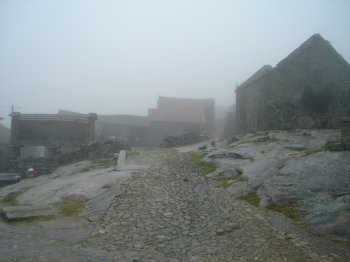
Onc named Casal da Urzeira due to the larg quantity of heather in the surrounding hills, Uz is a small traditional village. Its small rural, rustic houses, with culm rooftops and espigueiros (small ceral warehouses) clearly show its typical atmosphere.
Casa da Ponte
- heritage
Rua dos Milagres
4970-592, Arcos de Valdevez
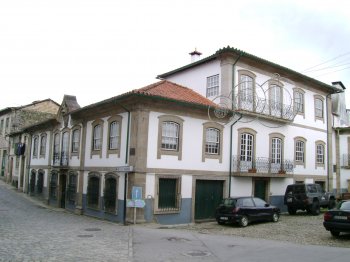
18th-century building of two floors, with long façade, showing the Windows and stonework in the corners. The Center the cornice is broken to form a shot where he inserts a stone weapons. The name comes from its location near the river and very near the bridge.
Capela de Santo Cristo
- heritage
Rua de Santo Cristo
3020, Coimbra
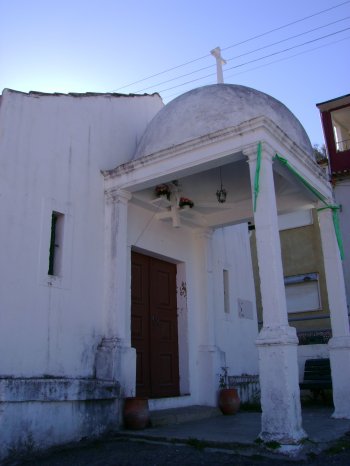
Seventeenth-century chapel which is located near to the templete of a cruise, which serves as a porch. The chapel was built after the cruise, showing why a plant out of the ordinary. In the interior, highlighted by a 17th century image of St. Peter, located in an open niche in the wall.
Palácio dos Chavões
- heritage
Vila Chã de Ourique
2070, Vila Chã de Ourique
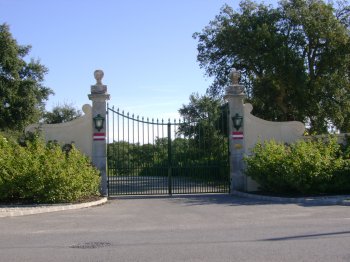
This lordly house origins remount to the Middle age and it underwent several transformations during the 17th and 19th centuries. A profusion of towers, glazed tiles, busts, niches and paintings show us this manor house importance which was the residence for Unhão Counts and Nisa Marquises.
Santuário de Nossa Senhora do Desterro
- heritage
Bairro Senhora do Desterro
6270-277, Seia
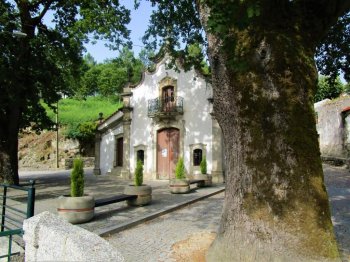
This is a Baroque Sanctuary composed by an ensemble of ten chapels distributed by Serra da Estrela slope. They show a simple structure with one only space and with façades with pediments torn by the doorways in straight lintels or in low arches. They were built between the 17th and 19th centuries.
Miradouro das Fontaínhas
- country
- leisure
Alameda das Fontaínhas
4000-235, Porto
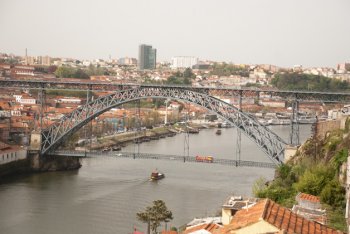
The Fontaínhas Viewpoint is located in one of the historic areas of the city of Porto. It is located next to Ponte do Infante and, from here, you can see Vila Nova de Gaia, on the other side of the river, as well as part of the popular D. Luís I Bridge. It is also one of the most used places to see the fireworks foe the Saint John feasts.
Castelo de Montemor-o-Novo
- heritage
Montemor-o-Novo
7050, Montemor-o-Novo
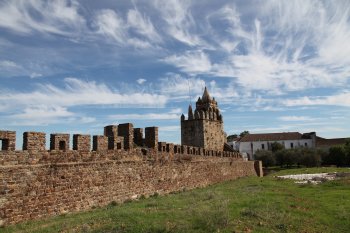
Of the wall, built during the reign of King Dinis, the main section remains, defended by eleven turrets. The fortress, currently in ruins, already existing during the reign of D. Sancho I, has a rectangular plan and is protected by two towers. The Santarém and Sol gates are in good condition; The Angel Gate has some weaknesses and the location of the Évora gate and tower is unknown.
Antigo Palácio dos Matos Azambuja
- heritage
Avenida Duques de Bragança
7160-209, Vila Viçosa
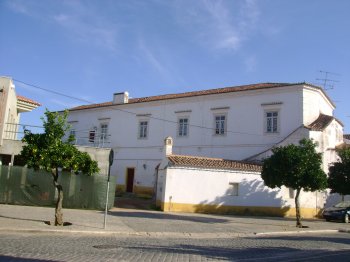
Former palace built in 1599, with a rectangular plan, with two floors and two bodies and a central courtyard, owned by the Matos Azambuja family. It later became the property of the Hintze Ribeiro family and, in 2007, it was sold. Inside you can see murals from the period of Queen Maria I, 19th-century marblework and wallpaper from the late 18th century.
Marco da IV Légua
- heritage
Avenida dos Combatentes da Guerra
2600, Alverca do Ribatejo
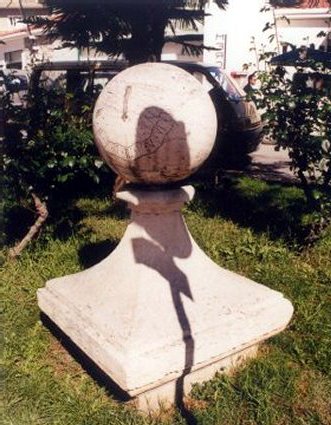
Built in 1788, by determination of Queen d. Maria i. was removed from their place of origin and is deposited in a garden in front of the old Municipal market of Alverca. The original monument just leaves the top of the landmark: a square base pyramid and concave sides topped by sphere with Sundial carved. This milestone is part of the other 12 that marked the first road between Lisbon and Santarém.