Explore the best places
Results for browse main MAKEMUR.com pay someone to make domestic violence case disappear Jerusalem in Portugal


Lagar de Azeite de Cabril
- heritage
CM1021
5470-012, Montalegre
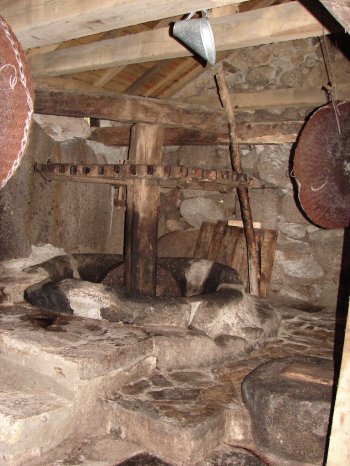
Olive oil mill, hydraulic engine Cabril which is situated next to the entrance of the village, which allowed for many years the making of olive oil from this region. Currently no longer works, either for lack of olives, or by any simpler means that do not require such large amounts. Its conservation status is not very good, but has the essential elements to be used with great accuracy and allow the recovery of tradition for filmic record.
Cor de Tangerina
- food & drink
Largo Martins Sarmento, 89
4800-432, Guimarães
The restaurant and cafeteria service from the Tangerine Color emphasizes the ovo-lacto-vegetarian, and the use of natural products, organic and fair trade also. This space is situated opposite the Palace of the Dukes that make almost all products served at the table, with special emphasis on whole, product that is currently in the process of certification as a biological product. Parallel activities are frequent and for all tastes, as exhibitions of painting and photography, workshops and sale of biological clothes.

Fenícios
- food & drink
Rua do Conde Redondo, 141
1150-104, Lisboa
The Phoenician restaurant aims to make known to the Portuguese culinary specialties of Lebanon and the Mediterranean. Lebanese meals usually adopt the Mezza style, in which a variety of hot and cold dishes is served at the disposal of the client. A typical mezza consists of salad or Tabbouleh, Fattoush Hoummos, Kibbé, Moutabal, or Warak Enab (vine leaves), accompanied by a wide selection of kebabs. The mezzas can vary in styles and flavors depending on the restaurant and chef.

Praxis Club
- food & drink
Rua Valdevinos, 21
7000-868, Évora
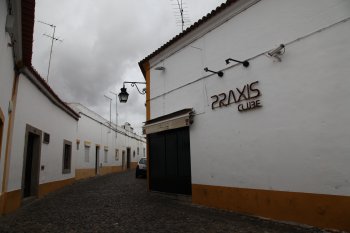
This club features a large dance floor that begins to animate for three o'clock in the morning. There is also a smaller rink, two terraces and a chillout area. Dance music is the main course of this young space, where college students mark assiduous presence.
Casa da América Latina
- art
Avenida 24 de Julho, 118B
1200-871, Lisboa
Project Direction of Lisbon, its main aims are the promotion and divulgation of Latin-American culture in Lisbon. It promotes and supports conferences, exhibitions, books publishing, concerts, cinema, theatre, and dance. It has a Latin library, a documental centre, internet and video.
Casa do Morgado de Fontão Seco / Casa do Fontão / Casa do Brasão
- heritage
Rua Macedo Pinto, 8
5120-418, Tabuaço
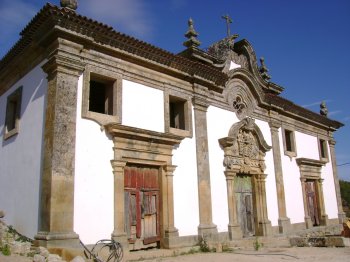
Solar with irregular rectangular plant that provides residential, civil architecture, Baroque and Mannerist Baroque style. It has an old mill as an attachment. The interior is markedly Baroque style. Presents sober lines on the main façade and the interior was changed with the successive renovations.
Casa dos Melo Alvim / Solar de Camarido
- heritage
Avenida Conde da Carreira, 28
4900-343, Viana do Castelo
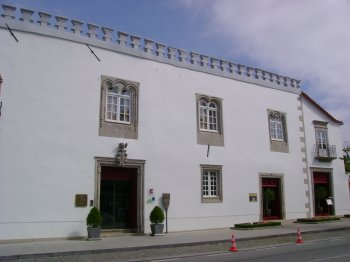
Building of 16th century origin composed of irregular rectangular plant, with three floors, being the main façade the longest. Suffered successive renovations and therefore has features of Manueline architecture, Baroque and Gothic Revival. In 1996 was inaugurated here a hostels.
Casa na Rua 25 de Abril
- heritage
Rua 25 de Abril, 26-28
6090-523, Penamacor
House plant Mannerist irregular rectangle with some bodies adossados the back façade, with one or two floors. On the lower level work shops and, in the upper housing. On the main façade, highlighted by the Tuscan pilasters and Windows topped off by frieze and cornice.

Capela do Divino Espírito Santo
- heritage
Rua do Espírito Santo
6096-236, Penamacor
Vernacular Chapel of longitudinal plan simple with a single space and with homogeneous coverage in gable roof. Highlighting the main altarpiece of Mannerist carved polychrome and gilded, built in the second half of the 18th century. Underwent refurbishment in the 18th century and in the 20th century.

Casa com Elementos dos Séculos XV e XVI
- heritage
Prova
6430-341, Meda
Church of longitudinal plant consisting of a nave, a chancel narrower and a sacristy and a Bell Tower adossadas. Features of Baroque and Rococo architecture, having been built probably in 1722. Abroad, the main facade decor and, inside, the triumphal arch decorated with murals.