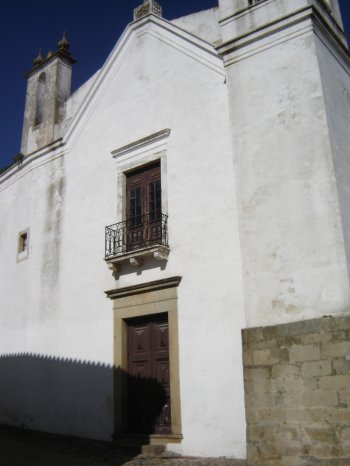
This church stands out the ornamental elements as figurative panels of tiling, one signed by António Pereira, others assigned to this master and Gabriel del Barco. Note also the gilded altarpieces of the chancel.
A pillory formed by an indentation of two square steps, a cylindric main part of the column, composed of two stones and a chapiter from where four arms in the shape of a Greek cross come out.
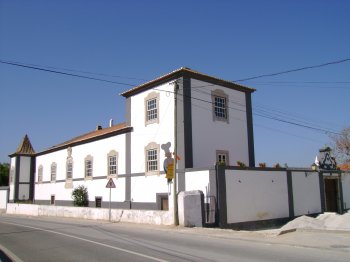
This manor house was built in the century XVI with plan in L and an out chapel. The main chapel has a ribbed vaulted roof and the walls are covered with panel of glazed tiles from the XVIII century.
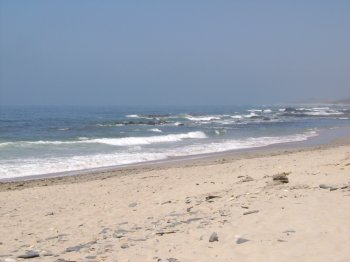
Beach located in the Protected Landscape area of the Esposende Coast. Calm place, where the blue of the sea stands out in contrast to the mountains that surround the beach. It has a first aid station and a library.
Friendly and cosy restaurant, with four rooms of meal, one more exquisite. Proposes delicious delicacies out of hand of Doña Rosa Maria, who uses traditional spices and quality ingredients.
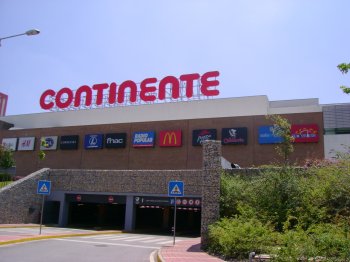
This shopping centre, opened in 2006, has about 146 shops spread out over three floors. It also has five floors of parking, some 30 restaurants and six cinemas.
In the living room of this House decorated in shades of white, stands out the display of fish. Other options to register are the roasted cod, cozido à portuguesa, roast suckling pig and lamb stew.
A space in the Teatro Tivoli that serves meals, as well as refined tea rime meals with a wide variety of teas. The Portuguese cuisine stands out but there are also ethic cuisines, from Timor to Jamaica.
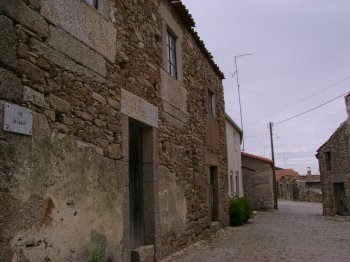
A village located on a plateau at 770 meters above sea level, on the right bank of the Coa River, Freineda was very important during the Napoleonic invasions. In fact, the headquarters of Wellington still exists today in the form of a baroque manor house, built in front of the main church. We suggest you to take a look at the fountains and cruises. Crafts are dominated by Arraiolos rugs, while the cuisine is characterized by roast kid and hare rice.
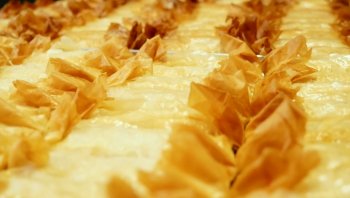
The original recipe for "Pastéis de Tentúgal", once known as puff sticks, belonged to the Convent of Nossa Senhora da Natividade (Carmelo de Tentúgal). Later, after the closure of the Convent, the recipe and secret of making this sweet were taught to Dona Maria da Conceição Faria. Since then, production has grown, maintaining the same characteristics of the original recipe. This delicious pastry is today one of the icons of the old town of Tentúgal.