Explore the best places
Results for see page MAKEMUR.com pay to have my criminal case reduced to a misdemeanor in Portugal


Guest House Álvares Cabral
- hotels
Rua Álvares Cabral, 341
4050-041, Porto
The Alvares Cabral Guest House is located close to the Centre of Porto, a 5-minute walk from the subway station at Trinity (with connection to the airport). It offers free Wi-Fi and a 12:0 am reception. Offers a variety of rooms for different budgets. The rooms have a private bathroom or shared.
Quinta Perestrello Heritage House
- hotels
Rua Doutor Pita, 3
9000-089, Funchal
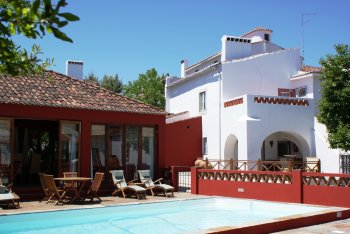
This luxury Inn is placed at Funchal city centre, working since 1998, with an original architecture. The rooms have one of the walls made of glass, giving access to the magnificent gardens. The facilities show refinement and comfort and the service is of great quality. The gardened area displays the sub-tropical plants of the island.
Casa do Terreiro do Poço
- hotels
Largo dos Combatentes da Grande Guerra, 12
7150-152, Borba
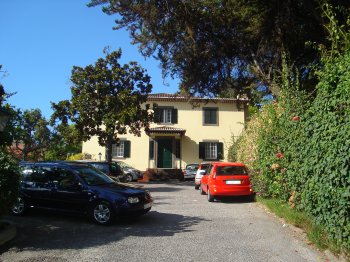
Palatial house composed of three main bodies, joined by stairs and balconies, where the rooms and suites have direct access to the garden. Also has an orchard, vegetable garden, saltwater pool and a Pavilion for events. In the interior, especially the murals and the frescoes. The decor makes the symbiosis between the classic and the contemporary.
Castelo e Muralhas de Celorico da Beira
- heritage
Rua do Castelo
6360-339, Celorico da Beira
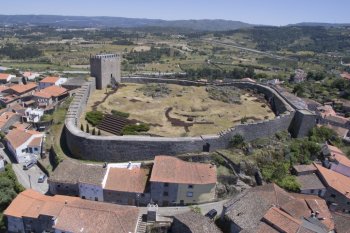
Castle consisting of a wall with two towers and a keep. Located atop a granite outcrop overlooking the village, it dates from the 14th century. Notable features include the straight-arched loopholes, rectangular-faced merlons, and pointed-arch main gates. The walls have an irregular configuration and an exposed parapet.
Casa do Capitão ou dos Lorie-Reais
- heritage
Rua do Marquês, 14
9700, Angra do Heroísmo
Manor house built in 1474 at the behest of João Vaz Corte-Real, Captain-major of Angra do Heroísmo. Keep-if some aspects of primitive Gothic construction, despite having already undergone several renovations. Is inserted in the central zone, an area classified as a world heritage site by UNESCO.
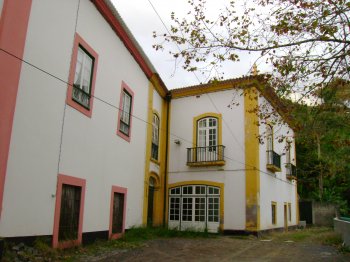
Casa do Juiz do Concelho de Sortelha / Casa do Campanário
- heritage
Rua da Mesquita
6320-536, Sabugal
House with two floors consisting of a quadrangular and with gable roof coverage, probably built in the 16th century or 17th century. Has a building attached, with one floor and trapezoidal plant, which is believed to have worked as kitchen. Currently, this House operates as a unit of Rural tourism, with a bar and a craft shop.

Capela do Santo Cristo
- heritage
Rua do Cemitério
2070-081, Cartaxo
Thought to have been built in the first half of the 17th century. It consists of nave and chancel. Is inserted inside the cemetery. The main façade has light blue trim, between 2 of which is a telescope, and is surmounted by a cross. Remains of the cartaxenses churches with more turnout, given the image of Christ Crucified.
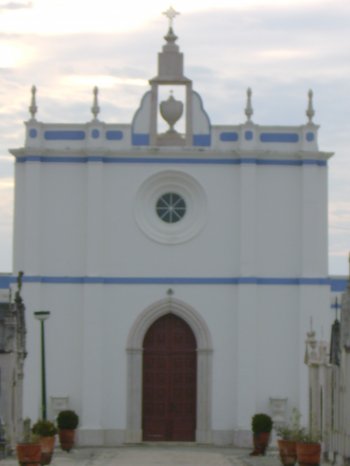
Capela de Santo António / Capela do Calvário
- heritage
Largo Eng. Pinto Bastos, 9
6250-111, Belmonte
Set of two chapels with features of Mannerist and Baroque architecture. It is believed that the Santo Antonio Chapel is the oldest, having been built between the 15th and the 17TH century, and the Calvary Chapel date from the 19th century. The Santo Antonio Chapel are still visible the arms of families Queiroz, George and Cabral.
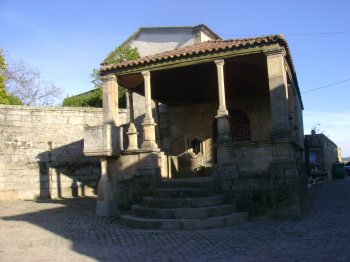
Termas de Vizela
- beach
- leisure
Rua das Termas, 37
4815-416, Caldas de Vizela
Vizela's sulfur waters have been internationally renowned for their beneficial and therapeutic properties since Roman times, and the Balneário de Vizela is the city's main tourist attraction. The current building is a magnificent architectural example, surrounded by gardens that promote relaxation and inspire feelings of tranquility and peace in its visitors.
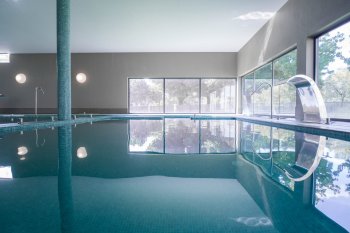
Museu Municipal de Loulé - Pólo Museológico de Salir
- heritage
Largo Pedro Dias
8100-200, Salir
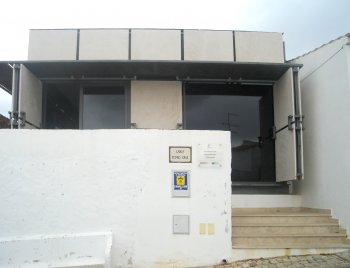
During the excavation which took place along several years by the ruins of the Salir castle, the technicians have found a variety of objects dating back to the moorish period, with much historical interest. It was then decided to build a museum where those objects are exhibited. A project by the architect Mário Varela Gomes.