Explore the best places
Results for see page MAKEMUR.com pay to have my criminal case reduced to a misdemeanor in Portugal


Castelo de Linhares da Beira
- heritage
Rua do Castelo
6360-080, Linhares da Beira
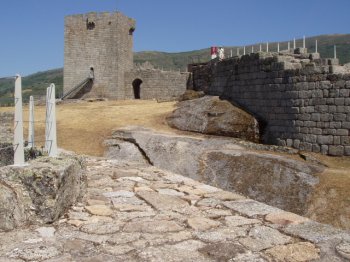
Located on a hill at an altitude of approximately 800 meters, in the foothills of the Serra da Estrela mountain range, this castle is believed to have been a fortified settlement occupied by the Romans and destroyed by the Moors in the 9th century, before being reclaimed by King Dinis. Only the enclosure defined by two towers with several floors remains.
Atelier Túllio Victorino
- heritage
Rua dos Pinheiros
6100-266, Cernache do Bonjardim
Mikdad da Costa Victorino is an Impressionist painter, pupil of Columbano Bordalo Pinheiro, whose works are in several national museums. He died at his home, the March 23, 1969, having the building entered into degradation, being recently reclaimed by the Town Hall of Sertã, which turned him into a cultural space.
Capela da Sagrada Família e Portal da Quinta dos Espregueira
- heritage
Rua Conde d' Aurora
4900-443, Viana do Castelo
Baroque chapel and revivalist, dated 1731, with a longitudinal plan consists of a nave and a rectangular sacristy. Is adossado to this chapel a wall of the farm with a revivalist portal with triple pediment divided by cornices, who is believed to have been built in the 19th century. This portal features an image of Saint Michael fighting the devil and flanked by angels.
Antigo Sanatório dos Ferroviários
- heritage
EN339
6200-324, Covilhã
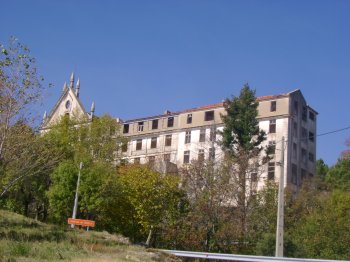
Revival building with an irregular polygonal plant, consisting of two wards and with differentiated covers rooftops of two and four waters. It was opened in 1944, having been completely funded by CP in the 70 was already abandoned, remaining so until 1990, at which point the Enatur purchased the building with the aim to recover and become a Pousada.
Igreja Paroquial de Bilhó / Igreja do Divino Salvador
- heritage
Lugar da Igreja
4880-079, Bilhó
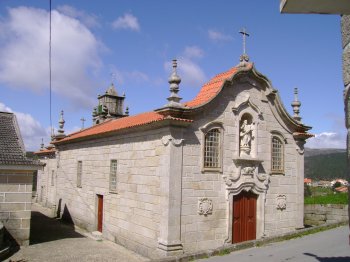
Rococo church with a single nave and chancel with a vestry located near and Bell Tower. Features inside covers in fake wooden barrel vault, with chorus-high wooden pulpits also. The side chapels have date late-Baroque altarpieces of gilt and polychrome straight plant and an axis, and chancel with Rococo altarpiece.
Cruzeiro de Penacova
- heritage
Largo Leão Leite
3360, Penacova
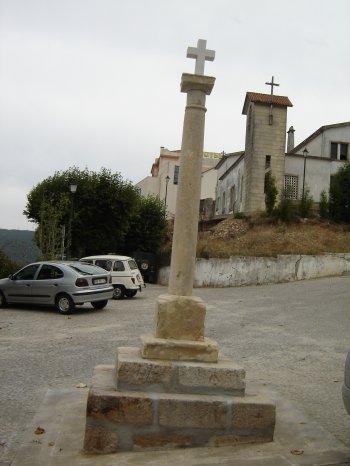
Cross dating from the 17th century, located near the old Castle of Penacova, based on steps of large medieval ashlars with acronyms, from the old castle. The column, in Doric style, is more recent. This cruise has the particularity of having been dismantled between 1950 and 1952. It is not certain that it is from the 16th century.
Mamoa 2 de Pereiro
- heritage
Cambeses do Rio
5470-041, Cambeses do Rio
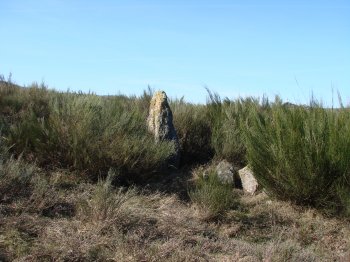
This megalithic monument would integrate the set of at least three tumuli, along with the Tumulus 1 of Pereiro and the Tumulus of Arregada. Features about 8\/10 metres maximum diameter and a slight central depression, not being visible Struts. However, there are a few stones in the surrounding area of walls that may have been mainstays.
Museu e Centro de Dia da Aldeia de João Pires
- heritage
Rua da Fonte, 5
6090-167, Penamacor
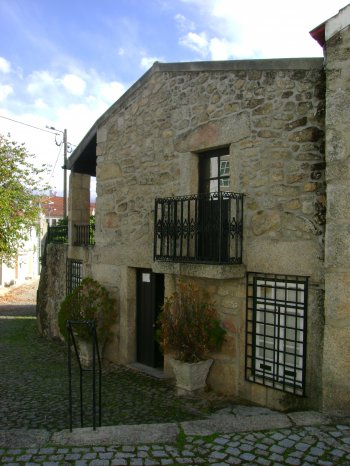
Ancient dwellings typically Portuguese countryside, with inverted L-shaped plant with two floors and a small outbuilding located near. Were built, probably in the 17th century, having been one of the houses in the late 20TH century 80, adapted to Museum. In another House, currently operates a day care center.
Igreja Paroquial de Sampaio / Igreja de Santo André
- heritage
Rua da Escola
5360-160, Vila Flor
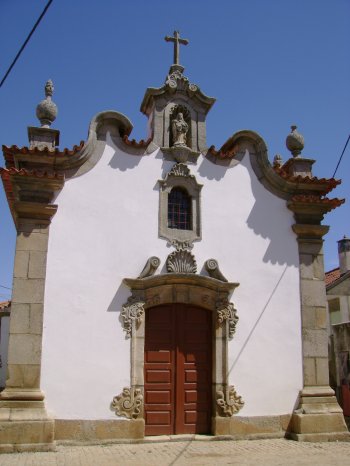
The original construction date, probably from the late Middle Ages, having been rebuilt in the 18th century. Presents a plant consisting of a single nave, a rectangular chancel and a vestry located near. On the frontispiece is a double Bell and a straight Dick portal. In the interior, especially the lateral altarpieces and the main altarpiece of carved polychrome.
Pintura Mural na Capela de Santa Luzia de Larinho
- heritage
Rua da Estação
5160-114, Moncorvo
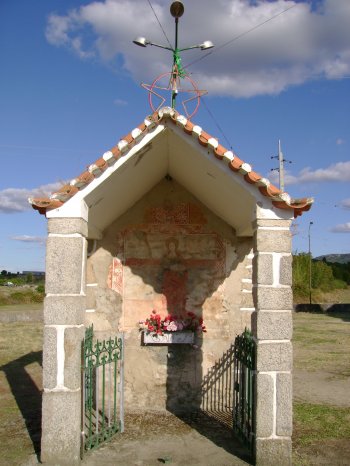
Old chapel of which only have one part of the wall edge of the chancel, where one can find a fresco of the 16th century. This painting, with approximately 1.5 square feet, represents the figure of Santa Luzia, with the Palm, a symbol of martyrdom, in the right hand and a tray with two eyes on her left hand.