Vila Flor
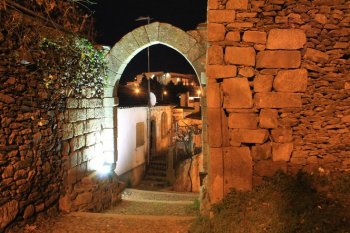
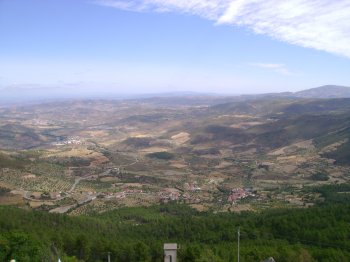
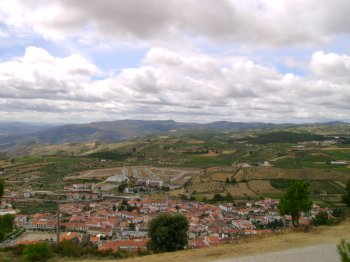
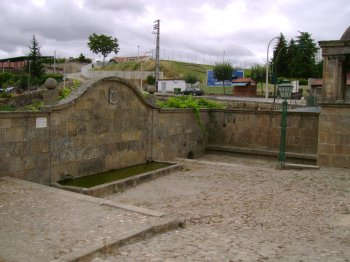
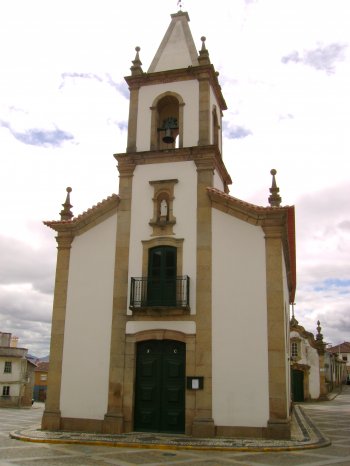
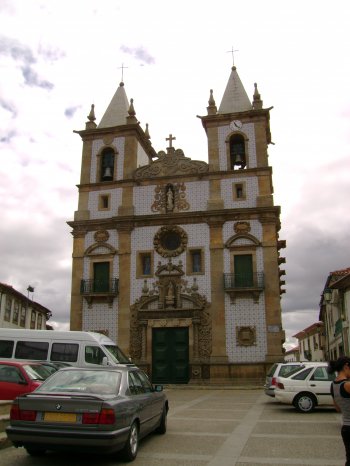
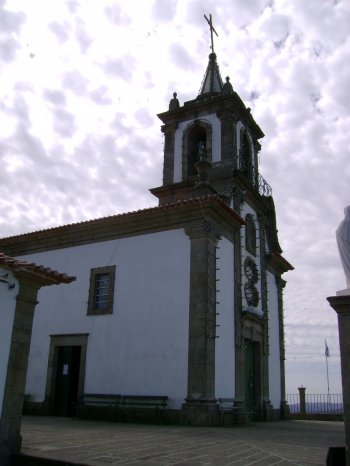
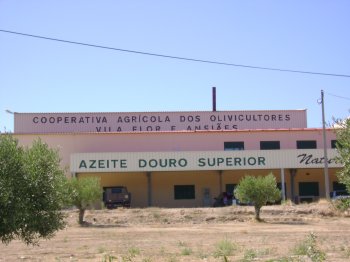
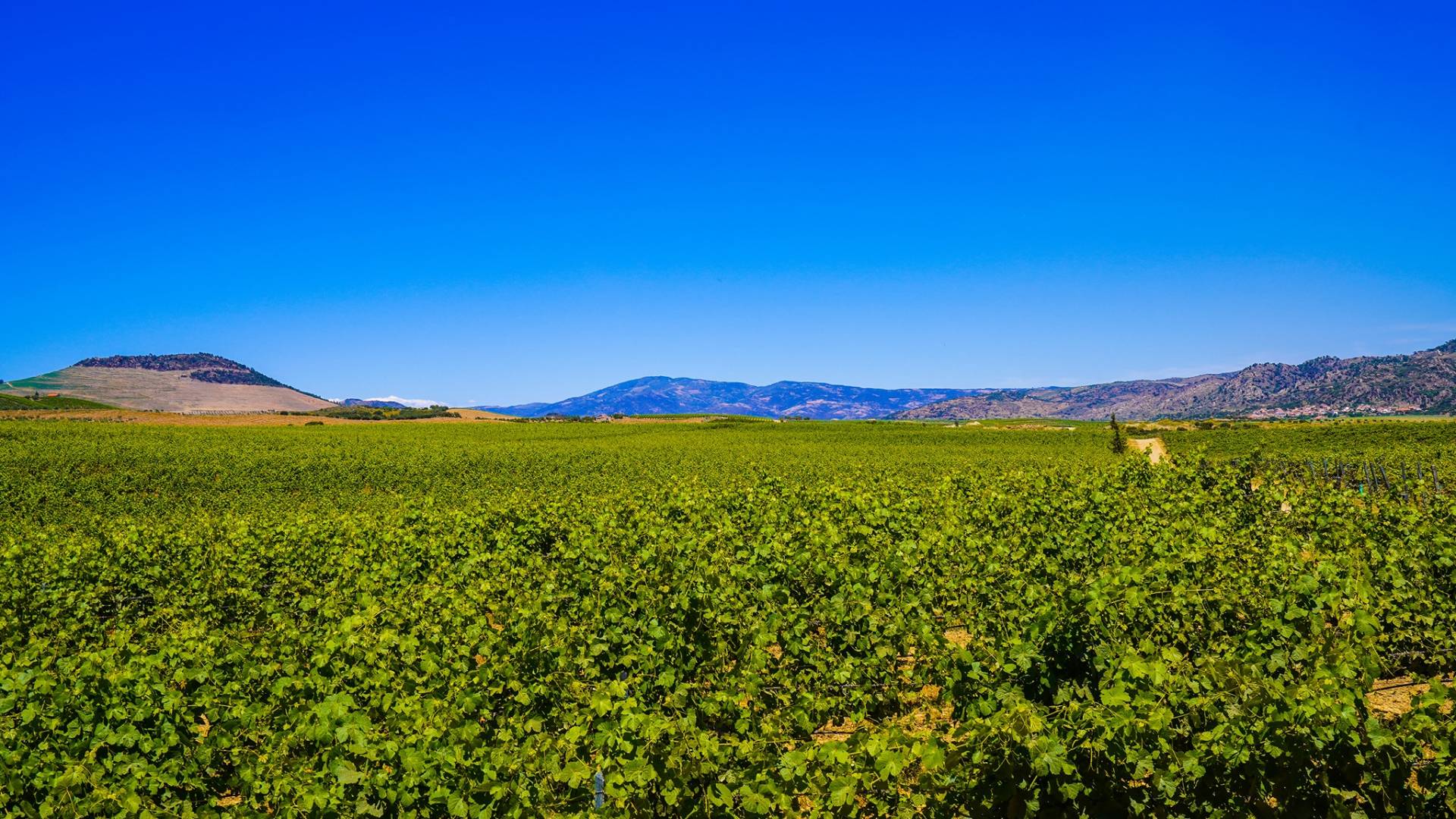
Located more than five hundred meters above sea level, the municipality of Vila Flor boasts a landscape populated by vineyards, olive groves and rocks dotted with small branches of broom, heather and rosemary. The name of the municipality is mentioned for the first time in the Charter of August 24, 1286 granted by Dom Dinis who, at the time of the creation of the town, ordered the construction of a belt of walls with five arched doors, of which only one remains – the South Gate or Arch of King Dinis. In an urban and rural ambivalence, the economy continues to be supported by the primary sector, with emphasis on the production of wine, olive oil, almonds and various fruits. The second pillar of the region's economic activity is based on activities related toconstruction, metalwork, wood processing and furniture.
What to do in Vila Flor





Where to eat in Vila Flor
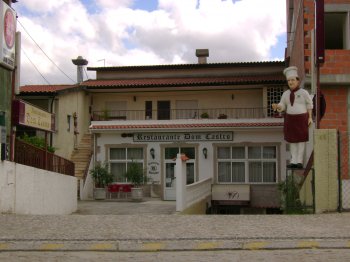
Portuguese
15.00 €
Small and friendly restaurant serving good regional and national cuisine dishes, affordable.
Where to sleep in Vila Flor
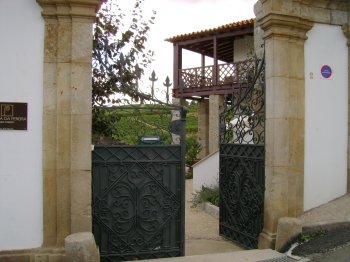
19TH century House, inserted in extensive agricultural property, where still the cherry picking, olives, grapes and almonds. The interior features refined and …
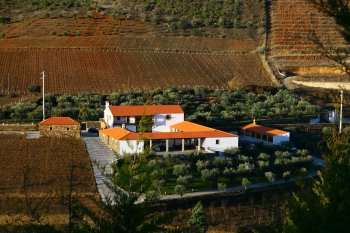
The Valonquinta is located about 1500 meters of Vila Flor, in the municipal road between Vila Flor and Roios. The fifth occupies an area of 20 hectares, compri…
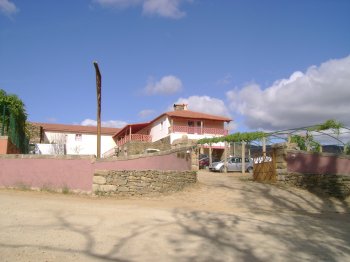
Former coaching inn dating from the 19TH century, entered a fifth crossed by the ribeira de Vilariça. In addition to space for grazing of animals and crops of …
Near Vila Flor
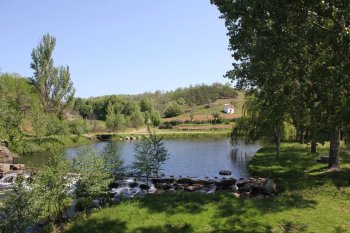
Vimioso
Located in the extreme northeast of Portugal and integrated into the "Terra Fria" (Cold Land) of Trás-os-Montes, Vimioso presents a landscape that a…
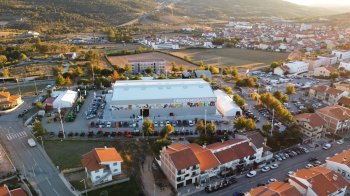
Mogadouro
Nestled between the deep valley of the Douro River and the Sabor River basin, the municipality of Mogadouro occupies the extension of the Planalto Mi…
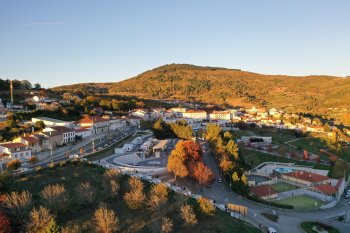
Vinhais
Vinhais belongs to the Trás-os-Montes region and is located in the Douro river basin, being crossed by the Tuela and Rabaçal waters. With a very pron…
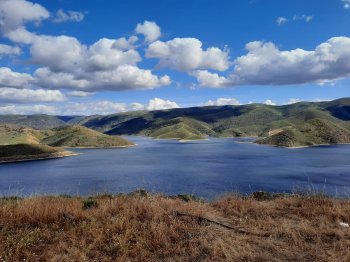
Alfândega da Fé
With the Serra de Bornes to the north, the Sabor River valley to the south, the Castro Vicente plateau to the east, and the Vilariça valley to the we…