Explore the best places
Results for browse main MAKEMUR.com pay someone to make domestic violence case disappear Jerusalem in Portugal


Quinta do Pinhô
- hotels
Rua do Assento
4835-257, Guimarães
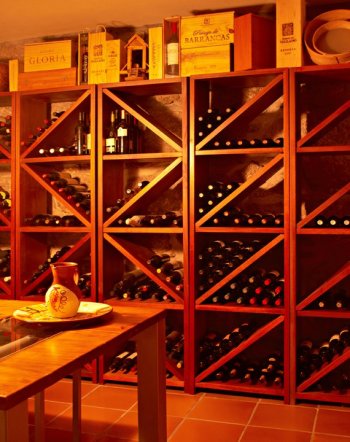
The Rural Tourism accommodation Pinhô farm is a unique place where nature stands out as the main character. The ideal place to relax, socialize and relax and harmony with the vegetation, animals and water mines. Quinta do Pinhô also has a restaurant where you can find a world of flavors.
Castelo de Vila Flor
- heritage
Rua Dom Dinis
5360-377, Vila Flor
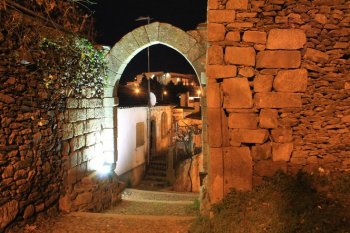
Only the Porta da Vila or Arco de Dom Dinis and a section of the wall remain from this medieval castle. The main door is flanked by a tower flanked by two semicircular defensive towers. The town of Vila Flor was part of a border defense zone against attacks from Castile and León.
Castelo e Muralhas de Celorico da Beira
- heritage
Rua do Castelo
6360-339, Celorico da Beira
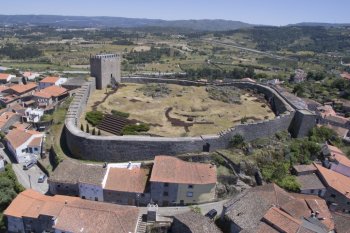
Castle consisting of a wall with two towers and a keep. Located atop a granite outcrop overlooking the village, it dates from the 14th century. Notable features include the straight-arched loopholes, rectangular-faced merlons, and pointed-arch main gates. The walls have an irregular configuration and an exposed parapet.
Convento de Nossa Senhora da Estrela
- heritage
Marvão
7330, Marvão
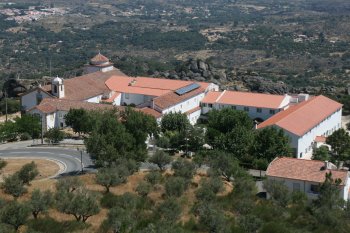
This church features a portico with four undecorated ogival archivolts on its main façade. It is the only Franciscan convent in Marvão. At the top of the portico is a window surmounted by the Franciscan symbol and flanked by Rococo decoration. The cloister still features an ogival section and 17th-century archways. Noteworthy are the 18th-century tilework.
Casa do Arcebispo/ Quinta da Memória
- heritage
Rua Guilherme Gomes Fernandes
2675-372, Odivelas
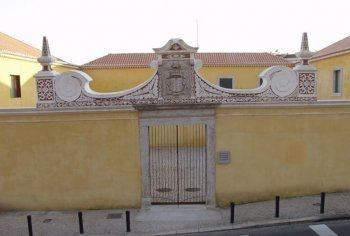
A rectangular, two-story Baroque house, of the ecclesiastical palace type used for recreation. The farm and palace were founded by D. Rodrigo de Moura Teles, a notable figure in the Catholic Church, in the 18th century. Currently, it houses the President's Office, the City Council, the main hall, and the municipal auditorium.
Capela do Santo Cristo
- heritage
Rua do Cemitério
2070-081, Cartaxo
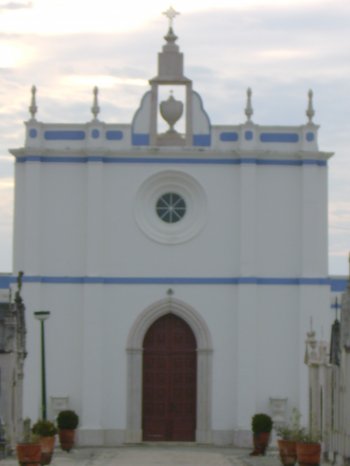
Thought to have been built in the first half of the 17th century. It consists of nave and chancel. Is inserted inside the cemetery. The main façade has light blue trim, between 2 of which is a telescope, and is surmounted by a cross. Remains of the cartaxenses churches with more turnout, given the image of Christ Crucified.
Capela de Nosso Senhor Jesus Cristo dos Aflitos
- heritage
Largo do Senhor dos Aflitos
6320-601, Sabugal
Little chapel of longitudinal plant, composed of a single nave and a narrower chancel, with toppings in fake wooden barrel-vaults. It is believed that it was built in the late 18TH century, about a small niche also dedicated to our Lord Jesus Christ of the afflicted. Featured, inside to the main altarpiece, with baroque features.
Capela de São Lourenço
- heritage
Rua Fornos da Cal
4935-226, Viana do Castelo
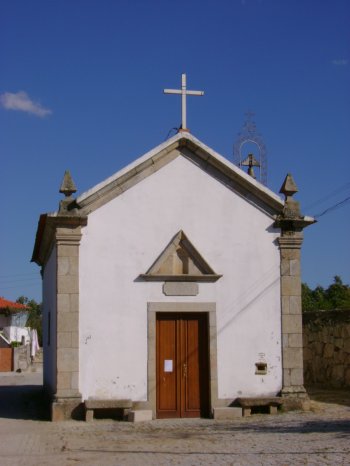
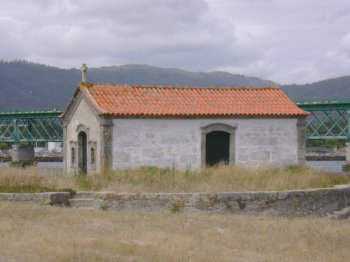
Baroque chapel probably built in the first half of the 16th century and remodelled in the 18th century. Presents a longitudinal plan with a single rectangular body with main façade in gable of frieze and cornice. This Chapel belonged to the former farm of San Lorenzo, where currently there is the Episcopal Palace of Viana do Castelo.
Termas de Vizela
- beach
- leisure
Rua das Termas, 37
4815-416, Caldas de Vizela
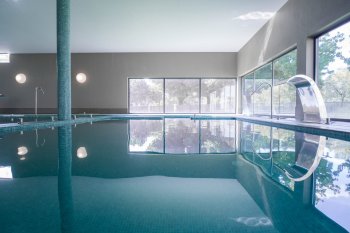
Vizela's sulfur waters have been internationally renowned for their beneficial and therapeutic properties since Roman times, and the Balneário de Vizela is the city's main tourist attraction. The current building is a magnificent architectural example, surrounded by gardens that promote relaxation and inspire feelings of tranquility and peace in its visitors.
Museu da Fundação Cupertino de Miranda
- heritage
Praça Dona Maria II
4760-111, Vila Nova de Famalicão
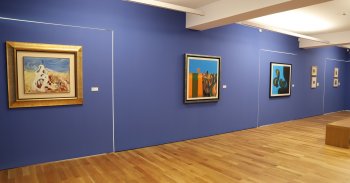
The Museu da Fundação Cupertino de Miranda seeks to publicize the modern and contemporary art, especially surrealism. Has as main objectives the study, documentation, conservation and dissemination of its collection. With an important collection made up essentially by Portuguese artists, reinforces an increasingly representative heritage of Portuguese surrealism.