Explore the best places
Results for PROBLEMGO.com pay bond online get out today St. Gallen in Portugal


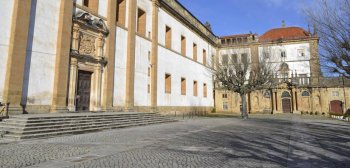
Mosteiro de Santa Clara-a-Nova
- heritage
Calçada de Santa Clara
3040-270, Coimbra
The first stone of this building was laid on July 3, 1649, during the reign of King John IV. The new Monastery was built to house the body of Queen Saint Isabel and the Poor Clare nuns from the original Convent of Santa Clara, which was in an advanced state of disrepair. The church, with a single nave, consists of a choir and a chancel. In the lower choir is the original tomb of Queen Saint Isabel, executed by Master Pero in 1330, a work sculpted from a single block of limestone. On the walls, tiles and altarpieces from the …
Fornos de Lava
- food & drink
Travessa de São Tiago, 46
9800-347, Velas
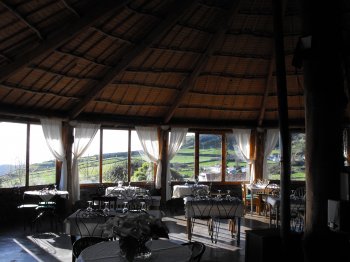
Restaurant with a curious configuration, where stands out the rusticity of the circular room, surrounded by large glazed walls. Beautiful views over the islands of Pico and Faial, accompanying the good home-cooked meal be expected from budget hotel in wood ovens. Open since 2003 by a Galician who fell in love with the island, features several traditional dishes, a mixture of Azorean cuisine with galega. Among the specialties, especially the fish Cataplana, the Parrilhadas, the Limpets, clams of caldeira de Santo Cristo. Complete with avocado mousse. The restaurant is in the hotel project integrated Mills.
JNcQUOI Avenida
- food & drink
Avenida da Liberdade, 182-184
1250-146, Lisboa
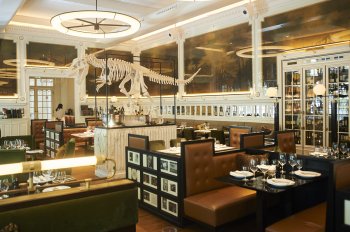
It belongs to the Amorim Luxury group and is spread over two floors: the lower one is bar-style, slightly more informal, the upper one is more formal. If at first glance the environment is frightening due to its exclusivity, over time this feeling dissipates. The comfort of the space is combined with JNcQUOI's good cuisine, run by chef António Boia. Not to be missed, on the menu, the Burrata DOP stands out, with or without Ham, the Sea Bass Ceviche with lime and a handful of the so-called “Classics”, including the Paletilha with oven-baked rice and greens, the Duck Confit …
Theatro Club
- art
Largo António Ferreira Lopes
4830-516, Póvoa de Lanhoso
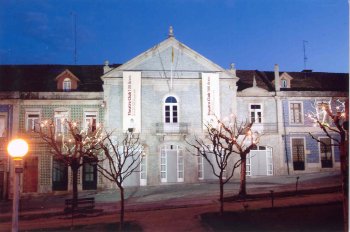
The Theatro Club was commissioned in 1904 by Antonio Lopes, from the architect Moura Coutinho. The architectural style is particularly relevant in Portugal through the decoration of the facades, especially the use of tiles. Inside, the auditorium stands out, profusely decorated with paintings covering the entire ceiling and the wall surrounding the proscenium arch. The Municipal Exhibition Gallery also operates in this building. In addition to individual or thematic exhibitions, it annually hosts an Open Exhibition of Visual Arts in August, aimed at anyone who demonstrates sensitivity or interest in exhibiting their work. It was listed as a Property of …
Repositório Histórico do Vinho dos Mortos
- heritage
Rua de Santo Aleixo, 29
5460-330, Boticas
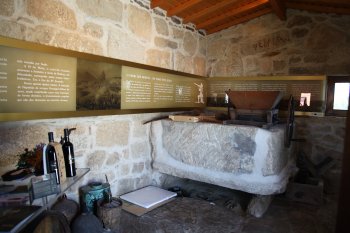
Small museum dedicated to the theme of the "Wine of the dead". Were the French invasions that came cause the appearance of this today is a real ex-libris of Boticas. It was during the second French invasion (1808) and in face of the advance of the troops commanded by General Soult, which in its passage all pillaged, pillaged and destroyed, the population of Boticas, to try to defend its heritage, decided to hide by burying, what was more valuable. The wine was buried in the floor of cellars, on clay, under the cask and mills. Later, after the French were …
Caldas da Saúde
- beach
- leisure
Rua das Termas, 754
4780-068, Santo Tirso
In the heart of Minho are Caldas da Saúde, open all year round, equipped with the most modern technology alongside an interesting exhibition of the equipment used to carry out cures at the beginning of the century. The first references to the waters of Caldas da Saúde date back to the 10th century, however, the first spa truly worthy of the name was built in 1891, with Manuel Joaquim Marques as the concessionaire. Roman objects were found in the expansion works, around 1915, a sign that the Romans were already taking advantage of this natural wealth. These medicinal waters are …

Caria
- country
- heritage
Caria
6250, Belmonte
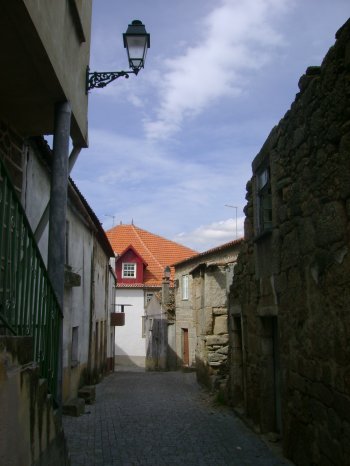
The residence of the Bishops of Guarda, the Casa da Torre (Tower House), with a stronghold and a farm, plays an important role in the medieval history architecture of this place. The historic centre has an impressive set of cultural heritage, namely the primitive houses, from the 15th to the 18th centuries, the Casa da Câmara (Town Hall House), the Casa das Caras (Houses of Faces), the Casa da Roda (House of the Wheel), a baroque church and several palaces, bridges and chapels. A special note to the well preserved Jewish burough as well. On the cultural level, the working …
Messejana
- country
- heritage
Messejana
7600, Messejana
A village of moorish origins (who gave it its name), Messejana includes the Delbas village, the Foros of Escanchados and the Foros of Vale de Água. Its architectural heritage is clearly of the Alentejo region. The pillory (classed as a Public Interest Construction), the mother church, the church of Our Lady of Assunção, the castle's ruins (conquered to the moors by Dom Sancho II) and the Convent of Saint Francisco stand out. The local gastronomy includes the açorda à alentejana and the migas, while trhe craftswork is mostly composed of embroideries. Messajana is also famed as a touristic hunting area …
Hotel do Sado Business & Nature
- hotels
Rua Irene Lisboa, 1
2900-028, Setúbal
Located in Setúbal, only 30 minutes from Lisbon, the Estalagem do Sado is located in the surrounding area of the Natural Park of Serra da Arrábida, where we can find excellent beaches with transparent waters, among which stand out the Portinho da Arrábida and the Setúbal peninsula. Estalagem do Sado is a high quality venture, designed to exceed the needs of who, at work or play, Setubal visit. The five stars of the unit translate five essential words: comfort, quality, professionalism, personalization and excellence. It offers 66 rooms, bar, restaurant, several meeting rooms and private parking.
Castelo de Moura
- heritage
Calçada do Castelo
7860-009, Moura
Located on a limestone elevation, this castle has a keep dating from the time of Dom Dinis, which stands out for its volume. It was after the reconquest from the Moors that King Dinis had the castle completely remodeled, which had housed the Moors for 400 years. Later, King João I ordered the fortress to be expanded, but the War of Succession and the 1755 earthquake contributed to its state of ruin. On the southeast side there is an elbow-shaped entrance portal and a vaulted tunnel. Next to the castle there are ruins of the Convent of the Dominican Nuns …