Explore the best places
Heritage in Portugal


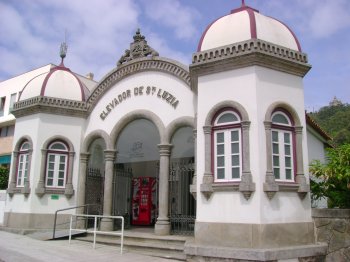
Elevador de Santa Luzia
- heritage
Avenida 25 de Abril
4900-496, Viana do Castelo
It takes between six to seven minutes to climb a 160-meter gap. At 650 meters, it is the longest funicular route in the country.
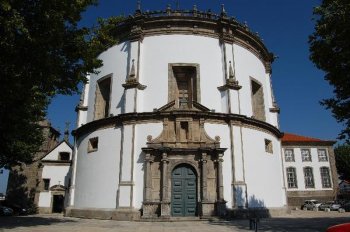
Mosteiro da Serra do Pilar
- heritage
Largo de Aviz
4430-329, Vila Nova de Gaia
Built on an escarpment above the Douro River, Serra do Pilar, and with Porto as a backdrop, the monument is a former convent of the Canons Regular of Santo Agostinho, founded in 1537. This work has undergone a significant number of transformations which completely modified the initial project, presenting a circular shape and being surrounded by a balcony and topped by a light lantern. The interior features 18th century carvings and sculptures and the upper part is of Baroque origin, being considered a unique example in Portugal due to the circular church and cloister.
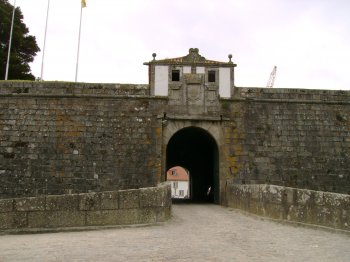
Forte ou Castelo de Santiago da Barra
- heritage
Rua de Santiago da Barra
4900-357, Viana do Castelo
It is believed that this place has been inhabited since prehistoric times, as indicated by numerous findings. The first fortification would date from the reign of Dom Afonso III, although the most likely date is from the 15th century. During the reign of King João II and/or King Manuel I, the medieval castle and the Torre da Roqueta were rebuilt. In 1700 and 1799, during the reign of Philip II, it underwent further repairs and reconstructions. Attesting to these works, a rococo royal coat of arms stands out over one of the main doors.
Elevador do Bom Jesus
- heritage
Estrada de São Pedro (EM 587)
4715, Bom Jesus
This is the first funicular of the Iberian Peninsula, built in 1882 by the Swiss engineer Nikolaus Riggenbach. This lift utilizes the water balance system, being one of only seven existing in Portugal and the oldest in the world. You can take advantage of to climb up to the sanctuary of Bom Jesus in this elevator, avoiding climbing its huge staircase.
Museu dos Transportes e Comunicações
- heritage
Rua Nova da Alfândega - Edifício Alfândega
4050-430, Porto
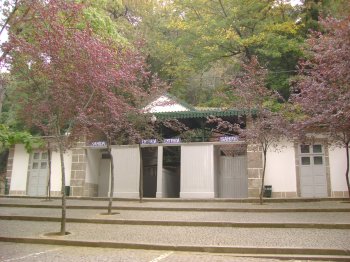
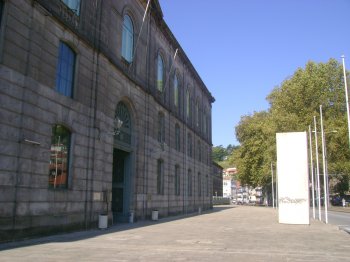
The changes made by the architect Souto Moura at the former Alfândega (customs) building gave the place another aspect. This exhibition aims to allow the public to know, generally, the communication and transports contribute in these days. One of the big attractions of this museum is the permanent exhibition: “O automóvel no espaço e no tempo” (history of the car).
Igreja de Nossa Senhora da Luz
- heritage
Rua Monsenhor José Fialho
2560, A-dos-Cunhados
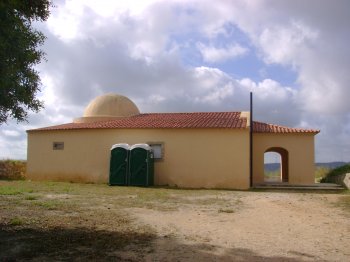
Temple interior with three ships. The body of the Church is covered with a tiled Ashlar seventeenth century carpet type. In a chapel and in the sacristy there are tiles from the 17th century.
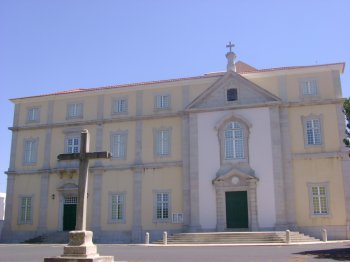
Igreja de São João Baptista
- heritage
Largo 25 de Abril
2565-735, Runa
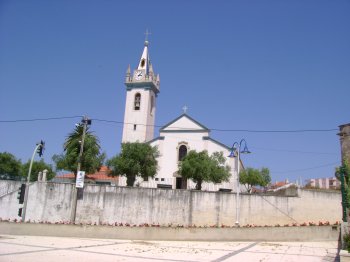
The chancel is lined with 18th-century tiles illustrating scenes from the life of St. John the Baptist. Has an 18th century altarpiece and preserves 1468 panels and some ancient carvings.
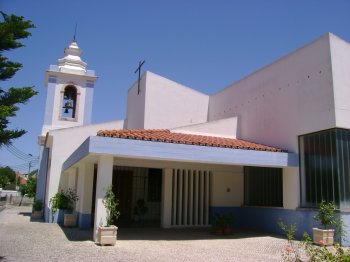
Capela da Nossa Senhora da Purificação
- heritage
Rua Nossa Senhora da Purificação
2565-195, Sirol
Chapel built in the 18th century, which presents, in its interior, a set of stucco work lining the walls and the vault. The ashlars of tiles of the late 18th century and an image of the Virgin with child.